Damage Restoration: A Complete Guide to Property Recovery
Property damage can happen unexpectedly and disrupt daily life for homeowners and business owners. A burst pipe, house fire, severe storm, or unexpected flood can damage walls, flooring, furniture, and essential building systems.
In these situations, damage restoration helps address the immediate problems, repair affected materials, and return a property to a usable condition.
Understanding the restoration process makes it easier to take the right steps after an emergency. Whether the damage affects a single room or an entire building, a structured approach can help protect the property and reduce the risk of additional problems.
What Is Damage Restoration?
Damage restoration is the process of assessing, cleaning, repairing, and rebuilding a property after an incident causes physical damage. The work depends on the type of incident, the condition of the building, and the materials affected.
Some restoration projects involve removing standing water and drying damp areas. Others require cleaning smoke residue, removing damaged materials, addressing mold growth, or repairing sections of a roof or wall. More extensive projects may include reconstruction after a fire or major storm.
The main goal is to address the source of the damage where possible, identify affected areas, and restore the property safely. Every situation is different, so the restoration plan should reflect the property's actual needs rather than follow a single approach for every incident.
Common Types of Property Damage
Water Damage
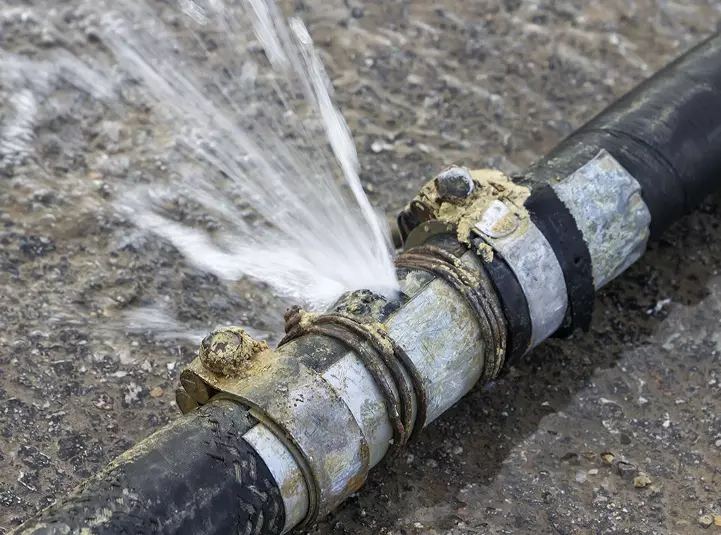
Water damage can result from leaking pipes, broken appliances, overflowing fixtures, roof leaks, or flooding. Water may spread beneath flooring, soak drywall, and enter enclosed spaces where it is difficult to see.
Professional water damage restoration typically includes water extraction, moisture assessment, structural drying, and cleaning.
Damaged materials may need to be removed if they cannot be properly dried or restored. Addressing water intrusion promptly can help limit deterioration and reduce conditions that encourage mold growth.
Fire and Smoke Damage
A fire can affect much more than the area directly exposed to flames. Smoke and soot may travel through hallways, ventilation systems, and adjoining rooms, leaving residue and persistent odors. Water used to extinguish the fire can also damage floors, walls, and personal belongings.
Fire damage restoration may involve inspecting the building, securing damaged openings, removing debris, cleaning soot, treating smoke odors, and repairing affected structures. Before entering a fire-damaged building, wait until the appropriate authorities confirm that it is safe.
Storm and Flood Damage
Strong winds, heavy rainfall, fallen trees, and flooding can damage roofs, windows, siding, foundations, and interior spaces. Even after a storm passes, exposed areas may allow additional water to enter the building.
Storm damage restoration focuses on assessing the affected areas, protecting the property from further exposure, removing water when necessary, and arranging suitable repairs. Temporary measures, such as covering a damaged roof, may help protect the building until permanent repairs can be completed.
Mold and Moisture Problems
Mold can develop when moisture remains in building materials or indoor spaces. Leaks, flooding, condensation, and inadequate ventilation can all contribute to persistent dampness.
Mold-related restoration begins with identifying and addressing the moisture source. Depending on the situation, work may include moisture control, removal of affected materials, cleaning, and repairs. Larger areas of mold or suspected contamination inside concealed spaces may require professional assessment.
The Damage Restoration Process
Although every project has different requirements, most restoration work follows a series of important stages.
Inspection and Damage Assessment
The first step is to understand what happened and how extensively the property has been affected. A restoration professional may inspect visible damage, identify areas that need further investigation, and evaluate potential safety concerns.
The assessment helps determine which materials can be restored and which may require replacement. It also provides a basis for developing a practical work plan and estimating the repairs involved.
Preventing Further Damage
Before extensive cleanup begins, the source of the problem should be controlled whenever possible. This might involve arranging plumbing repairs, protecting an exposed roof, or addressing an ongoing water leak.
Safety is particularly important during this stage. Floodwater may contain contaminants, while damaged electrical systems and fire-weakened structures can create serious hazards. Avoid entering unsafe areas or attempting repairs that require specialized training.
Cleanup and Removal
Once the situation has been assessed, the appropriate cleanup work can begin. Depending on the damage, this may include water extraction, debris removal, soot cleaning, or the removal of materials that cannot be safely restored.
The methods used should match the type of damage and the condition of the affected materials. For example, contaminated floodwater requires different handling from a small leak involving a clean water supply.
Drying and Treatment
Moisture can remain hidden inside walls, floors, insulation, and other building materials after visible water has been removed. Drying equipment and moisture monitoring may therefore be necessary to determine whether affected areas have reached suitable conditions for repairs.
Where appropriate, restoration professionals may also clean affected surfaces, address odors, and treat materials according to the source and extent of contamination.
Read: The Importance of Fast Response in Water Damage Emergencies
Repairs and Reconstruction
The final stage focuses on restoring the damaged parts of the property. Repairs may include replacing drywall, installing new flooring, repainting surfaces, repairing roofing, or rebuilding damaged sections of a structure.
The amount of reconstruction required depends on the severity of the damage. A small leak may need limited repairs, while a major fire or flood can require a more extensive project.
Why Professional Restoration Matters
Restoring a damaged property involves more than making visible problems disappear. Moisture may remain hidden, smoke residue can affect multiple rooms, and damaged structures may require careful evaluation before repairs begin.
Professional restoration services can provide suitable equipment, systematic inspections, and specialized cleanup methods. Experienced teams can also help property owners understand the work involved and coordinate restoration with repair contractors when necessary.
When choosing a provider, review its relevant experience, proposed work plan, communication practices, and written estimate. Ask which services are included and whether additional repairs may be needed after the initial cleanup.
How to Prepare for a Restoration Project
After discovering property damage, prioritize safety and stop the source of the problem if it is safe to do so.
Photograph visible damage before cleanup when possible, and keep records of relevant expenses. Contact your insurance provider promptly if you plan to submit a claim, since coverage and documentation requirements vary by policy.
Avoid discarding potentially important damaged items before documenting them or checking with your insurer. Do not operate electrical equipment in wet areas or enter a building that may be structurally unsafe.
Taking these precautions can help you make informed decisions and keep the restoration process organized.
Conclusion
Damage restoration helps homeowners and businesses recover from water intrusion, fires, storms, mold-related moisture problems, and other forms of property damage.
Through careful assessment, appropriate cleanup, drying, and repairs, restoration work addresses both visible damage and underlying issues that could cause further problems.
Responding promptly, prioritizing safety, and choosing qualified professionals can make the recovery process more manageable. With a suitable restoration plan, property owners can work toward restoring their buildings and protecting them against future damage.