How to Prevent Recurring Drain Clogs in Your Dallas Home
Recurring drain clogs can be frustrating for homeowners. You may clear a sink or shower drain today, only to find the same problem returning a few days or weeks later.
While an occasional clog can happen in any home, frequent blockages often indicate that something inside the plumbing system needs attention.
A recurring clog should not simply be treated as a temporary inconvenience. Repeated blockages can be caused by grease, hair, soap buildup, foreign objects, mineral deposits, tree roots, or problems deeper inside the drainage system.
Understanding the cause and changing a few everyday habits can help keep your drains flowing properly.
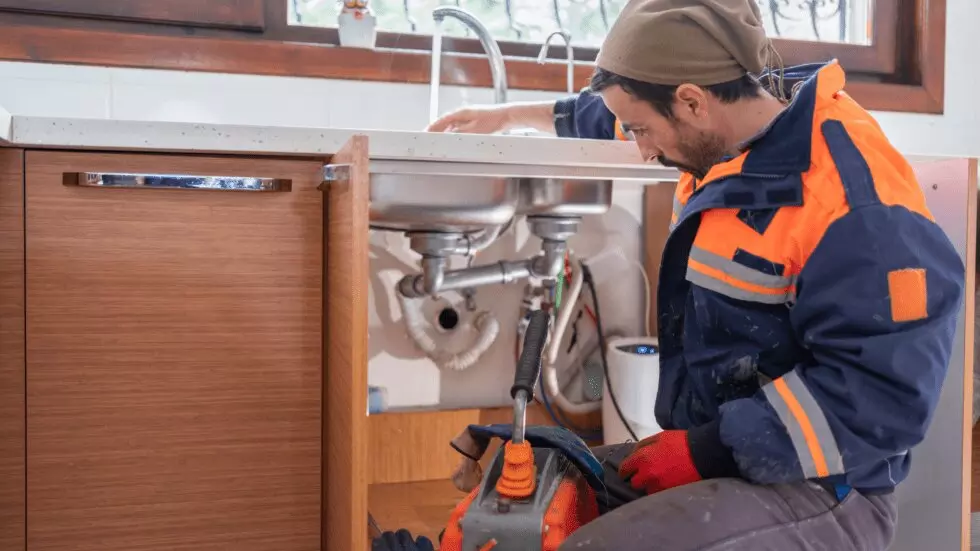
For homeowners dealing with repeated blockages, professional Dallas Drain Cleaning can help identify buildup and other drainage issues that may be difficult to address with basic DIY methods.
Why Do Drain Clogs Keep Coming Back?
A drain may continue to clog when the original problem has not been completely removed. For example, a plunger may restore water flow temporarily, but some debris can remain inside the pipe.
Over time, additional material sticks to the remaining buildup, making the opening smaller again.
Common reasons for recurring drain clogs include:
- Hair collecting inside bathroom drains
- Grease and oil sticking to kitchen pipes
- Food particles entering the drain
- Soap residue building up over time
- Mineral deposits reducing pipe space
- Foreign objects becoming trapped
- Tree roots entering underground pipes
- Damaged or aging drainage pipes
- Improper use of toilets and sinks
- Inadequate or infrequent drain maintenance
Finding the cause is an important part of preventing the same problem from happening again.
1. Keep Hair Out of Bathroom Drains
Hair is one of the most common materials responsible for bathroom drain blockages.
When hair enters a shower or bathtub drain, it can become trapped inside the pipe. Soap and other materials can attach to the hair, eventually creating a larger mass.
A simple drain screen can help prevent much of this material from entering the plumbing.
Helpful bathroom habits include:
- Install a drain screen.
- Remove collected hair regularly.
- Clean the drain cover frequently.
- Do not push hair deeper into the pipe.
- Pay attention to changes in drainage speed.
These small steps can reduce the amount of debris entering your bathroom plumbing.
2. Never Pour Grease Down the Kitchen Drain
Kitchen drains can develop recurring problems because of grease and cooking oil.
Liquid grease may appear harmless when it is hot, but it can cool and stick to the inside of the plumbing. Food particles can then attach to the greasy surface.
Over time, this buildup can restrict water flow.
Instead of pouring grease down the sink, allow it to cool and dispose of it appropriately.
This is one of the simplest ways to reduce the risk of recurring kitchen drain problems.
3. Use a Sink Strainer
A sink strainer can prevent larger food particles and debris from entering your plumbing.
This is especially useful in kitchen sinks.
A strainer can catch:
- Food scraps
- Vegetable pieces
- Coffee grounds
- Small debris
- Other solid particles
Empty the strainer regularly rather than washing the collected material down the drain.
Remember that even small particles can contribute to buildup when they repeatedly enter the plumbing.
Read: How to Prevent Clogged Drains in Fort Worth Homes (Expert Tips)
4. Be Careful About What You Flush
Toilets are designed for specific materials. Flushing unsuitable items can contribute to blockages and drainage problems.
Avoid flushing items such as:
- Paper towels
- Baby wipes
- Cleaning wipes
- Cotton products
- Hygiene products
- Large amounts of tissue
- Other non-flushable materials
Even products marketed as "flushable" may contribute to plumbing problems depending on the plumbing system and how much is used.
When in doubt, dispose of an item in the trash rather than flushing it.
5. Do Not Ignore Slow Drains
A slow drain is often an early warning sign.
If water takes longer than usual to leave your sink, shower, or bathtub, there may already be buildup inside the pipe.
Ignoring the problem allows more material to collect.
Eventually, a slow drain can become completely blocked.
Watch for signs such as:
- Water pooling around your feet during a shower
- A bathroom sink taking longer to empty
- Water remaining in the bathtub
- A kitchen sink draining slowly
- Gurgling sounds
- Unpleasant odors
Responding early can be easier than dealing with a complete blockage later.
6. Avoid Repeated Use of Chemical Drain Cleaners
Chemical drain cleaners may seem convenient, but they are not always the best solution for recurring clogs.
A chemical product may temporarily improve water flow without removing all of the material causing the blockage.
Repeated use may also create additional concerns for certain plumbing systems.
If a drain repeatedly becomes blocked after chemical treatment, the underlying cause may need professional evaluation.
Instead of repeatedly treating the symptom, focus on determining why the blockage keeps returning.
7. Keep Food Waste Out of the Drain
Even if your kitchen has a garbage disposal, not every type of food waste should enter the plumbing.
Large quantities of food can create problems when they collect inside pipes.
Be particularly careful with materials that can expand, become sticky, or form dense particles.
Examples include:
- Coffee grounds
- Large amounts of rice
- Pasta
- Grease
- Cooking oil
- Fibrous vegetable material
- Eggshell pieces
Use a trash or composting method where appropriate instead of relying entirely on the kitchen drain.
8. Clean Drain Openings Regularly
Regular cleaning of drain openings can help prevent debris from building up near the surface.
For bathroom drains, remove visible hair and soap residue.
For kitchen sinks, clean the strainer and surrounding drain area.
This does not replace professional cleaning when there is a deep blockage, but it can help reduce everyday buildup.
A few minutes of routine cleaning may prevent a larger amount of debris from entering the plumbing.
9. Watch for Multiple Slow Drains
If one drain is slow, the problem may be close to that fixture.
But when multiple drains begin slowing down, the situation may be different.
For example, you might notice:
- A slow kitchen sink
- A slow bathroom sink
- A bathtub draining slowly
- A shower draining slowly
- Toilet drainage problems
When several fixtures are affected, there may be an issue with a shared drainage line.
In some situations, recurring problems can involve the main sewer line.
This is a good reason to have a professional evaluate the system rather than repeatedly treating individual drains.
10. Pay Attention to Unusual Plumbing Sounds
Your plumbing can sometimes provide warning signs before a major blockage occurs.
Gurgling sounds from drains or toilets may indicate that water and air are not moving normally through the pipes.
You may also notice:
- Bubbling sounds
- Gurgling after flushing
- Unusual noises when using a sink
- Water movement in another drain when a fixture is used
These symptoms do not always mean there is a serious problem, but recurring sounds should not be ignored.
11. Watch for Sewage Odors
A persistent sewage smell coming from a drain can indicate a drainage problem.
Organic material can collect inside a partially blocked pipe and produce unpleasant odors.
However, sewage odors may also indicate problems with traps, vents, or sewer connections.
If cleaning the visible drain opening does not solve the odor, consider having the plumbing system inspected.
12. Consider the Effects of Tree Roots
Outdoor drainage pipes can sometimes be affected by tree roots.
Roots naturally seek water and may enter small cracks or weak joints in underground pipes. Once inside, they can grow and restrict water flow.
Tree root problems may cause:
- Recurring clogs
- Slow drains
- Multiple drainage problems
- Sewer backups
- Unusual plumbing noises
If the same blockage keeps returning despite cleaning, tree root intrusion may be one possible cause.
Professional inspection can help determine whether roots are affecting an underground pipe.
13. Maintain Your Drainage System
Preventive maintenance can help identify problems before they become major blockages.
A professional may inspect problem areas and determine whether there is:
- Heavy buildup
- Pipe damage
- Root intrusion
- Recurring blockage
- Poor drainage
- Other plumbing concerns
Homes with frequent clogs may benefit from a maintenance schedule based on the condition and age of the plumbing system.
There is no single maintenance schedule that works for every home. The right approach depends on your plumbing system, household habits, and history of drainage problems.
14. Understand When Professional Cleaning Is Needed
DIY methods can be useful for minor problems, but recurring clogs often deserve professional attention.
Consider professional service when:
- The same drain repeatedly becomes blocked.
- Multiple drains are affected.
- A plunger does not resolve the problem.
- The blockage returns quickly.
- There is wastewater backup.
- You notice sewage odors.
- A floor drain starts backing up.
- You suspect tree roots.
- You suspect damaged pipes.
A professional can use specialized tools to locate and remove certain types of buildup and investigate deeper drainage problems.
What Professional Drain Cleaning Can Do
Professional drain cleaning may involve different techniques depending on the blockage.
Drain Snaking
A drain auger can help break through or remove certain blockages inside a pipe.
Hydro Jetting
Hydro jetting uses high-pressure water to clean appropriate plumbing lines and remove certain types of buildup.
Camera Inspection
A plumbing camera can help identify problems inside pipes.
A camera inspection may reveal:
- Tree roots
- Cracks
- Heavy buildup
- Foreign objects
- Pipe separation
- Structural damage
The best method depends on the condition of the plumbing and the location of the blockage.
How Dallas Homeowners Can Build Better Drain Habits
Preventing recurring clogs is mostly about developing good daily habits.
Kitchen
- Keep grease out of the drain.
- Use a sink strainer.
- Dispose of food waste properly.
- Avoid putting large amounts of food into the plumbing.
- Clean the sink and strainer regularly.
Bathroom
- Install hair-catching screens.
- Remove hair from drains frequently.
- Do not flush unsuitable products.
- Clean drain openings.
- Respond to slow drainage quickly.
Whole Home
- Pay attention to unusual plumbing sounds.
- Do not ignore recurring clogs.
- Watch for sewage odors.
- Monitor multiple drains.
- Address drainage problems early.
What to Do When a Drain Starts Backing Up
If a drain suddenly backs up, stop adding water to the affected plumbing system.
For example, if a bathtub is backing up, avoid taking another shower. If a toilet is overflowing, do not flush it again.
If several drains are affected, reduce water use throughout the home.
You should also keep children and pets away from contaminated water and avoid unnecessary contact with wastewater.
If the backup is severe or keeps returning, professional help may be necessary.
Final Thoughts
Recurring drain clogs are more than an inconvenience. They can indicate that material is continuously building up inside the plumbing or that there is a deeper problem with the drainage system.
Homeowners can reduce the risk of recurring clogs by keeping hair, grease, food waste, and unsuitable materials out of their drains. Drain screens, sink strainers, regular cleaning, and early attention to slow drainage can all make a difference.
However, repeated blockages should not be treated as normal. If the same drain keeps failing, multiple fixtures become slow, wastewater backs up, or unusual odors and sounds appear, professional inspection can help determine the underlying cause.