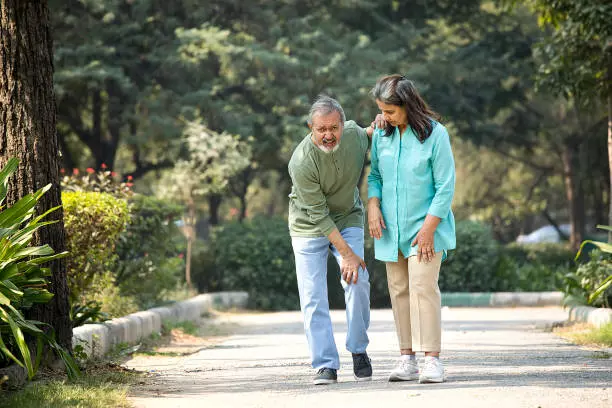
Daily Habits That Help Improve Mobility and Ease Knee Discomfort
Healthy movement plays an important role in maintaining overall well-being and independence. Everyday activities such as walking, climbing stairs, standing for extended periods, or participating in recreational activities all rely on good joint function.
When flexibility decreases or discomfort becomes more noticeable, even simple daily tasks may begin to feel challenging. Developing consistent habits that support joint health can make a meaningful difference over time.
Many people experience movement restriction due to factors such as muscle tightness, reduced flexibility, overuse, or prolonged inactivity. While the underlying causes may vary, adopting healthy lifestyle practices can help improve comfort, support mobility, and encourage better movement patterns.
Understanding Mobility Challenges
Mobility refers to the body's ability to move comfortably through its natural range of motion. Healthy muscles, joints, ligaments, and connective tissues all work together to support smooth movement. When one or more of these structures become stiff or irritated, movement may feel less comfortable.
Common signs of reduced mobility may include:
- Joint stiffness after periods of rest
- Difficulty bending or straightening the knee
- Reduced flexibility during daily activities
- Mild discomfort after prolonged standing or walking
- Feeling less confident while moving
These symptoms can gradually affect daily routines if left unaddressed. Fortunately, many simple lifestyle habits may help maintain healthy joint function.
Build a Consistent Daily Movement Routine
One of the most effective ways to support healthy joints is by staying active. Gentle, consistent movement helps maintain flexibility, encourages circulation, and keeps muscles engaged.
Activities that may support mobility include:
- Short daily walks
- Gentle stretching
- Light cycling
- Swimming or water-based exercises
- Controlled bodyweight exercises
The goal is not intense exercise but regular movement that keeps the joints active without placing unnecessary strain on them.
Stretch to Improve Flexibility
Stretching helps reduce muscle tightness and promotes a healthier range of motion. Tight muscles surrounding the knee can influence how the joint moves, making flexibility an important part of overall mobility.
A balanced stretching routine may include:
- Hamstring stretches
- Quadriceps stretches
- Calf stretches
- Hip flexor stretches
- Gentle ankle mobility exercises
Performing stretches slowly and consistently can help improve flexibility over time while supporting comfortable movement throughout the day.
Strengthen Supporting Muscles
Strong muscles provide better support for the joints during daily activities. Improving muscle strength around the hips, thighs, and lower legs helps distribute physical demands more evenly during movement.
Simple strengthening exercises may include:
- Straight leg raises
- Mini squats
- Step-ups
- Glute bridges
- Seated leg extensions
These exercises should be performed with proper technique and within a comfortable range of motion.
Maintain Good Posture Throughout the Day
Posture influences how weight is distributed across the body. Poor alignment can place unnecessary stress on joints and surrounding muscles.
Helpful posture habits include:
- Standing with balanced body weight
- Sitting with proper back support
- Avoiding prolonged slouching
- Keeping both feet flat on the floor while seated
- Changing positions regularly
Small adjustments throughout the day may reduce unnecessary stress on the knees and improve overall movement efficiency.
Avoid Long Periods of Inactivity
Remaining in one position for extended periods may contribute to stiffness and reduced flexibility. Whether working at a desk or relaxing at home, regular movement breaks are beneficial.
Simple habits include:
- Standing every hour
- Walking for a few minutes
- Performing gentle stretches
- Rotating the ankles and knees while seated
- Taking short movement breaks during work
These small actions help keep joints active and encourage healthy circulation.
Pay Attention to Comfortable Footwear
Supportive footwear can influence walking mechanics and reduce unnecessary pressure on the lower body. Shoes that provide stability and cushioning may contribute to better comfort during daily activities.
When selecting footwear, consider:
- Proper fit
- Good arch support
- Cushioned soles
- Stable heel support
- Non-slip outsoles
Replacing worn-out shoes when needed can also help maintain proper alignment.
Support Joint Health with Healthy Lifestyle Choices
Overall wellness contributes significantly to mobility. Healthy daily habits help support muscles, joints, and connective tissues.
Consider focusing on:
- Balanced nutrition
- Adequate hydration
- Consistent sleep
- Maintaining a healthy body weight
- Managing everyday stress
These lifestyle choices work together to support long-term physical function and overall well-being.
Read: Physiotherapy in Markham: Empowering Movement and Lasting
When Additional Support May Be Helpful
Some individuals continue to experience stiffness or discomfort despite making healthy lifestyle changes. In such situations, seeking professional guidance can help identify the most appropriate management approach.
People searching for knee pain relief kl often look for personalized care that focuses on improving movement, restoring function, and supporting long-term joint health through conservative treatment strategies. Early assessment may help determine suitable options based on individual needs.
Likewise, if movement restriction begins affecting routine activities or limits participation in work, exercise, or hobbies, professional evaluation can guide on improving mobility safely and effectively.
Lifestyle Habits That Complement Recovery
Building sustainable habits often produces better long-term results than relying on occasional efforts. Consider incorporating these simple practices into your daily routine:
- Begin each morning with light stretching.
- Stay physically active throughout the day.
- Warm up before exercise.
- Cool down after physical activity.
- Avoid sudden increases in activity levels.
- Practice proper lifting techniques.
- Listen to your body's signals.
- Allow adequate time for rest and recovery.
Individuals exploring knee pain relief kl frequently benefit from combining healthy daily routines with professional advice tailored to their personal goals and activity levels.
The Importance of Consistency
Improving mobility rarely happens overnight. Small, consistent actions performed every day often provide greater long-term benefits than occasional intensive efforts.
Rather than focusing on perfection, aim to develop routines that become part of everyday life. Regular movement, balanced exercise, stretching, and mindful body mechanics all contribute to maintaining healthy joints and supporting comfortable movement over time.
Everyone's experience is different, so progress may occur gradually. Remaining patient and consistent with healthy habits often leads to lasting improvements in physical function and confidence during daily activities.
Conclusion
Healthy mobility is supported by a combination of regular physical activity, flexibility exercises, muscle strengthening, good posture, supportive footwear, and balanced lifestyle habits. Paying attention to how the body moves during everyday activities can help promote comfort and improve overall function over time.
Developing sustainable routines and seeking appropriate guidance when needed can encourage long-term joint health and help individuals remain active, independent, and confident in their daily lives.