Daffah Thobe: Modern Arabic Fashion Trends Explained
Fashion is always moving forward, yet some garments manage to stay rooted in tradition while still feeling fresh. The daffah thobe is a perfect example of this balance.
It brings together the elegance of old-world tailoring with the practical needs of modern life. Men who wear it often describe it as an outfit that feels both dignified and easy to live in.
In this article, we will explore what makes the daffah thobe special, why it fits so well into the world of traditional islamic garb, and why it continues to gain fans across different regions and age groups.
What Is a Daffah Thobe?
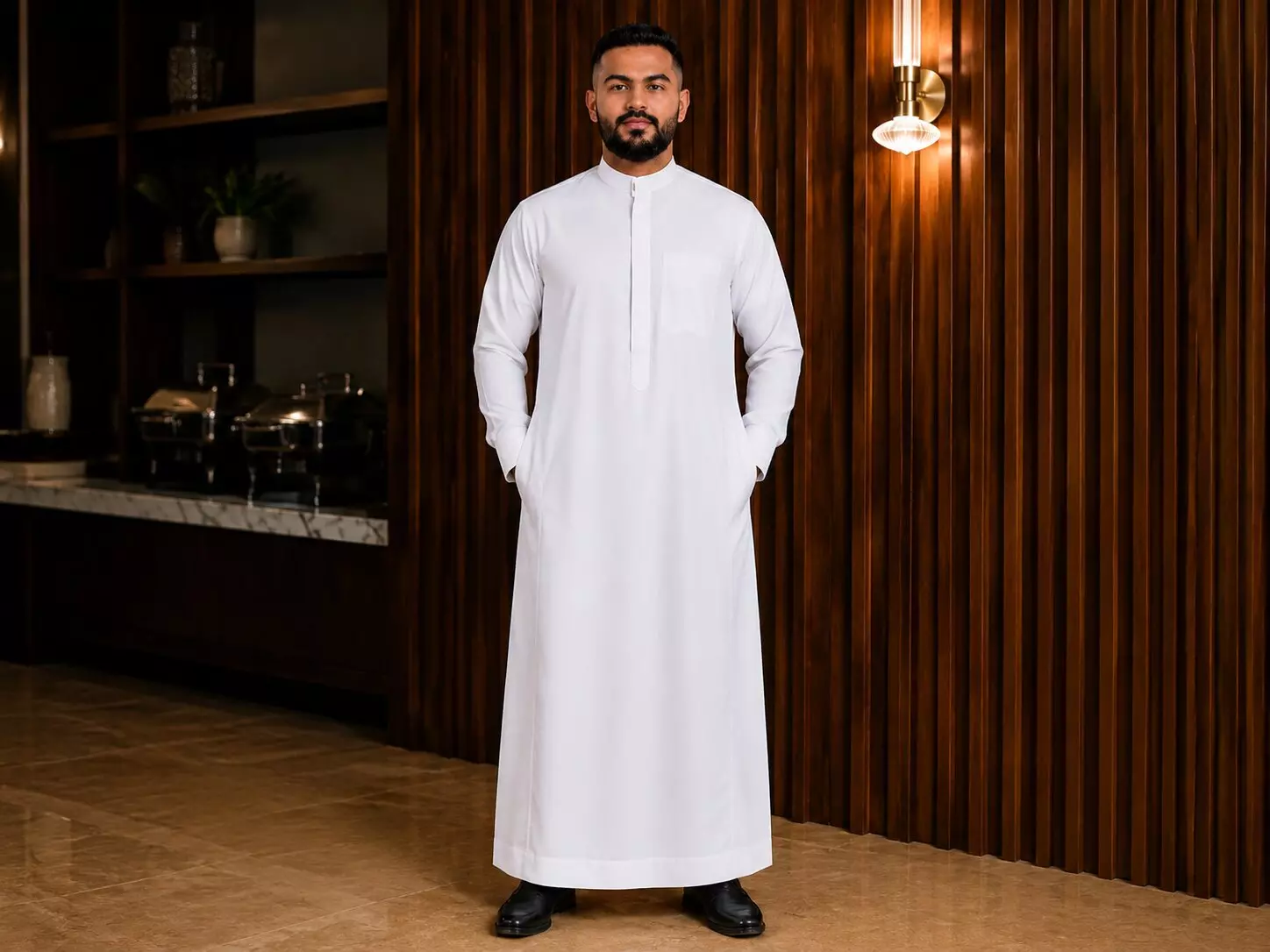
A daffah thobe is a style of robe worn by men, known for its refined cut and smooth drape.
The word "daffah" refers to a particular tailoring style, often linked to a flap or fold detail near the chest area, which gives the garment a distinct look compared to simpler thobe designs.
This small design choice adds shape and structure while keeping the overall silhouette relaxed.
Like other thobes, the daffah style covers the body from the shoulders to the ankles. It uses long sleeves and a straight, flowing cut.
The difference lies in the finishing touches: a defined front panel, sometimes with a subtle seam or fold, gives the daffah thobe a slightly more tailored appearance without losing its traditional roots.
This outfit sits at the center of traditional islamic garb, worn during prayers, family events, and everyday life across many communities.
Where the Daffah Thobe Comes From
The roots of the daffah thobe trace back through generations of tailoring practiced in Gulf regions and beyond.
Robes like this one were shaped by climate, culture, and daily needs. Loose garments made sense in hot, dry weather, allowing air to circulate and keeping the body cool through long days.
Over time, tailors began adding small design touches to separate one style from another. The daffah detail became a signature feature, giving wearers a way to express personal taste while still following the modest, respectful shape expected in traditional islamic garb.
Today, this history still shapes the way the daffah thobe is made. Tailors continue to respect the original structure while adjusting fabric choices and fits to suit modern lifestyles.
Why the Daffah Thobe Fits Modern Life So Well
Fashion trends usually favor either comfort or style, rarely both at once. The daffah thobe manages to offer both, which explains why it continues to gain attention.
Ease of Movement The loose body and long sleeves allow for full range of motion. Bending, sitting, and walking all feel natural in this outfit, since nothing pulls or restricts the body.
A Refined Look Without Effort The daffah detail adds a touch of structure near the chest, giving the outfit a slightly sharper appearance. This makes it suitable for formal settings without needing extra accessories or layers.
Breathable Fabric Choices Cotton remains the top choice for daffah thobes, thanks to its soft feel and ability to let air pass through. In cooler months, thicker blends or wool options add warmth while keeping the same relaxed shape.
Works Across Occasions A daffah thobe made from lightweight cotton suits daily wear, while one made from finer fabric with subtle stitching works well for weddings, Eid gatherings, or formal prayers.
The Role of the Daffah Thobe in Traditional Islamic Garb
Modesty sits at the heart of traditional islamic garb, and the daffah thobe reflects this value clearly. Its loose shape avoids clinging to the body, and its length keeps the legs fully covered.
These design choices are not accidental; they follow guidelines rooted in islamic teaching about dressing with humility and respect.
During religious occasions such as Ramadan and Eid, the daffah thobe becomes a common sight. Families dress in their finest thobes for prayers, gatherings, and celebrations, turning the outfit into a symbol of the season itself.
Beyond religious events, the daffah thobe also plays a role in daily routines. Men wear it to work, to family visits, and to social gatherings, since it fits smoothly into many parts of life without feeling out of place.
Modern Trends Shaping the Daffah Thobe
While the daffah thobe holds onto its traditional roots, small shifts in design keep it aligned with current fashion tastes.
1. Slimmer Silhouettes Many tailors now offer a slightly narrower cut through the shoulders and chest, giving the daffah thobe a sharper look while keeping the flowing lower half intact.
2. Neutral and Earthy Tones While white remains a classic choice, shades of beige, gray, sand, and soft brown have grown in popularity. These colors bring a calm, modern feel to the outfit.
3. Subtle Embroidery Instead of bold patterns, many daffah thobes now feature light stitching along the collar, cuffs, or front panel. This adds detail without taking away from the outfit's simple charm.
4. Fabric Blends Cotton-polyester blends have become common, offering wrinkle resistance and durability alongside the breathability cotton provides. This makes the daffah thobe practical for travel and busy schedules.
5. Attention to Tailoring Fitted shoulders and precise seam work have become a focus for many designers, giving the daffah thobe a polished finish that pairs traditional shape with modern tailoring standards.
How to Choose a Daffah Thobe
Selecting the right daffah thobe involves paying attention to a few key details.
Fabric Cotton suits warm climates and daily wear thanks to its breathability. For cooler seasons, a wool blend or thicker cotton weave adds warmth without sacrificing comfort.
Fit The shoulders should sit comfortably without pulling, and the length typically falls around the ankle. Sleeve length matters too, with longer sleeves suiting formal events and shorter sleeves working well in hot weather.
Color White continues to be a strong choice for religious occasions, while gray, beige, and navy suit both daily wear and slightly formal settings.
Design Details The daffah panel itself can vary in size and shape depending on the tailor. Some prefer a subtle fold, while others choose a more pronounced design. Picking a style that matches personal taste helps the outfit feel more personal.
Caring for a Daffah Thobe
Proper care keeps a daffah thobe looking fresh and lasting longer.
- Wash cotton versions in cool or lukewarm water to avoid shrinking.
- Air dry rather than using a machine dryer, since heat can weaken the fabric over time.
- Iron on a low setting, paying close attention to the collar and front panel for a clean finish.
- Store on a hanger to help the garment keep its shape and reduce wrinkles.
Following these steps helps preserve both the fabric and the tailoring details that make the daffah style stand out.
Why Thousands of Men Continue to Choose the Daffah Thobe
The growing popularity of the daffah thobe comes down to a few clear reasons. It offers comfort without giving up structure.
It carries cultural and religious meaning while still working for daily life. It fits into the wider category of traditional islamic garb while offering a slightly more tailored look through the daffah detail.
For many men, wearing this style connects them to family traditions and cultural identity.
For others, it simply offers a practical, comfortable outfit that suits both formal and casual settings. Either way, the daffah thobe continues to hold its place as a respected choice in modern wardrobes.
Daffah Thobe Across Different Age Groups
One reason the daffah thobe keeps growing in popularity is its wide appeal across age groups. Older men often favor the outfit for its dignity and its link to family tradition, choosing classic white or muted tones with minimal detailing.
Younger men, on the other hand, have started experimenting with the style, pairing it with modern belts, watches, or slightly slimmer cuts that feel closer to contemporary fashion.
This flexibility keeps the daffah thobe relevant across generations. A father and son can both wear the same style at a family gathering, each adjusting small details to match their own taste, while still sharing the same cultural root.
Comparing the Daffah Thobe to Other Thobe Styles
To understand why the daffah thobe stands out, it helps to compare it with other common thobe styles.
A plain thobe, for example, uses a simple front with no visible seam or fold detail. This works well for everyday wear but lacks the refined touch that the daffah panel provides.
A collarless thobe, sometimes called a round-neck style, skips the standing collar found on many daffah designs. While comfortable, it can look less formal, making it a better fit for casual settings.
The daffah thobe sits between these two extremes. It keeps the simple, breathable structure of a traditional robe while adding just enough shape through its signature front panel to give it a slightly dressier feel. This balance is part of what makes it a favorite for both daily wear and special occasions.
The Growing Demand for Daffah Thobes Online
Online shopping has changed how men discover and purchase traditional clothing. Search interest around the daffah thobe has grown steadily as more people look for ways to combine cultural dress with modern convenience.
Reviews, styling videos, and community discussions on platforms like Reddit and Quora have helped spread awareness of this style beyond regions where it originated.
Many shoppers now compare fabric options, stitching quality, and fit guides before choosing a daffah thobe, treating the purchase with the same care given to formal suits or tailored jackets.
This shift shows how traditional islamic garb continues to hold value in a world driven by online research and detailed product comparisons.
Common Questions About the Daffah Thobe
Is the daffah thobe suitable for everyday wear?
Yes, especially when made from lightweight cotton. The relaxed fit and breathable fabric make it practical for daily errands, home wear, and casual outings.
Can the daffah thobe be worn in cooler weather?
Certain fabric blends, including wool or thicker cotton weaves, allow the daffah thobe to work well during cooler seasons without changing its overall shape.
Does the daffah detail require special care?
The front panel does not need extra maintenance beyond standard ironing and gentle washing, though care should be taken around the seam area to keep the stitching neat.
How is the daffah thobe different from a regular thobe?
The main difference lies in the front panel design, which adds structure and a slightly tailored look compared to a plain, seamless front.
Final Thoughts
The daffah thobe stands as a strong example of how tradition and modern fashion can meet in one garment.
Its refined chest detail, breathable fabric options, and flowing shape make it a practical and elegant choice for many occasions.
As part of traditional islamic garb, it carries meaning beyond style, reflecting values of modesty and respect.
As fashion continues to shift each year, the daffah thobe remains steady, proving that thoughtful design and cultural roots can carry a garment across generations without losing its place in modern life.