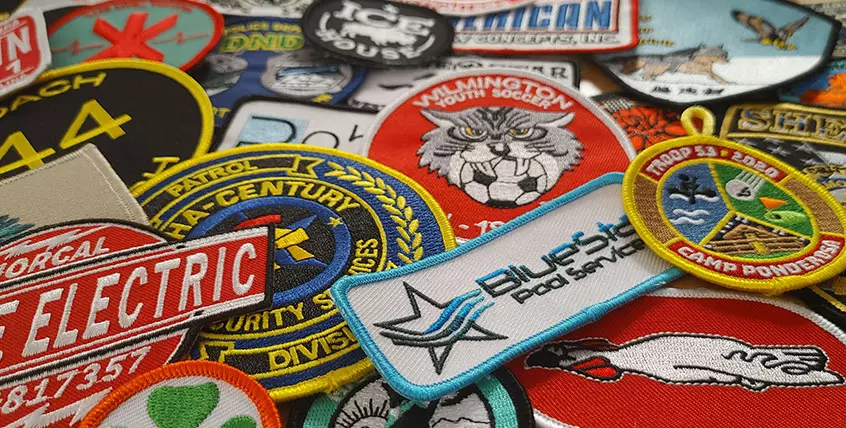
Custom Patches: The Timeless Appeal of Threaded Identity
The Versatility of Custom Patches
Custom patches have transcended generations, industries, and subcultures to become a staple in everything from fashion to corporate branding. Their enduring popularity lies in their ability to blend art, identity, and function. Whether sewn onto jackets, displayed on backpacks, or attached to uniforms, custom patches bring personality and purpose wherever they’re found.
Used by brands, schools, motorcycle clubs, military units, and streetwear designers, these patches are more than just decorations. They serve as emblems of pride, tools for storytelling, and vehicles for personal expression.
Custom Patches as Storytelling Tools
One of the reasons custom patches continue to resonate is their unique ability to tell a story in a compact format. A patch can represent a journey, a memory, a cause, or a sense of belonging. Military units use them to signify missions. Scouts earn them to mark achievements. Bands and artists use them to connect with fans.
In fashion, patches often reflect themes or eras—grunge, punk, 90s streetwear—bringing a sense of nostalgia or rebellion. Each patch carries intent, and that intent turns it into more than just fabric and thread.
The Process of Making Custom Patches
A well-crafted custom patch begins with design. This is where branding, creativity, and purpose come together. Companies, clubs, or individuals sketch out symbols, slogans, or logos that represent their identity. The key is creating something instantly recognizable and visually striking.
Once the design is finalized, manufacturers transform it into a patch using techniques such as embroidery, weaving, printing, or PVC molding. Each method has its own style and use case:
- Embroidered patches have a raised, textured feel and are ideal for bold, simple designs.
- Woven patches allow more detail and smoother finishes, great for intricate artwork or text.
- Printed patches replicate complex graphics, gradients, or photographs with accuracy.
- PVC patches offer durability and a modern, rubberized aesthetic.
- Chenille patches bring a soft, fluffy texture often seen on varsity jackets or nostalgic designs.
- Leather patches add a rustic, premium quality used in high-end apparel.
Choosing the Right Patch Type
Different types of patches serve different purposes. A band might prefer embroidered patches for merchandise because of their retro appeal, while an outdoor gear company may choose PVC for weather resistance. A denim brand might go for custom leather patches for authenticity and edge.
Beyond style, practical factors also matter—will the patch be exposed to heavy wear? Washed frequently? Need to be removable? That’s where backing options come in.
Backings: Function Meets Convenience
The attachment method you choose determines how versatile and long-lasting your patch will be. Options include:
- Sew-on: Durable and traditional; perfect for permanent application.
- Iron-on: Quick DIY solution; best for casual wear.
- Velcro: Reusable and great for tactical use or interchangeable branding.
- Adhesive: Easy to apply temporarily, suitable for short-term use.
- Pin-back or magnetic: No sewing or ironing needed; ideal for collectors or light use.
The right backing ensures your patch performs well while meeting your aesthetic and functional needs.
Patches in Brand Identity
For businesses, custom patches offer an affordable, tangible way to communicate brand values. Uniforms with patches enhance professionalism and cohesion. Employees wearing branded patches become walking ambassadors for the company. This subtle form of marketing leaves a lasting impression.
Patches can also be handed out as promotional items, fostering engagement and recognition. When creatively designed, they become collectible merchandise that fans are eager to wear or display. Startups and established companies alike benefit from this low-cost, high-impact form of brand promotion.
The Role of Patches in Fashion
Fashion has embraced custom patches with open arms. From denim jackets and cargo pants to tote bags and sneakers, patches offer a way to personalize and elevate any garment. Streetwear brands especially leverage patches for branding, collaboration drops, and cultural commentary.
Designers use patches not just as decoration but as part of a garment’s construction. They might layer patches to add depth, use contrasting materials for flair, or integrate vintage-inspired patches for character. The result is wearable storytelling.
Upcycled fashion is another rising trend. Brands and individuals are using custom patches to repair or refresh old clothing, merging sustainability with creativity.
Cultural and Community Significance
Custom patches also play an important role in forming group identity. For motorcycle clubs, patches are sacred symbols that represent membership, hierarchy, and shared values. In schools and sports teams, patches represent achievement, pride, and teamwork.
In social movements, patches have been used to raise awareness, protest injustice, or promote unity. They give individuals a way to wear their beliefs and spark conversations without speaking a word.
In fan communities, patches are often used to signify participation in events, celebrate favorite characters, or represent belonging to a niche collective. These small pieces of fabric become powerful tokens of shared passion.
Collectors and Enthusiasts
Collectors of custom patches view them as more than souvenirs—they’re artifacts of culture. Limited edition patches, particularly those from concerts, conventions, or collaborations, can become highly sought after.
Many collectors keep albums, shadow boxes, or framed displays to showcase their finds. Online communities and trade forums have emerged, allowing people to swap, buy, and discuss patches from around the world. What begins as a hobby often grows into a meaningful pursuit of history and artistry.
Ordering Custom Patches: What to Know
If you're ordering custom patches for the first time, here are a few tips to ensure you get the best result:
- Start with a clear design: Use vector art if possible and keep the design clean. Avoid overly thin lines or gradients if opting for embroidery.
- Pick the right type: Match the patch style to your usage (e.g., woven for small fonts, PVC for outdoor use).
- Consider size and placement: Know where the patch will go—this affects both size and shape.
- Choose colors carefully: High-contrast colors ensure visibility, while Pantone references help with color accuracy.
- Select the proper backing: This depends on the end use—permanent, temporary, or swappable.
- Ask for samples or digital proofs: Before mass production, review a mock-up to catch any design issues.
- Factor in time and quantity: Plan ahead to avoid delays and get better rates on bulk orders.
Sustainable Patch Practices
Sustainability has become a core focus in the textile and manufacturing industries. Many patch producers are switching to recycled threads, eco-friendly dyes, and biodegradable materials. If you’re an eco-conscious brand or buyer, it’s worth asking your manufacturer about green options.
Using patches to repair or repurpose garments also contributes to sustainability by extending the life of clothing and reducing waste.
Custom Patches and Modern Technology
The evolution of patches is ongoing. Modern innovations are merging traditional patch-making with technology. Smart patches, for instance, integrate QR codes or NFC chips that link to websites, profiles, or exclusive content.
Augmented reality is another frontier—designers are experimenting with AR-enabled patches that trigger animations or interactive experiences when scanned with a phone.
As the line between fashion, function, and tech blurs, custom patches are becoming smarter, more interactive, and even more influential.
Conclusion
Custom patches are more than a fashion trend—they are enduring tools of identity, expression, and unity. Their strength lies in their simplicity and versatility. Whether worn proudly by a biker club, stitched onto a startup’s uniform, or displayed as collectible art, patches tell stories that stick.
In a world saturated with digital messaging, custom patches bring something tactile and timeless to the table. They give voice to causes, connect communities, and create lasting impressions. For individuals and brands alike, they offer a creative, affordable, and meaningful way to make a mark.