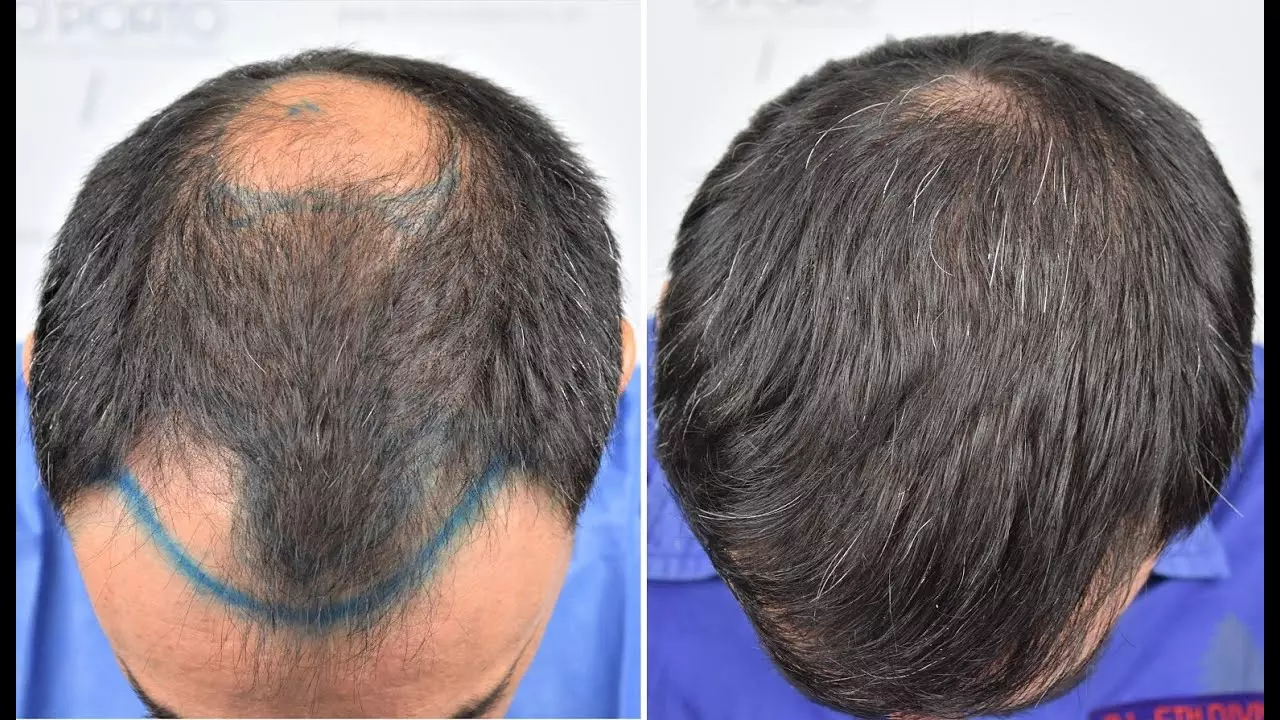
Crown Hair Density Calculations Before Transplant: A Crucial Step Toward Natural Results
One of the most essential components of a successful crown hair transplant is density planning. Without accurate calculation and distribution of hair grafts, even the most skillful surgery may yield unnatural or uneven results. If you're considering a Crown hair transplant in Islamabad, understanding how density is calculated before your procedure can help you make informed decisions and set realistic expectations.
This article delves into how crown hair density is measured, why it matters, how many grafts you may need, and how surgeons in Islamabad tailor these calculations to achieve the most natural-looking outcomes.
Why Crown Hair Density Matters
The crown—or vertex—is one of the most visually noticeable regions of hair loss, particularly because of its spiral (whorl) growth pattern. Achieving a natural appearance here isn’t just about placing hair follicles—it’s about placing the right number of grafts in the right pattern and density.
Improper density leads to:
- Patchy or thin appearance
- Overcrowded, unnatural results
- Wasted grafts from overharvesting
- Poor graft survival due to inadequate spacing
Crown area density planning is an art and science that can determine the overall success of the transplant.
How is Hair Density Measured?
Hair density refers to the number of hair follicles per square centimeter (cm²) on the scalp. A typical healthy scalp has:
- Native density: 80–100 follicular units per cm²
- Transplant target density: 30–50 follicular units per cm² for the crown
It's not always necessary to restore native density to achieve visual fullness. A strategic 40–50% of original density can visually appear full, especially when using advanced placement techniques.
Step-by-Step Density Calculation Before Transplant
Here’s how skilled surgeons in Islamabad determine how many grafts you’ll need:
1. Scalp Mapping
The crown area is mapped into square sections using digital or manual measurements. This identifies the total bald surface area, usually in cm².
2. Determining Target Density
Depending on hair characteristics (color, thickness, curliness), the surgeon selects a target density. For thick, dark hair, a lower density may suffice; finer hair requires more density.
3. Calculating Graft Count
Total grafts needed = Area in cm² × Target follicular units/cm²
Example:
- Bald crown area = 40 cm²
- Target density = 40 grafts/cm²
- Total grafts required = 40 × 40 = 1,600 grafts
4. Donor Area Assessment
The donor area (usually the back and sides of the scalp) is examined to determine how many grafts can safely be extracted without thinning the donor zone.
Factors That Affect Density Planning
FactorImpact on Density CalculationHair ThicknessThicker hair needs fewer grafts for the same coverageHair Color vs. Scalp ToneMore contrast requires more densityCurl PatternCurly hair gives fuller appearance with fewer graftsAge and Future LossSurgeons avoid high densities in progressive casesBudget and ExpectationsHigher density means more grafts, time, and cost
Challenges of Crown Density Planning
The crown presents unique challenges due to its:
✔ Spiral Pattern
Requires precision angling of each graft to mimic the natural swirl
✔ Scalp Laxity
The crown has tighter skin, requiring careful incision and spacing
✔ Blood Supply
Lower vascularity can impact graft survival if too many are placed densely
✔ Delayed Growth Timeline
Hair growth in the crown is often slower and less uniform, which can mislead patients early in recovery
Tools Used in Islamabad Clinics for Accurate Planning
Top clinics in Islamabad utilize tools to ensure precision, such as:
- Digital Trichoscopes: To count follicles per cm² before and after transplant
- Graft Counters: Ensures accurate number of harvested and implanted units
- Density Meters: Measure how thick the surrounding areas are for matching density
- Design Templates: For crown whorl placement and angle mapping
These tools support a personalized approach, leading to better outcomes.
Graft Allocation Strategies
In crown transplants, not all areas receive the same density. A proper plan often looks like:
Crown AreaTypical Density StrategyCenter of Whorl40–50 grafts/cm² (highest focus)Mid Zone30–35 grafts/cm²Outer Ring20–25 grafts/cm² (blend area)
This graduated technique ensures natural density without overusing donor follicles, preserving resources for potential future procedures.
What Happens if Density is Too Low?
- Sparse or “see-through” crown
- Patchy look in photos or under lights
- Disappointment with cosmetic results
- May require touch-up or second session
What Happens if Density is Too High?
- Graft failure due to poor blood supply
- “Pluggy” or clustered appearance
- Overharvesting from the donor area
- Risk of scalp necrosis or poor healing
How Many Grafts Do Most People Need?
Bald Area (cm²)Low Density (30/cm²)Medium (40/cm²)High (50/cm²)20 cm²600 grafts800 grafts1,000 grafts40 cm²1,200 grafts1,600 grafts2,000 grafts60 cm²1,800 grafts2,400 grafts3,000 grafts
Most crown transplant cases fall in the 1,500–2,500 graft range depending on age, expectations, and degree of baldness.
Tips to Discuss with Your Surgeon
Before your crown transplant, ask:
- What is the total bald area in cm²?
- What density do you recommend and why?
- How many grafts will be used, and where?
- Will you preserve donor hair for future needs?
- Can I review similar patient cases and their density plans?
Benefits of Proper Density Planning
- Natural-looking results
- Efficient use of donor supply
- Even growth over time
- Reduced need for revisions
- Patient satisfaction from realistic expectations
Aftercare and Density Outcomes
After your transplant, graft survival and the final density depend heavily on aftercare practices. To support optimal results:
- Avoid pressure or friction on the crown for 2 weeks
- Refrain from heavy sweating or workouts for 10–14 days
- Use prescribed shampoos and serums for healing and growth
- Be patient—final density takes 9–12 months to fully emerge
Crown Hair Transplant in Islamabad: Combining Precision and Affordability
Top clinics in Islamabad balance affordability with precision. Choosing a crown hair transplant in Islamabad gives you access to:
- Experienced surgeons who specialize in crown restorations
- Custom density planning using digital tools
- Transparent pricing with no hidden costs
- Post-op guidance and support over the entire growth timeline
Affordable doesn’t have to mean compromised. With the right planning, Islamabad clinics deliver results that rival international standards.
Real Patient Feedback
Ahmed M., Age 33
"I was told I needed 1,800 grafts to cover my crown. My surgeon explained everything—from density to donor limits. It's been 10 months, and my crown looks dense and natural."
Sameer K., Age 41
"The detailed density plan made me trust the clinic. They didn’t promise miracles—they explained how realistic coverage works. That honesty paid off."
Conclusion
Hair restoration is not just about growing hair—it’s about growing it the right way. Crown hair density calculations are the foundation of a successful, natural-looking transplant. Without this critical step, even the most advanced techniques can fall short.
If you’re planning a crown hair transplant in Islamabad, be sure your clinic prioritizes detailed pre-op planning, including precise density mapping. It’s the difference between a result that’s good—and one that’s great.