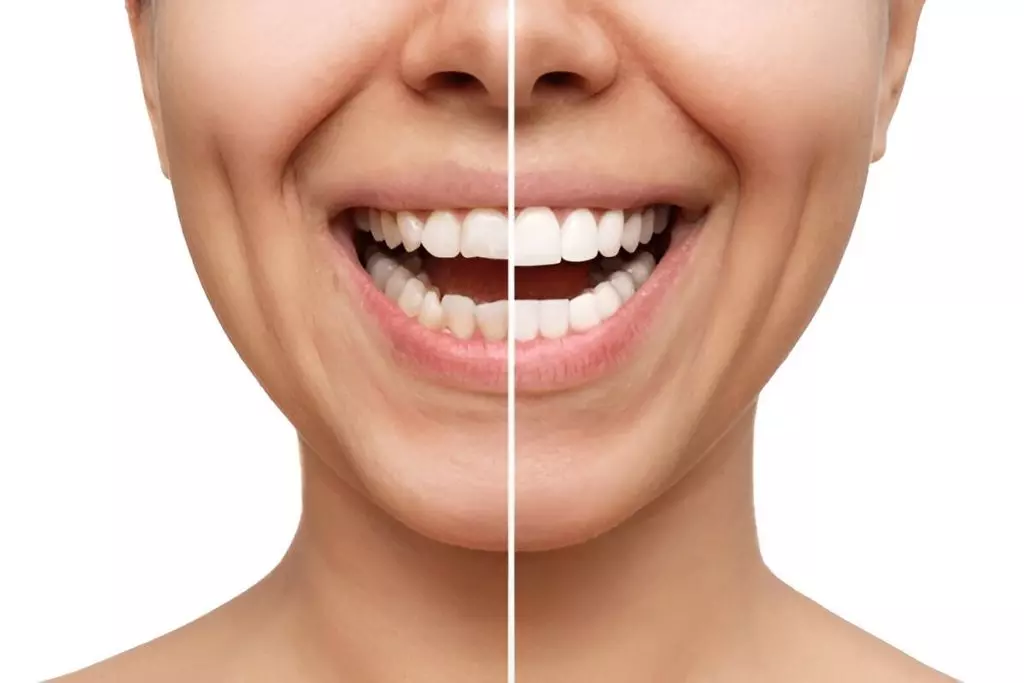
Crooked Teeth Treatment for Different Types of Misalignment
Crooked teeth are a common dental concern that affects people of all ages. They can occur due to a combination of genetic, developmental, and lifestyle factors. Understanding why teeth become misaligned and how treatments can help is essential for achieving a healthier, more confident smile.
Causes of Crooked Teeth
Crooked Teeth Treatment Dubai do not happen randomly. Several factors contribute to the misalignment of teeth.
Genetic Factors
Genetics play a significant role in dental alignment. If parents have crowded or crooked teeth, there is a higher likelihood that their children may experience similar issues. Genetic traits can influence jaw size, tooth size, and how teeth erupt, all of which can lead to misalignment.
Jaw Size and Shape
The size and shape of the jaw affect how teeth are positioned. A jaw that is too small may not have enough space to accommodate all teeth, leading to crowding. Conversely, a jaw that is too large may cause gaps between teeth. Both scenarios contribute to crooked teeth.
Early Loss of Baby Teeth
Losing baby teeth too early can disrupt the natural alignment process. Adult teeth may shift or erupt in incorrect positions if they do not have proper guidance from primary teeth. This can result in crooked or misaligned teeth as the mouth grows.
Habits in Childhood
Certain habits during childhood can affect the alignment of teeth. Thumb sucking, prolonged use of a pacifier, or tongue thrusting can push teeth out of their natural positions. These habits may seem harmless initially, but over time, they can cause significant dental misalignment.
Dental Trauma
Injuries to the mouth or jaw can impact tooth positioning. Trauma may cause teeth to shift, break, or erupt incorrectly. Even minor injuries during formative years can have long-term effects on dental alignment.
Impacted or Extra Teeth
Sometimes, extra teeth or teeth that do not fully emerge can crowd the mouth, pushing other teeth out of alignment. Impacted teeth may remain trapped under the gum line, affecting the positioning of surrounding teeth.
How Crooked Teeth Affect Oral Health
Crooked teeth are not just a cosmetic concern. Misaligned teeth can have several effects on oral health.
Difficulty in Cleaning
Crowded or overlapping teeth make it harder to brush and floss effectively. This increases the risk of plaque buildup, cavities, and gum disease. Proper cleaning becomes challenging when teeth are not aligned correctly.
Bite Problems
Misaligned teeth can lead to issues with the bite. Overbites, underbites, and crossbites can cause uneven pressure on teeth, leading to discomfort, jaw strain, and in some cases, headaches.
Speech Challenges
Teeth play a crucial role in forming sounds. Crooked teeth may interfere with pronunciation, causing minor speech difficulties. This is particularly noticeable when teeth significantly protrude or are crowded.
Self-Confidence
A crooked smile can impact self-esteem. Many individuals feel self-conscious about the appearance of their teeth, which can affect social interactions and confidence in personal and professional situations.
Crooked Teeth Treatment Options
Various treatments exist to correct crooked teeth, depending on the severity and type of misalignment.
Braces
Braces are a widely recognized solution for straightening teeth. They apply continuous pressure over time, gradually moving teeth into proper alignment. Braces can address crowding, spacing, and bite issues effectively.
Clear Aligners
Clear aligners are an alternative to traditional braces. They consist of a series of custom-made, removable trays that progressively shift teeth. Aligners are less noticeable and provide flexibility while maintaining treatment effectiveness.
Retainers
Retainers are often used after braces or aligners to maintain teeth in their corrected positions. They prevent teeth from gradually shifting back to their original misaligned state.
Orthodontic Appliances
Other orthodontic appliances may be used in specific cases to correct jaw alignment or guide the eruption of permanent teeth. These devices support proper dental development and can reduce the risk of future misalignment.
Benefits of Crooked Teeth Treatment
Correcting crooked teeth provides both functional and aesthetic advantages.
Improved Oral Health
Properly aligned teeth are easier to clean. Brushing and flossing become more effective, reducing the risk of cavities, gum disease, and other oral health concerns.
Enhanced Bite and Function
Treatments help balance the bite, minimizing strain on teeth and jaws. Proper alignment ensures that chewing and speaking are more comfortable and efficient.
Boost in Confidence
A straighter smile often enhances self-esteem. Many individuals experience a positive impact on their personal and professional lives after correcting misaligned teeth.
Long-Term Dental Stability
Correcting teeth alignment contributes to long-term dental stability. Properly aligned teeth are less likely to wear unevenly or develop complications related to bite issues.
Read: Various teeth straightening methods and to prevent braces from
FAQs
What Causes Teeth to Become Crooked Over Time?
Teeth can shift due to genetics, jaw growth, loss of teeth, or habits such as teeth grinding. Aging can also affect alignment as jawbones change density over time.
How Long Does Crooked Teeth Treatment Usually Take?
The duration varies depending on the severity of misalignment and the chosen treatment. Braces or aligners may take several months to a few years to achieve optimal results.
Can Adults Benefit from Crooked Teeth Treatment?
Yes. While treatment is often associated with children and teenagers, adults can also achieve significant improvements in alignment and overall oral health.
Are Crooked Teeth Treatments Painful?
Mild discomfort is common, especially after adjustments, but treatments are generally manageable. Most people adapt quickly and experience significant improvement in comfort and function.
Will Crooked Teeth Come Back After Treatment?
Without proper maintenance, such as using retainers, teeth can gradually shift over time. Retention strategies help preserve the corrected alignment for long-term results.
Crooked Teeth Treatment in Dubai happen for a variety of reasons, ranging from genetics to habits and dental development issues. Treatments are designed to not only improve the appearance of a smile but also enhance oral health, function, and confidence.
By addressing misalignment, individuals can enjoy the long-term benefits of a healthier, more stable, and more attractive smile.