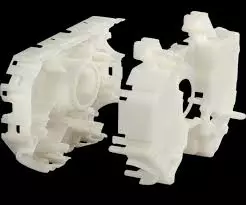
Cost-Effective Production with Low Volume Injection Molding Techniques
Low volume injection molding has become an essential manufacturing solution for startups, product developers, and even established companies looking to bridge the gap between prototyping and full-scale production. As industries demand faster go-to-market timelines and more customization, manufacturers need efficient, scalable, and economical solutions.
Low volume injection molding fits this need perfectly, providing a cost-effective way to produce high-quality plastic parts in smaller quantities without compromising on precision or durability.
This technique allows manufacturers to produce quantities ranging from a few hundred to tens of thousands of units, which is especially useful for niche products, market testing, or limited-edition runs. Traditional high-volume manufacturing often incurs high upfront tooling costs and long lead times, making it impractical for small-batch production.
In contrast, low volume injection molding offers flexibility, affordability, and quick turnaround, all of which contribute to its growing popularity in various industries.
The Basics of Low Volume Injection Molding
Low volume injection molding is a specialized form of plastic molding where small batches of parts are created using customized molds. Unlike high-volume molding, which focuses on producing hundreds of thousands of identical parts, low volume injection molding typically produces between 100 and 10,000 units per run.
The process involves injecting molten plastic into a mold cavity under pressure, where it cools and solidifies into the desired shape. This technique is ideal for applications requiring short production cycles, early-stage product development, or frequent design updates.
Because of its scale, low volume injection molding often utilizes less expensive materials for mold creation—such as aluminum instead of hardened steel. This not only reduces tooling costs but also decreases lead time. Manufacturers can quickly create functional prototypes or limited product runs without committing to a costly, long-term investment.
Moreover, the same mold can be modified or replaced with ease if design changes are required, making it an excellent option for iterative development and design flexibility.
Advantages in Cost and Time for Small Batch Manufacturing
One of the most significant advantages of low volume injection molding is its cost-effectiveness. Traditional injection molding involves substantial upfront costs associated with mold fabrication, which can run into tens of thousands of dollars. For companies that do not require mass production, this investment can be hard to justify.
Low volume injection molding minimizes these initial expenses by using more affordable mold materials and simpler mold designs, significantly lowering the barrier to entry for small businesses and innovators.
In addition to cost savings, this technique also dramatically reduces lead times. Instead of waiting weeks or even months for tooling and production to complete, companies can have their parts produced and delivered within days. This speed is particularly valuable for companies working on tight schedules, trying to beat competitors to market, or needing to test a product’s viability before launching at scale.
The combination of lower costs and shorter turnaround times makes low volume injection molding an attractive option for agile, forward-thinking manufacturers.
Ideal Applications and Industries Benefiting from the Technique
Low volume injection molding is especially valuable for industries where customization, speed, and flexibility are essential. For instance, in the medical device sector, manufacturers frequently need to produce small batches of custom components for clinical trials or specialized equipment. Low volume molding ensures that these parts can be manufactured quickly and with precision, enabling medical companies to innovate faster while maintaining strict quality standards.
Similarly, the automotive and aerospace industries benefit from low volume injection molding when developing prototype parts or producing limited-edition components. In these sectors, performance and precision are critical, and the ability to test new designs without the high costs of full-scale tooling is a game-changer.
Consumer electronics, home appliances, and startup product developers also leverage this technique to conduct market tests or introduce short-run products efficiently. Across all these sectors, low volume injection molding bridges the gap between concept and commercialization.
Material Flexibility and Design Optimization
Another key advantage of low volume injection molding is the wide range of materials it supports. Manufacturers can select from various engineering plastics and thermoplastics, each offering different characteristics such as impact resistance, thermal stability, and transparency. This flexibility allows designers and engineers to fine-tune their products for both performance and aesthetics, ensuring that even small-batch runs meet end-use requirements.
Furthermore, low volume injection molding promotes design optimization. With shorter lead times and lower tooling costs, businesses can iterate more frequently, testing different shapes, sizes, and features before finalizing a design for larger production runs.
This rapid prototyping and testing cycle reduces the risk of costly design errors and improves the overall functionality of the final product. By enabling continuous improvement and customization, this molding technique enhances product innovation without exceeding budget limitations.
Environmental and Logistical Benefits of Low Volume Injection Molding
Sustainability and efficient supply chain management are increasingly critical concerns for manufacturers. Low volume injection molding supports environmentally friendly practices by minimizing material waste and reducing energy consumption.
Because it involves smaller production runs, it avoids the surplus and overproduction often associated with high-volume manufacturing. Moreover, the ability to reuse or repurpose molds and materials further contributes to waste reduction and supports a circular manufacturing model.
From a logistics standpoint, low volume injection molding simplifies inventory management. Companies no longer need to produce and store massive quantities of parts, which reduces warehousing costs and the risk of obsolete inventory. Just-in-time (JIT) manufacturing becomes more achievable, allowing companies to respond more flexibly to market demands.
This localized, on-demand approach is not only more efficient but also aligns with current trends in lean manufacturing and sustainable business practices. When done strategically, low volume injection molding is both cost-effective and environmentally responsible.
Conclusion
Low volume injection molding is transforming the way products are developed, tested, and delivered to market. By enabling small-batch production with high precision and reduced cost, this technique empowers businesses to stay agile, respond to customer feedback, and bring innovations to life faster than ever before.
Whether you're a startup testing a new product idea or an established brand releasing a custom or limited-edition item, low volume injection molding provides the flexibility and efficiency needed in today’s fast-paced manufacturing landscape.
Its cost benefits, design versatility, and environmental advantages make low volume injection molding a preferred choice for modern production. As technology continues to advance, this method will only become more accessible and effective, helping more businesses realize their product goals without breaking the bank. For any organization looking to optimize their production strategy, embracing low volume injection molding is a smart step toward scalable, sustainable growth.