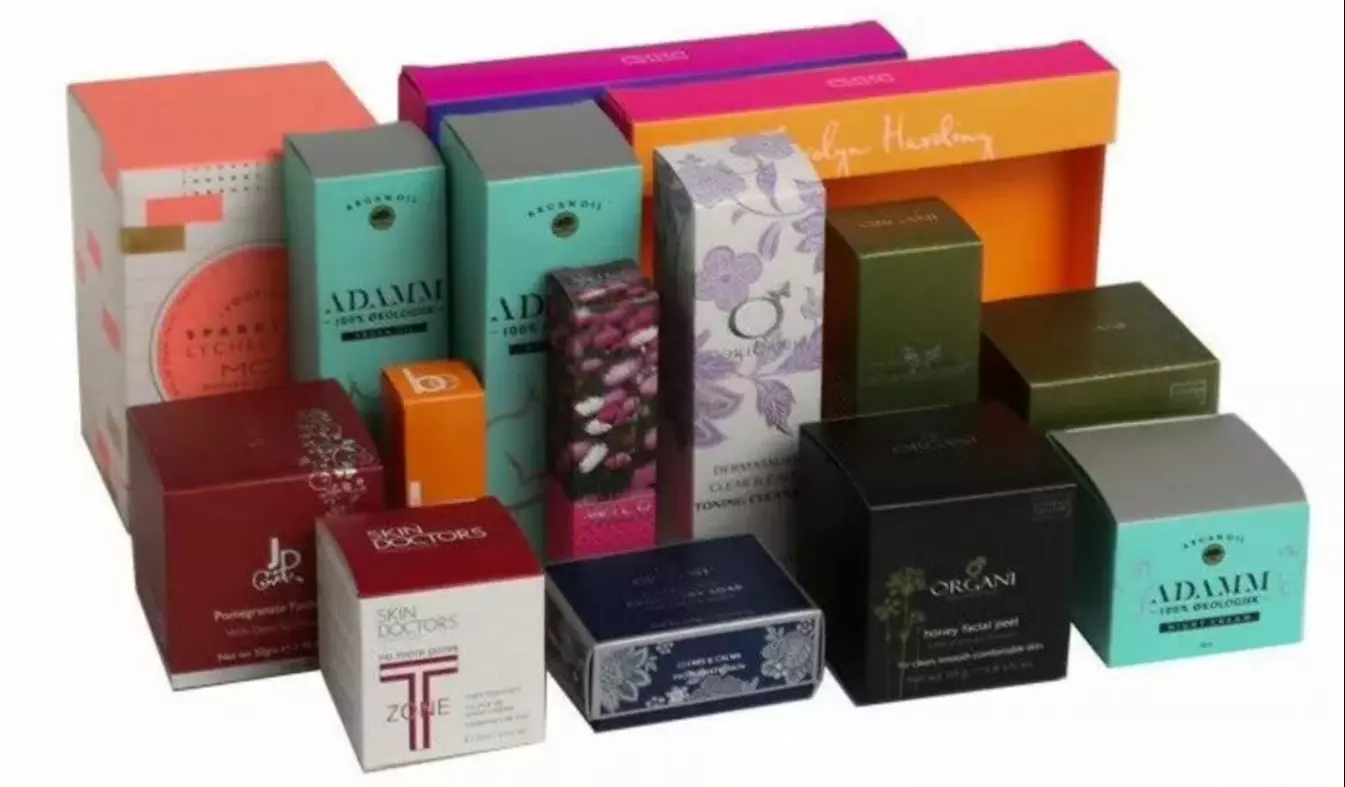
Cosmetic Box Size Guide: How to Choose the Right Fit for Your Products
Picking the wrong box for your beauty products is an easy mistake to make, and a costly one. A lipstick that rattles inside a roomy carton looks cheap on the shelf. A serum bottle crammed into a tight box shows up cracked.
This cosmetic box size guide walks you through the sizing choices that protect your product, trim your shipping bill, and make your brand look sharp the moment a customer picks it up.
Getting the size right is not guesswork. Once you know how to measure your product and match it to the right box style, the whole process gets simple. Think of this cosmetic box size guide as a checklist you can run every time you launch something new.
Why Box Size Matters More Than You Think
Size shapes almost everything about your packaging. Too big, and you pay for board and filler you don't need while your product slides around and gets damaged.
Too small, and the box bulges, the seams strain, and the label wrinkles. A good fit holds the product snug, uses less material, and ships at a lower dimensional weight, which is where a lot of hidden cost hides for online sellers.
There's a branding angle too. Shoppers judge quality in a few seconds. A box that fits cleanly, opens smoothly, and frames the product well feels premium. That first impression is hard to win back once it slips, which is why a cosmetic box size guide is worth following before you order.
Start by Measuring Your Product
Every solid cosmetic box size guide starts in the same place: measure the product, not the old box. Grab a ruler or calipers and write down three numbers:
length, width, and height, taken at the widest points. For round items like jars or bottles, measure the diameter and the full height, including the cap or pump.
Add a small tolerance, usually 1 to 3 millimeters, so the product slides in without forcing. If you plan to add an insert, foam, or tissue, make room for that now. These three numbers become the internal dimensions of your box, and everything else in this cosmetic box size guide builds from there.
Read: Recommendation Regarding Custom Packaging as a New
Common Cosmetic Box Sizes by Product
There's no single "standard," but these ranges cover most beauty items and give you a strong starting point. Keep them handy as the quick-reference part of your cosmetic box size guide.
- Lipstick and lip gloss usually fit boxes around 1 x 1 x 3.5 inches. Slim, tall, and easy to line up in a display.
- Mascara and eyeliner sit close to 1 x 1 x 4 inches, tall enough for the wand.
- Foundation and serum bottles need more room, often 1.5 x 1.5 x 4.5 inches, depending on the dropper or pump height.
- Cream jars and moisturizers run wider, around 2.5 x 2.5 x 2.5 inches for a squat, sturdy shape.
- Palettes and compacts are flat and wide, commonly 5 x 5 x 0.75 inches, sometimes larger for multi-shade sets.
- Skincare or gift sets vary the most, so build those around the real layout of the items inside.
Treat these as anchors. Your exact numbers should come from your own product, which is the whole point of a cosmetic box size guide built around measuring first.
Match the Size to the Right Box Style
Dimensions are only half the story. The box style decides how those dimensions actually work in the customer's hands.
A tuck-end box is the everyday pick for lightweight items like lipstick and mascara. It folds flat, stores easily, and works across a wide size range.
A two-piece rigid box suits premium serums and gift sets; it's sturdier and roomier, so add a little extra internal space for the thicker walls.
A sleeve-and-tray design is great for palettes and kits, letting the tray slide out for a nice reveal. Mailer boxes protect products shipped straight to buyers, so size these with padding in mind.
If you're ordering custom cosmetic boxes, the maker can tune any of these styles to your exact measurements, which beats forcing your product into an off-the-shelf size. This is where a cosmetic box size guide pays off, because you already know the numbers before you order.
Don't Forget Inserts and Shipping
Inserts change your sizing math. A foam holder, cardboard divider, or molded tray adds a few millimeters on each side, so measure the product with the insert in place. Inserts earn their keep on fragile glass bottles and multi-item sets, since they stop movement and cut breakage.
If you sell online, plan the shipping box too. A snug product box inside a right-sized mailer keeps dimensional weight down and guards the goods in transit.
Oversized shipping cartons are one of the most common ways small beauty brands quietly overspend, so this step belongs in any cosmetic box size guide.
Sizing for Retail Shelves vs. Online Orders
Where you sell changes what "right-sized" means; a retail-first cosmetic box size guide leans toward a snug, upright shape that stands well on a shelf and reads clearly from a few feet away.
Faces and edges need to carry your name, shade, and key claim without clutter, so keep the panels clean and the proportions balanced.
An online-first approach shifts the priority to protection and dimensional weight. Here, your cosmetic box size guide should account for the mailer, the void fill, and the bumps of transit.
A slightly stronger board and a well-fitted insert often cost less than the returns you avoid. If you sell through both channels, size for retail first, then choose a shipping layer that wraps around it.
Quick Tips to Get It Right the First Time
- Order a physical sample or dieline before a full run. A prototype in hand catches problems a screen never will.
- Keep tolerances small but real, tight enough to look clean, loose enough to load fast on a packing line.
- Standardize where you can. Sharing a few box sizes across a product line simplifies ordering, storage, and design.
- Plan for labels and finishes. Foil, embossing, and shrink wrap can add a hair of thickness that matters on a snug fit.
Final Thoughts
Right-sizing your packaging pays off in lower costs, fewer damaged returns, and a product that looks the part on any shelf.
Use this cosmetic box size guide as your starting framework, measure your own products with care, and pick a box style that fits both the item and the way you sell.
Do that, and your packaging will work as hard as everything else in your brand. Keep this cosmetic box size guide close, and every new launch gets easier than the last.