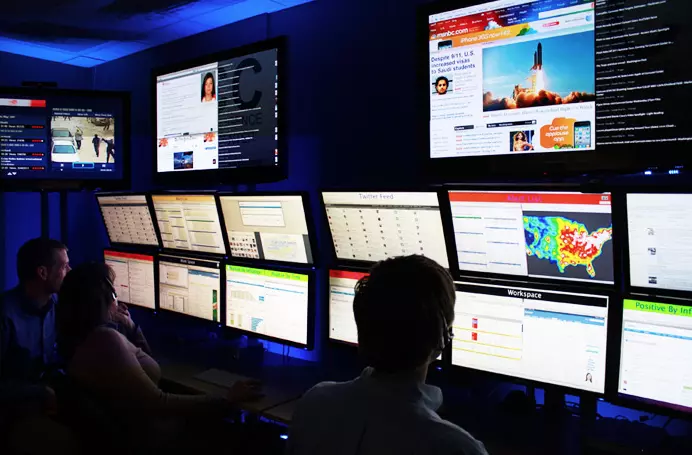
Copy of From Mentions to Metrics: Making Media Monitoring Work for Your Brand
In an age of digital-first where one review, headline, or tweet can change the perception of the masses, brands can no longer afford to fly blind. Whether it is a niche blog mention or a breaking story on a national outlet, any mention of your brand helps its image. However, it is not sufficient to monitor the mentions. You have to convert them into quantifiable insights that will lead to growth to be the real leader in your space. This is what media monitoring is all about.
Media monitoring is much more than a passive observation today. It is all about converting huge media data to metrics that can be used to enhance reputation, measure the impact, and make informed decisions by brands.
What is Media Monitoring?
In its most basic form, media monitoring is the act of watching what is being said about your brand, your competitors, or your industry in the different media outlets. They are online news, blogs, podcasts, print media, television, radio and, most importantly, social media.
But contemporary media monitoring tools go beyond this. They do not just gather information, they determine tone, context, influence and reach. This assists brands in going beyond the knowledge of what is being said to the knowledge of why it is important and what to do about it.
The strategic value of media monitoring services
Professional Media Monitoring Services offer businesses the depth and accuracy required to control their public image. The services enable companies to:
- Track the brand mentions in the international and local sources
- Real-time tracking of media sentiment
- Determine arising problems or PR crises
- Learn how to cover media in campaigns or product launching
- Comparison of media presence of competitors
Real-time monitoring of conversations and coverage provides businesses with a competitive advantage, particularly where the speed of response can make the difference between a story being an opportunity or a full-blown crisis.
Noise to Numbers: Mentions to Metrics
Although tracking is the core, media tracking is not sufficient. Brands must be able to derive insights that inform strategic action in order to derive value out of media monitoring.
These are some of the most important metrics that the contemporary media monitoring tools assist in capturing:
1. Mentions Volume
This shows how often your brand or keyword is in the media. Spikes can be a sign of successful campaign- or a growing problem that needs to be addressed as soon as possible.
2. Sentiment Breakdown
Are people talking about your brand in a good, bad or neutral way? Sentiment analysis enables you to know the perception of the audiences towards you in the long run.
3. Media Reach
This will inform you of the possible number of people who will see a certain mention, and this will enable you to gauge your exposure and visibility in different media houses.
4. Top Sources
What are the most active platforms, journalists, or outlets to cover your brand? This information will enable you to focus on future media relations.
5. Competitor Coverage
Comparing your brand media performance to that of competitors is necessary to know where you have opportunities or areas of concern.
Such measurements enable brands to shift their decision-making process towards data-driven decisions, which is one of the main distinguishing features of the modern competitive environment.
The Strength of Media Monitoring Software
Manual media monitoring is time-consuming, inconsistent and cannot scale. Media monitoring software comes in there. These tools make data collection automated, handle large amounts of content in multiple languages and formats, and provide real-time analytics via custom dashboards.
The most popular media monitoring software provides such features as:
- Brand mention alerts Automated
- Special filters on particular keywords or locations
- Sentiment and influencer analysis
- Internal or stakeholder reporting tools
- Integration of analytics and CRM
The brands can not only gain visibility through the right software, but also control their narrative.
Departmental Usage Cases
Although media monitoring is usually linked to PR, the advantages of this activity are spread over different teams:
- Marketing: Measure the effectiveness of the campaigns, monitor share of voice and trending topics.
- Executive Leadership: Get real time insight on brand reputation and industry positioning.
- Customer Support: Find out the open customer reviews to correct the service problems as soon as possible.
- Sales: Include positive media coverage and visibility numbers to the sales narrative.
- Risk Management: Identify bad publicity before it breaks and prepare to respond to a crisis.
By turning media monitoring into a cross-functional resource, companies can be sure that the insights are shared and acted on across the company.
How to Start Media Monitoring Solutions
In case you are starting media monitoring with your brand, the following are the steps to adopt an effective system:
Define Goals
So what do you want to do, brand awareness, reputation protection, competitor analysis?
Choose a Monitoring Tool or Service
Select on the basis of your coverage (global or local), industry and team size.
Install Keywords & Alerts
Use brand names, products, executives, hashtags, and industry terms.
Analyze & Act
Review the data on a regular basis and use the findings in your communication, PR and marketing strategies.
Polish Your Style
As your brand matures, optimize keywords, monitor more competitors and tailor reports to reflect changing objectives.
Conclusion: Get Media Monitoring to Work to Your Advantage
With the era of constant information, brands need to go beyond monitoring the conversation they need to know it and shape it. Monitoring media is not only about reading your name in the paper or on the internet; it’s about utilizing that information to build your reputation, find growth opportunities, and make better decisions.
In particular, Twitter Monitoring has become a critical component, offering real-time insight into trending conversations, customer sentiment, and public reactions that can shape your brand narrative instantly.
Media mentions turned into strategic metrics are a necessity to any modern brand—whether via sophisticated media monitoring software, Twitter-specific tools, or full-service Media Monitoring Services. Media monitoring, with the proper tools, attitude, and metrics, can not only tell you what happened but also assist you in shaping what will happen next.