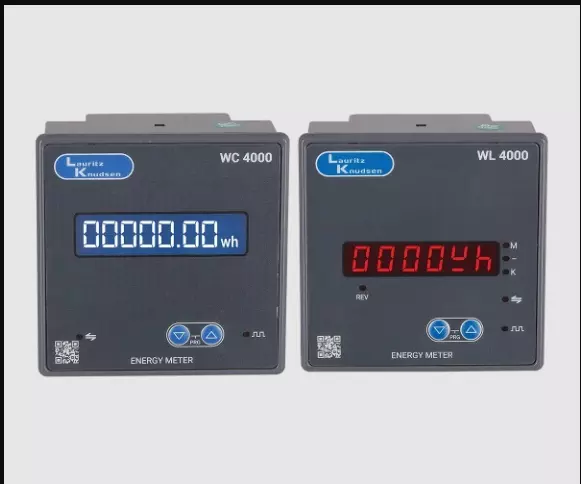
Control and Data Acquisition: A Guide to Smarter Operations Today
Modern industries are rapidly adopting intelligent technologies to improve efficiency, reduce downtime, and make faster operational decisions.
From manufacturing plants and utility networks to infrastructure and commercial facilities, businesses rely on automation to monitor processes and maintain consistent performance.
At the heart of this transformation is control and data acquisition, which enables real-time monitoring, analysis, and control of industrial systems.
Alongside dependable components such as rotary switches, these solutions help organizations achieve greater reliability, operational safety, and productivity in today's competitive industrial environment.
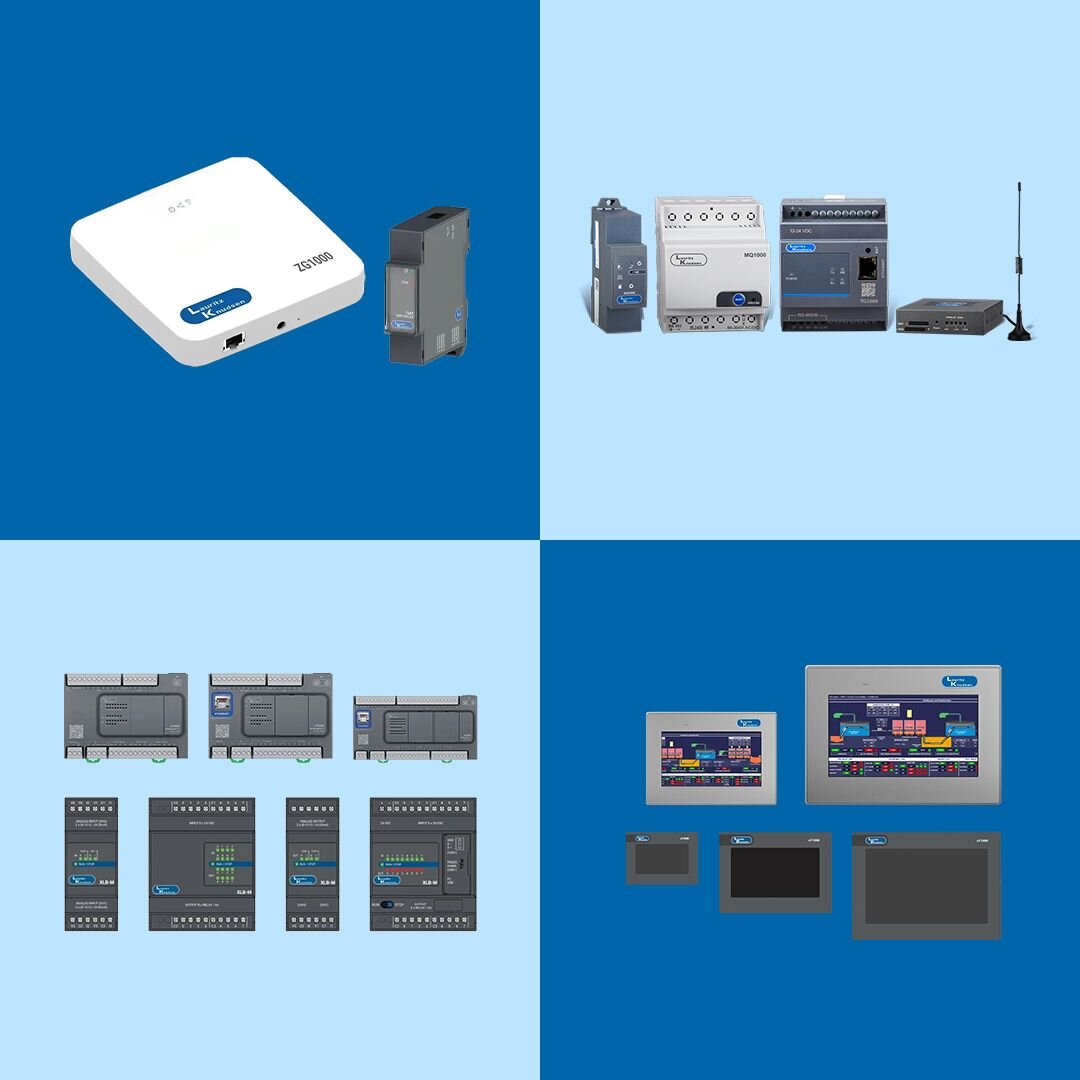
What Is Control and Data Acquisition?
control and data acquisition refers to the process of monitoring, collecting, analyzing, and controlling data from industrial equipment and processes.
These systems allow operators to observe machine performance in real time, detect abnormalities, and make informed decisions that improve efficiency and safety.
A typical control and data acquisition system gathers information from multiple devices across a facility and presents it through centralized monitoring software. This enables operators to respond quickly to changing operating conditions and maintain smooth production.
These systems are widely used in:
- Manufacturing plants
- Power generation facilities
- Water and wastewater treatment plants
- Oil and gas industries
- Building management systems
- Renewable energy projects
- Transportation infrastructure
Why Modern Industries Need Smarter Operations
Industrial facilities generate large amounts of operational data every day. Without an efficient monitoring system, identifying problems and optimizing performance becomes difficult.
Smart control systems help businesses:
- Monitor equipment continuously
- Improve production efficiency
- Detect faults early
- Reduce downtime
- Increase workplace safety
- Support predictive maintenance
- Improve energy management
These advantages contribute to higher productivity while reducing operating costs.
How Control and Data Acquisition Systems Work
A control and data acquisition system combines hardware and software to monitor and control industrial operations.
The process generally includes four major stages.
Data Collection
Sensors installed throughout the facility collect information such as:
- Temperature
- Pressure
- Voltage
- Current
- Flow rate
- Equipment status
- Energy consumption
Data Transmission
The collected information is transmitted to a central controller or monitoring platform using industrial communication networks.
Data Processing
The system analyzes incoming information and identifies operating conditions, alarms, or equipment abnormalities.
Operator Control
Operators receive real-time information through dashboards and can remotely adjust equipment settings when necessary.
This continuous cycle helps industries maintain reliable and efficient operations.
The Role of Rotary Switches in Industrial Control
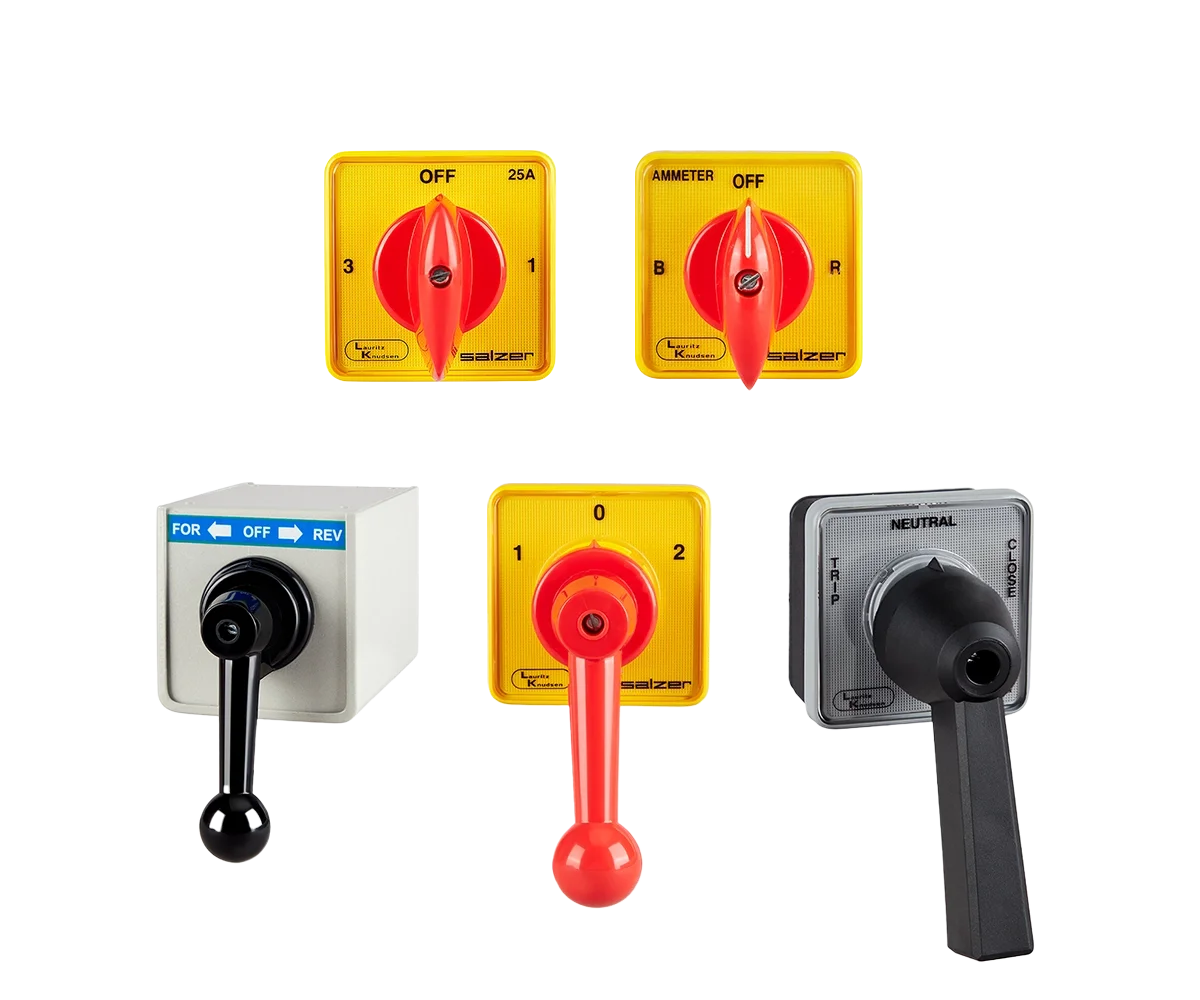
Reliable hardware remains essential for effective automation systems. One important component is the rotary switches, which allow operators to manually control electrical circuits and select operating modes.
Rotary switches are commonly used for:
- Equipment selection
- Motor control
- Mode switching
- Circuit isolation
- Control panel operations
- Industrial machinery
Their simple operation and dependable performance make them valuable components in electrical control systems.
Benefits of Control and Data Acquisition
Implementing control and data acquisition systems provides numerous operational benefits.
Real-Time Monitoring
Operators receive continuous updates about equipment performance, allowing immediate response to abnormal conditions.
Better Decision-Making
Access to accurate operational data supports faster and more informed decisions.
Reduced Downtime
Early fault detection helps maintenance teams resolve problems before equipment failures occur.
Improved Productivity
Automation minimizes manual intervention and keeps production running efficiently.
Enhanced Operational Visibility
Centralized dashboards allow operators to monitor multiple systems from one location.
Advantages of Rotary Switches
Although automation continues to advance, manual control components remain important.
High-quality rotary switches provide several advantages.
Easy Operation
Simple rotating mechanisms make equipment control straightforward.
High Reliability
Designed for industrial environments, rotary switches provide dependable long-term performance.
Improved Safety
Clearly defined operating positions reduce the likelihood of incorrect equipment operation.
Flexible Applications
Rotary switches can be integrated into numerous electrical and automation systems.
Industrial Applications
Control and data acquisition systems support operations across many industries.
Manufacturing
Monitor production equipment, automate machinery, and improve quality control.
Power Distribution
Track electrical parameters and improve grid reliability.
Water Treatment
Control pumps, filtration systems, and chemical dosing equipment.
Renewable Energy
Monitor solar plants, wind farms, and battery storage systems.
Commercial Buildings
Manage HVAC systems, lighting, elevators, and energy consumption.
These systems provide valuable operational insights regardless of industry.
Key Features to Look For
When selecting a control and monitoring solution, businesses should consider several important features.
Look for:
- Real-time data visualization
- Alarm management
- Remote monitoring capabilities
- Data logging
- User-friendly interface
- Cybersecurity features
- Integration with existing automation systems
- Scalability for future expansion
Selecting the right system ensures long-term operational efficiency.
Best Practices for Successful Implementation
Proper planning helps maximize the benefits of automation.
Recommended practices include:
- Define operational objectives.
- Select reliable hardware and software.
- Ensure compatibility with existing equipment.
- Train operators thoroughly.
- Schedule regular maintenance.
- Monitor system performance continuously.
- Update software and security features regularly.
These practices improve reliability while supporting future growth.
Future Trends in Industrial Automation
Automation technologies continue evolving rapidly.
Several important trends include:
Artificial Intelligence
AI helps analyze operational data and predict equipment failures before they occur.
Industrial Internet of Things (IIoT)
Connected devices improve communication between machines and central monitoring systems.
Cloud-Based Monitoring
Remote access allows operators to monitor facilities from virtually anywhere.
Predictive Maintenance
Advanced analytics identify maintenance requirements before equipment failures disrupt production.
Digital Twins
Virtual models of industrial systems help optimize operations through simulation and performance analysis.
These innovations are making industrial operations smarter, safer, and more efficient.
Why Investing in Smart Control Systems Matters
Organizations that invest in modern automation solutions gain long-term operational advantages.
Benefits include:
- Higher productivity
- Lower maintenance costs
- Improved equipment reliability
- Better energy efficiency
- Enhanced worker safety
- Faster decision-making
- Greater operational flexibility
As industries become increasingly digital, integrated control systems provide the foundation for sustainable growth.
Conclusion
Modern industrial facilities require intelligent systems that improve visibility, efficiency, and operational reliability. control and data acquisition enables businesses to monitor equipment in real time, make informed decisions, and optimize production processes.
Combined with dependable rotary switches, these systems create safer and more efficient industrial environments. Lauritz Knudsen Electrical & Automation continues to power India's electrical future with a legacy of over 70 years, a manufacturing footprint of 2.1 million sq.
ft., and innovative electrical and automation solutions that support residential, agricultural, commercial, infrastructure, and industrial sectors while driving the country's progress toward a smarter and more electrified future.