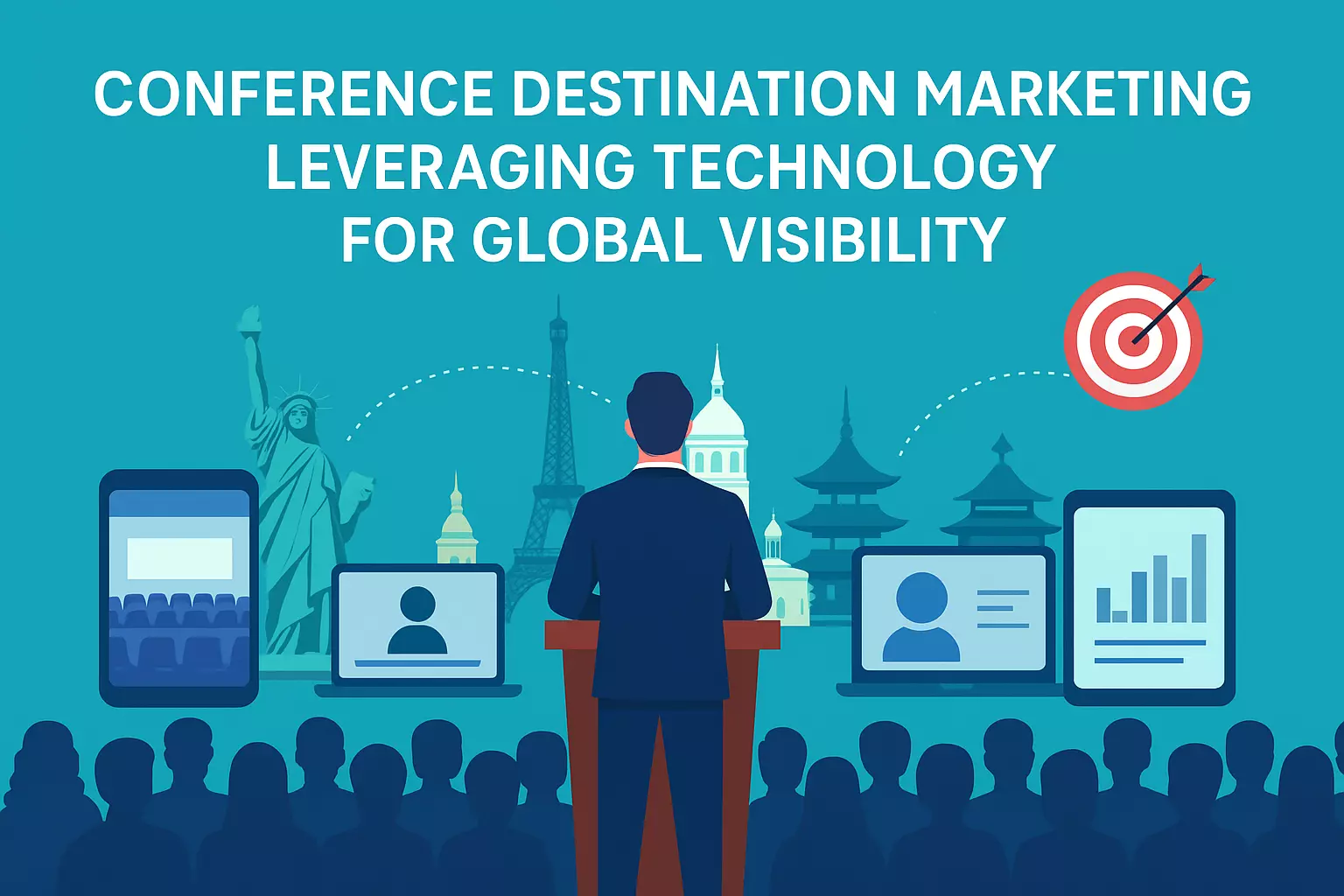
Conference Destination Marketing: Leveraging Technology for Global Visibility
In today’s rapidly evolving business events landscape, Conference Destination Marketing has become more than just showcasing venues and attractions. Destinations worldwide are leveraging advanced technology to position themselves as premier choices for international associations, corporate gatherings, and incentive events.
With digital tools, data-driven platforms, and innovative communication channels, destinations can amplify their visibility, appeal to decision-makers, and deliver exceptional delegate experiences.
This article explores how technology is transforming Conference Destination Marketing, why it is critical for global visibility, and how destinations can align with an effective Association Meetings Strategy to win in a competitive market.
The Evolving Role of Conference Destination Marketing
Traditionally, destination marketing organizations (DMOs) relied on brochures, travel expos, and in-person networking to promote their cities as meeting and event hubs. While these remain relevant, digital-first approaches have taken the front seat. Today’s event planners seek more than a location — they want a destination that provides data, seamless technology integration, and measurable value.
Conference Destination Marketing is no longer just about branding a city; it is about using technology to tell a compelling story. Destinations that leverage AI-powered data, immersive virtual tours, and targeted digital campaigns are not only attracting associations but also building long-term credibility in the global business events ecosystem.
Technology as a Game-Changer for Global Visibility
1. Virtual and Augmented Reality Experiences
Destinations can now use virtual reality (VR) and augmented reality (AR) to offer immersive previews of their venues and city highlights. Instead of relying solely on glossy brochures, planners can explore a convention center in 3D or take a virtual walk through hotels and attractions. This gives international event planners confidence in making informed decisions without physical site visits.
2. Data-Driven Marketing Campaigns
AI-driven platforms allow DMOs to analyze audience behavior, segment prospective clients, and run hyper-personalized campaigns. By tracking how event planners engage with content, destinations can refine strategies and increase conversion rates. This aligns closely with an Association Meetings Strategy, where associations expect destinations to understand member needs and tailor experiences accordingly.
3. Social Media and Content Amplification
Social platforms are powerful engines for global reach. Destinations can collaborate with influencers, share behind-the-scenes event content, and position themselves as thought leaders through webinars and digital summits. Articles in publications like Association Magazine for Event Planners further strengthen visibility by spotlighting success stories and innovative approaches.
4. Smart Event Platforms
Destinations that integrate smart event technologies — such as attendee tracking apps, live translation tools, and AI-based matchmaking — can showcase their readiness for international gatherings. These tools enhance delegate experiences, ensuring that business events hosted in the destination stand out globally.
Aligning Technology with Association Meetings Strategy
Associations form a significant portion of global MICE events, and attracting them requires more than just attractive packages. Technology integration plays a pivotal role in building trust and demonstrating value.
- Member-Centric Experiences: Through data analytics, destinations can showcase how their facilities and local ecosystem align with an association’s goals. This ensures that the event delivers maximum relevance for members.
- Hybrid Event Readiness: Post-pandemic, hybrid formats remain popular. Destinations that offer state-of-the-art streaming infrastructure, multilingual platforms, and technical support demonstrate adaptability. This strengthens their position within an Association Meetings Strategy.
- Sustainability and Transparency: Associations are increasingly sustainability-driven. Digital reporting tools that track carbon footprints and provide transparent data can significantly boost a destination’s credibility.
The Impact of Digital Storytelling
Technology not only expands global reach but also enriches storytelling. A destination can highlight cultural assets, business ecosystems, and infrastructure through digital campaigns that resonate with international planners. For instance, using short videos, interactive maps, and case studies, a city can showcase its ability to host world-class conferences while maintaining authenticity.
Moreover, collaboration with industry publications like Association Magazine for Event Planners allows destinations to share success narratives, case studies, and technological innovations. Such features enhance thought leadership and credibility on a global scale.
Case Studies: Technology-Driven Destination Success
- Singapore: Leveraging AI-driven attendee management systems, Singapore has positioned itself as a leader in hosting global association events. Its use of hybrid-ready venues has boosted its visibility among international planners.
- Dubai: By creating immersive VR tours of its convention centers and city attractions, Dubai has eliminated barriers for international planners who cannot conduct in-person site visits.
- Barcelona: Barcelona integrates sustainability-focused event technology, such as real-time energy monitoring and waste tracking, making it an attractive choice for environmentally conscious associations.
These examples highlight how destinations that embrace digital transformation in Conference Destination Marketing not only gain visibility but also drive long-term competitiveness.
Challenges in Leveraging Technology
Despite the opportunities, destinations must address key challenges:
- Digital Fatigue: Over-reliance on virtual promotions can dilute impact. DMOs must balance digital with face-to-face experiences.
- High Costs of Innovation: Implementing VR tours, AI-driven campaigns, and hybrid-ready venues requires investment. Smaller destinations may struggle to keep up.
- Global Competition: As more destinations adopt advanced technologies, differentiation becomes harder. Unique storytelling and personalization remain crucial.
The Future of Conference Destination Marketing
The future lies in personalization, sustainability, and innovation. Destinations that invest in:
- AI-driven personalization to match events with association goals.
- Green technology solutions to appeal to sustainability-focused organizations.
- Blockchain-based transparency for contracts and payments.
These will set themselves apart in the global market.
Technology will continue to evolve, but the core principle remains: effective Conference Destination Marketing is about building trust, demonstrating value, and creating memorable experiences for associations and delegates alike.
Conclusion
In the competitive world of global events, technology is no longer optional — it is the cornerstone of successful Conference Destination Marketing. By embracing digital platforms, immersive tools, and data-driven campaigns, destinations can boost global visibility, align with Association Meetings Strategy, and appeal directly to international planners.
Publications like Association Magazine for Event Planners provide additional avenues to showcase success, reinforcing credibility and thought leadership.
As the business events industry continues to evolve, destinations that innovate with technology will not only attract associations but also sustain their leadership in the global MICE market.