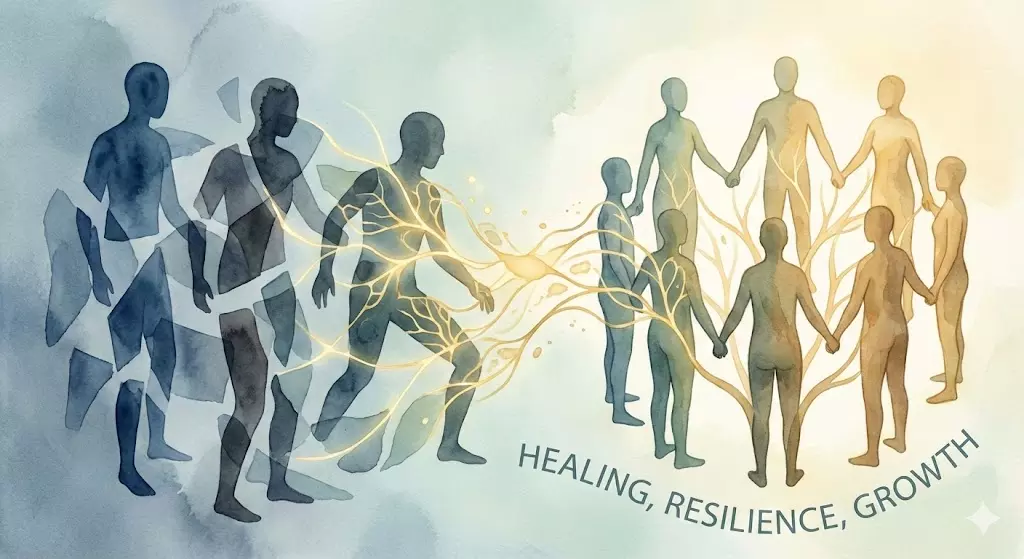
Complex Trauma: A Pathway to Healing and Growth
Why Complex Trauma Matters to Modern Organizations
Complex trauma is not only a clinical concept—it is a strategic concern for organizations operating in high-pressure, people-centered environments. Businesses in healthcare, social services, education, and corporate sectors increasingly recognize that unresolved trauma affects leadership effectiveness, workforce stability, and organizational performance.
Unlike single-incident trauma, complex trauma develops over time through repeated exposure to adverse experiences. Its effects often surface in the workplace as burnout, disengagement, emotional dysregulation, or difficulty with trust and collaboration.
For business leaders, HR professionals, and behavioral health executives, understanding complex trauma is no longer optional. It is foundational to building resilient teams, ethical care models, and sustainable growth.
This article provides a structured, evidence-informed overview of complex trauma and outlines practical pathways toward healing and organizational well-being.
What Is Complex Trauma?
Complex trauma refers to prolonged, repeated exposure to traumatic experiences, often occurring during early development but not limited to childhood.
Key Characteristics of Complex Trauma
- Occurs over months or years
- Often involves interpersonal harm (neglect, abuse, exploitation)
- Impacts emotional regulation, identity, and relationships
- Frequently coexists with systemic or environmental stressors
From a clinical perspective, complex trauma differs from acute trauma in both presentation and treatment approach.
Complex Trauma vs. PTSD: A Clear Distinction
While often discussed together, complex trauma and PTSD are not interchangeable.
PTSD Typically Involves:
- A single traumatic event
- Clear onset and identifiable trigger
- Symptoms such as flashbacks, hypervigilance, and avoidance
Complex Trauma Often Includes:
- Chronic emotional distress
- Difficulty with self-worth and boundaries
- Persistent relational challenges
- Long-term nervous system dysregulation
This distinction is why many individuals seek support from a complex PTSD therapist rather than a general trauma provider.
How Complex Trauma Shows Up in the Workplace
Complex trauma does not stay confined to personal life. It frequently impacts professional environments, especially in high-stress or care-oriented industries.
Common Workplace Indicators
- Emotional overreactions or withdrawal
- Difficulty receiving feedback
- High absenteeism or turnover
- Chronic fatigue and burnout
- Challenges with authority or trust
For organizations, these patterns can affect productivity, compliance, and team cohesion.
The Business Case for Trauma-Informed Leadership
Trauma-informed organizations do not diagnose employees—but they design systems that reduce harm and promote psychological safety.
Benefits of Trauma-Informed Practices
- Improved employee retention
- Reduced burnout and sick leave
- Stronger leadership credibility
- Enhanced client and patient outcomes
- Lower risk of ethical or compliance failures
Global organizations increasingly integrate trauma awareness into leadership development, DEI initiatives, and mental health strategies.
Pathways to Healing: Evidence-Based Approaches
Healing from complex trauma requires specialized, long-term support. Quick fixes or surface-level wellness programs are rarely effective.
Clinical Interventions Commonly Used
- Somatic-based therapies
- Attachment-focused modalities
- Trauma-informed cognitive therapies
- Skills-based emotional regulation training
Working with a qualified complex trauma therapist ensures that treatment aligns with the individual’s developmental history and nervous system needs.
Why Specialized Trauma Care Matters
Not all mental health providers are trained in complex trauma. The depth and duration of symptoms require advanced expertise.
What Sets a Complex PTSD Therapist Apart
- Training in developmental trauma
- Understanding of attachment dynamics
- Ability to pace therapy safely
- Focus on stabilization before processing
This is why many professionals search for a complex PTSD therapist near me, prioritizing access to specialized care rather than general counseling.
Organizational Strategies That Support Healing
Businesses can play a meaningful role without crossing clinical boundaries.
Actionable Organizational Practices
Leadership Education
Train leaders to recognize trauma-informed communication patterns.
Psychological Safety Policies
Encourage respectful feedback and clear boundaries.
Access to Specialized Care
Partner with providers offering complex trauma expertise.
Flexible Work Structures
Allow accommodations that support nervous system regulation.
Ethical Workforce Support
Normalize mental health support without stigma.
These practices benefit not only affected individuals but the organization as a whole.
Global Considerations for Complex Trauma Care
Complex trauma exists across cultures, industries, and regions. However, expressions of trauma and healing pathways vary globally.
Culturally Neutral Best Practices
- Avoid assumptions about trauma sources
- Respect cultural interpretations of mental health
- Focus on universal principles: safety, dignity, trust
- Partner with providers familiar with regional contexts
This approach ensures global relevance while maintaining clinical integrity
.
Long-Term Growth After Complex Trauma
Healing from complex trauma is not about returning to a previous state—it is about growth, integration, and resilience.
Potential Outcomes of Effective Support
- Improved emotional regulation
- Stronger relational capacity
- Increased leadership confidence
- Enhanced ethical decision-making
- Sustainable professional engagement
Organizations that understand this journey are better positioned to retain talent and foster long-term success.
Read: Top Orthopedic Treatments Offered at Ginni Devi Hospital
Conclusion: A Strategic Opportunity for Modern Organizations
Complex trauma is a reality across industries and borders. Addressing it thoughtfully is both a human responsibility and a strategic advantage.
By understanding the nature of complex trauma, supporting access to qualified care, and embedding trauma-informed principles into organizational systems, businesses create environments where individuals and enterprises can thrive together.
Healing and growth are not opposing goals—they are interconnected pathways forward.
FAQs
What is complex trauma and how does it differ from PTSD?
Complex trauma involves prolonged exposure to distressing experiences, often impacting emotional regulation and identity, whereas PTSD usually results from a single traumatic event.
How can organizations support employees affected by complex trauma?
Organizations can adopt trauma-informed leadership, provide access to specialized mental health resources, and foster psychologically safe work environments.
When should someone seek a complex trauma therapist?
Individuals experiencing long-term emotional distress, relational challenges, or chronic stress patterns may benefit from working with a complex trauma therapist.
Why is it important to work with a complex PTSD therapist?
A complex PTSD therapist has specialized training to address developmental and relational trauma safely and effectively.
Is searching for a “complex PTSD therapist near me” important?
Yes. Proximity can improve access, consistency, and collaboration with local or regional support systems, especially for long-term care.