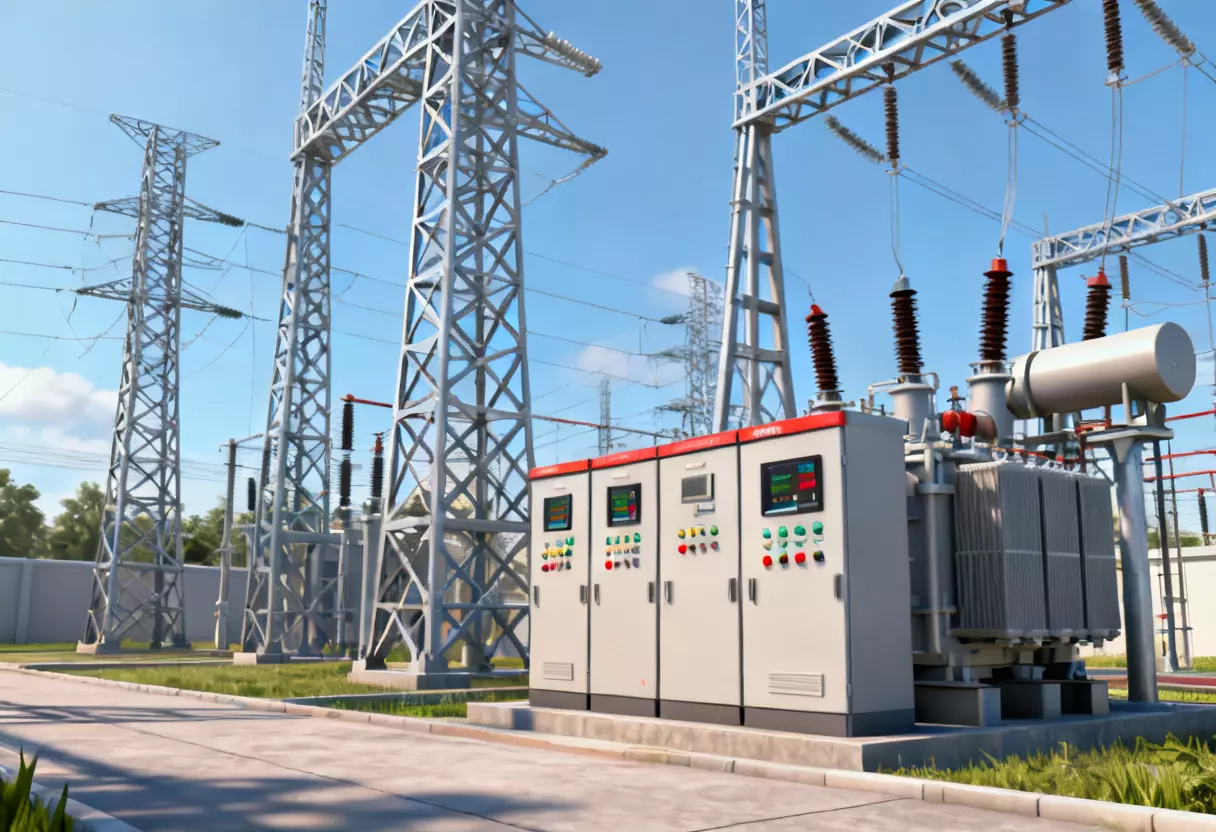
Complete Guide to Electrical Substation Design & Layout
Electrical substations are the backbone of modern power systems, enabling efficient transmission, distribution, and control of electrical energy.
A well-planned substation ensures safety, reliability, and long-term operational performance.
In this guide, we explore the complete engineering approach to substation design and layout, covering key principles, components, safety considerations, and practical engineering practices used in the industry.
1. Understanding Electrical Substation Fundamentals
An electrical substation is a critical node in the power network where voltage levels are transformed, circuits are controlled, and protection systems are implemented.
The primary purpose of a substation is to ensure that electricity is delivered efficiently from generation plants to end users with minimal losses.
At its core, the design of electrical substation involves selecting appropriate equipment such as transformers, circuit breakers, isolators, busbars, and protection relays.
Each component must be carefully coordinated to maintain system stability and reliability.
Substations are generally classified into transmission, distribution, and switching types, depending on their function within the grid. Understanding these basics is essential before moving into detailed engineering design.
2. Key Principles of Substation Layout Design
The layout design plays a major role in determining the efficiency and safety of the entire system. A well-structured substation layout ensures proper spacing, easy maintenance access, and safe operation.
Engineers consider several factors when designing the layout:
- Equipment spacing and clearance requirements
- Fault level handling capability
- Future expansion possibilities
- Ease of maintenance and inspection
- Environmental and site constraints
A good layout minimizes electrical hazards and improves operational efficiency. In modern projects, digital modeling tools are often used for accurate planning and simulation before construction begins.
The substation design build process integrates engineering, procurement, and construction into a single coordinated workflow, ensuring that design decisions align with on-site implementation.
3. Major Components of a Substation System
A substation consists of multiple interconnected components that work together to ensure safe and stable power distribution.
Transformers
Transformers are responsible for stepping up or stepping down voltage levels based on system requirements.
Circuit Breakers
These devices automatically interrupt current flow during faults, protecting equipment and personnel.
Busbars
Busbars distribute electrical power across different circuits within the substation.
Protection and Control Systems
Relays and control panels continuously monitor system performance and isolate faulty sections when necessary.
Grounding System
A properly designed grounding system ensures safety by preventing dangerous voltage buildup.
Each component must be selected and integrated carefully to maintain system reliability and operational safety.
4. Engineering Considerations in Substation Design
Designing a substation requires a combination of electrical, civil, and mechanical engineering expertise. Engineers must evaluate multiple technical parameters before finalizing the design.
Key considerations include:
- Load flow analysis and system stability
- Short circuit calculations
- Thermal performance of equipment
- Insulation coordination
- Lightning protection systems
Environmental factors such as temperature, humidity, and seismic conditions also influence the final design. In high-risk zones, additional safety measures are incorporated to ensure uninterrupted operation.
The design of electrical substation is not just about placing equipment; it is about creating a fully integrated system that performs reliably under all operating conditions.
5. Safety Standards and Reliability Factors
Safety is the most critical aspect of substation engineering. A poorly designed system can lead to catastrophic failures, equipment damage, or even human injury.
To ensure safety, engineers follow international standards such as IEC, IEEE, and local grid codes. These standards define minimum requirements for insulation levels, grounding resistance, and protection coordination.
Reliability is equally important. A reliable substation ensures continuous power supply even during fault conditions or maintenance activities.
Redundancy in critical systems, proper load distribution, and automated protection schemes enhance system reliability.
Modern substations also integrate SCADA systems for real-time monitoring and remote operation, improving both safety and performance.
Read: Why Wolverine Electrical is Your Trusted Partner for Complete
6. Modern Trends in Substation Engineering
With the advancement of smart grid technologies, substation design is evolving rapidly. Digital substations are becoming more common, replacing traditional copper wiring with fiber-optic communication systems.
Some key modern trends include:
- Digital protection and control systems
- GIS (Gas Insulated Substations) for compact design
- Remote monitoring and automation
- AI-based predictive maintenance
- Eco-friendly and sustainable designs
These innovations improve efficiency, reduce maintenance costs, and enhance system reliability. In large-scale projects, a modern substation substation configuration may include multiple interconnected units for better load management and redundancy.
Conclusion
Electrical substation design and layout is a highly technical and critical process that requires careful planning, engineering expertise, and adherence to safety standards.
From selecting equipment to optimizing layout and integrating advanced protection systems, every step plays a vital role in ensuring efficient power delivery.
A well-executed substation not only improves system performance but also enhances safety, scalability, and long-term operational reliability.
Whether it is a transmission hub or a distribution facility, proper engineering ensures that the power network remains stable and future-ready.
At Keentel Engineering, we focus on delivering optimized and reliable solutions for modern power systems, ensuring that every substation meets the highest standards of performance and safety.