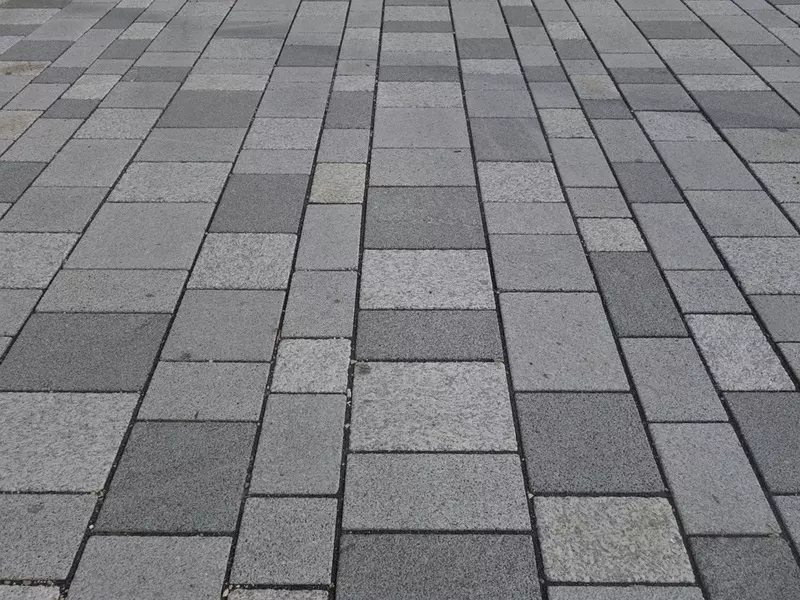
Complete Checklist For Installing Permeable Paving
Have you ever wondered how to tackle big puddles in your driveway after a heavy downpour? Or perhaps you’ve been looking for a way to minimise water runoff around your property while also adding a stylish, functional surface? If so, permeable paving might be just what you need, especially for Melbourne’s diverse climate.
In this guide, we’ll explore the ins and outs of permeable paving, from the different types of porous surfaces to the finer details of installation and maintenance. We’ll also discuss how these solutions help with environmental compliance, stormwater management, and council regulations. By the end, you’ll have the confidence and know-how to plan your own permeable paving project—whether you’re upgrading a commercial space or simply sprucing up your home.
Introduction To Permeable Paving In Melbourne
What Is Permeable (Porous) Paving And How Does It Work?
Permeable paving, often referred to as porous pavement, is a method of laying down a surface that allows water to soak through rather than pool on top. This type of paving is made up of materials with small gaps or spaces, promoting natural drainage into the ground below. Porous surfaces can feature gravel, special paving grids, or even interlocking bricks with drainage joints.
In Melbourne, permeable paving has gained popularity for both residential driveways and commercial car parks. It’s also found in garden patios and public walkways. The aim is simple: let water sink into the soil to limit run-off and reduce the strain on stormwater systems.
Benefits Of Permeable Paving In Australia
One major benefit is flood reduction, especially in areas prone to storms or heavy rainfall. By guiding water back into the earth, permeable surfaces lower the risk of waterlogging and help maintain healthier soil. Permeable paving cost per m2 can be a bit higher than basic asphalt, but the long-term environmental gains make it an appealing choice.
Another advantage is pollution control. Runoff can pick up pollutants like oil or debris from traditional paving. By using porous driveway surfaces, you effectively filter out many of these substances as water trickles through layers of aggregate or sand, sparing local waterways from contamination.
Cost Factors And Budget Planning
How Much Does Permeable Paving Cost Per Square Metre In Australia?
When researching permeable paving cost per square metre, you’ll see a wide range. Some systems might cost around $50 per m², while others can climb beyond $100 per m², depending on materials and labour. Factors like site accessibility, drainage complexity, and base preparation will also influence the final figure.
Most suppliers offer estimates that consider both material and installation charges. To create a realistic budget, obtain several quotes, and compare not just the numbers but also the quality and longevity of each offering. Cheaper isn’t always better, especially if you need a durable surface for vehicles or public use.
Pervious Pavers Cost Vs. Traditional Paving Materials
Traditional asphalt or concrete can be cheaper up front. However, permeable solutions can save money in the long run by helping you avoid extra drainage features or dealing with issues like water damage and soil erosion.
While pervious pavers cost more initially, they often reward you with reduced maintenance and improved sustainability. If you’re thinking about a driveway that won’t need frequent repairs or cause runoff problems, it might be worth the higher investment now to prevent headaches later.
Step-By-Step Installation Guide
Excavation And Base Preparation
To start, mark out the perimeter of your future paved area. Then excavate down to a depth that allows for your base layers—usually gravel, sand, or geotextile membranes, depending on the system chosen. Make sure the sub-base is level and compacted so it can handle the load you expect.
During excavation, watch for tree roots or utility lines that might require adjustments to your design. It’s also smart to organise any necessary equipment (like mini-diggers) or extra hands to help with this step, especially if you’re aiming for a larger installation.
Installing Porous Paving Grids Or Interlocking Concrete
If you’re using porous paving grids, place them firmly on the prepared sub-base. They should lock together securely, creating a grid that’s ready to be filled with gravel or topsoil. For interlocking concrete blocks, follow the manufacturer’s guidelines for spacing, ensuring each paver fits snugly without wobbling.
Keep a keen eye on alignment. Misaligned grids or blocks can reduce structural stability and create drains that don’t function properly. Taking the time to position your paving precisely will save you from headaches later.
Layering And Compaction Techniques
Each type of permeable paving has its own layering process. For gravel-based systems, you might lay a series of sized aggregates, starting with larger crushed stones at the bottom and finer stones near the top. When it comes to porous asphalt pavement design, a specialised asphalt mix with voids is applied as the top layer.
Throughout the layering process, compact each layer carefully. Proper compaction boosts the load-bearing capacity and stops the surface from shifting under the stress of vehicles or foot traffic. Try not to over-compact though—you don’t want to close up the pores that let water drain through.
Environmental Benefits And Compliance
Stormwater Management And Flood Reduction
Melbourne’s fickle weather can bring torrential downpours one day and blazing sunshine the next. With permeable pavement, excess water drains back into the ground, helping mitigate localised flooding. This also eases the pressure on stormwater systems, reducing the risk of overflowing drains.
In many parts of Australia, councils encourage water-sensitive urban design to preserve local waterways. Installing porous paving Melbourne solutions aligns perfectly with these goals, plus it visually upgrades your property.
Permeable Paving Detail And Council Approvals
Council approvals often hinge on ensuring enough water can soak into the ground to prevent burdening local drainage networks. You might need to demonstrate how your new driveway or pathway meets permeable paving detail requirements. This often entails providing technical documents or designs that show infiltration rates, base layers, and any overflow management systems.
When carried out properly, planning approvals can be quite smooth. Many councils appreciate the environmental benefits of permeable pavement australia installations, so they may actively support such projects as part of local sustainability efforts.
Conclusion
Choosing to install permeable paving in Melbourne is more than just a trend—it’s a wise move for sustainability, safety, and curb appeal. Whether you opt for interlocking concrete pavement, porous paving grids, or permeable asphalt, each option boils down to the same principles: better drainage, less runoff, and a surface that blends beauty with functionality.
It’s especially fitting for Australia’s diverse weather patterns, helping you manage stormwater without resorting to elaborate drainage systems.