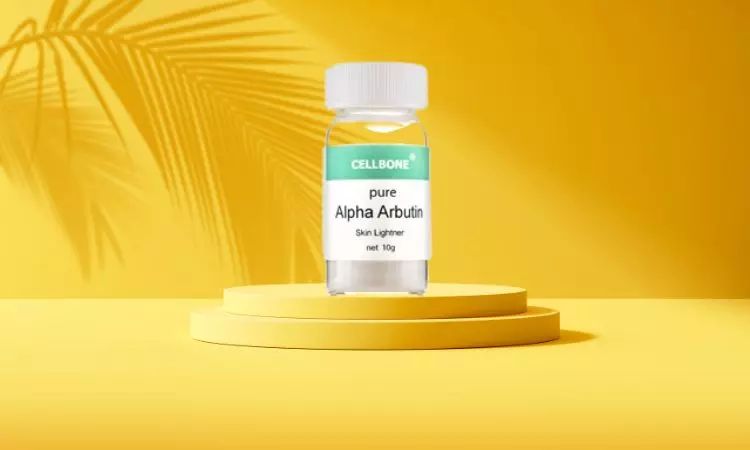
Common Skin Concerns Alpha Arbutin Powder Can Address
If you’ve been battling stubborn dark spots, uneven tone, or skin that just refuses to look clear no matter how consistent your routine is, alpha arbutin powder is probably already on your radar. And for good reason.
This has quietly built a reputation as one of the most reliable brightening agents in modern skincare. It’s not flashy, it doesn’t tingle, and it doesn’t promise overnight miracles.
What it does offer is steady, science-backed improvement for some of the most common complexion concerns people deal with every day.
What is Alpha Arbutin and Why Does it Matter
Alpha arbutin is a naturally derived compound often sourced from bearberry plants. In skincare, it’s prized for its ability to gently regulate melanin production. That’s the pigment responsible for skin color and, when overproduced, discoloration.
Unlike harsher brightening agents, alpha arbutin works without aggressively stripping or inflaming the skin. That’s a big deal. Many people want clearer, more even skin but don’t want to deal with irritation, redness, or long recovery periods. This ingredient offers a more balanced approach.
Because it’s often used in powdered form, alpha arbutin powder gives formulators flexibility. It can be precisely dosed, blended into serums, or combined with other supportive ingredients for targeted results.
How Alpha Arbutin Works Beneath the Surface
To understand what alpha arbutin does, it helps to know how dark spots form. When your skin experiences inflammation, UV exposure, or trauma like acne, melanocytes produce extra pigment. That pigment rises to the surface and lingers as discoloration.
Alpha arbutin interferes with the enzyme tyrosinase, which plays a key role in melanin production. Instead of bleaching existing pigment, it slows down the process that creates excess pigment in the first place.
Over time, this leads to a more even tone as your skin naturally renews itself.
This gradual mechanism is why results feel subtle at first but improve steadily with consistent use.
Common Skin Concerns Alpha Arbutin Can Help Improve
Hyperpigmentation and Dark Spots
This is where alpha arbutin shines the most. Whether dark spots come from acne, sun exposure, or hormonal changes, consistent use helps them fade over time.
Because it targets pigment formation rather than surface exfoliation, it’s suitable for long-term use.
Uneven Skin Tone
Skin that looks patchy or dull often suffers from uneven pigment distribution. Alpha arbutin helps smooth out those tonal inconsistencies so your complexion looks clearer and more uniform, even without makeup.
Post-Acne Marks
Post-inflammatory hyperpigmentation is one of the most frustrating acne leftovers. Alpha arbutin doesn’t treat active breakouts, but it helps prevent lingering marks from overstaying their welcome once blemishes heal.
Sun-Induced Discoloration
UV exposure is one of the biggest triggers for pigmentation issues. Alpha arbutin supports recovery from sun damage while helping prevent new discoloration when paired with daily sunscreen.
Melasma-Prone Skin
Alpha arbutin is often recommended because it’s gentle enough for extended use. While it’s not a cure, it can be part of a broader routine aimed at managing pigment flare-ups.
How to Use Alpha Arbutin Powder Safely
When working with alpha arbutin powder, concentration matters. Most formulas stay within a 1-2% range to ensure stability and effectiveness. Higher concentrations don’t necessarily mean faster results and may increase sensitivity.
Apply it to clean skin, preferably after cleansing and before heavier creams. It works well in both morning and evening routines, though many people prefer nighttime use for consistency.
Sunscreen is non-negotiable. Brightening ingredients and sun exposure don’t mix well without protection.
Pairing Alpha Arbutin With Other Actives
Alpha arbutin plays well with hydrating and barrier-supporting ingredients. Hyaluronic acid, ceramides, and peptides all help reinforce skin health while pigment correction happens in the background.
As your routine matures, you might also introduce antioxidant-based products like a resveratrol face serum. Antioxidants help neutralize environmental stressors that trigger pigmentation in the first place, making them a smart companion for brightening routines.
Here’s a simple compatibility snapshot:
Ingredient Type
Works Well With Alpha Arbutin
Hydrators
Yes
Antioxidants
Yes
Retinoids
With caution
Strong exfoliants
Limited use
Who Should and Shouldn’t Use Alpha Arbutin
Alpha arbutin is suitable for most skin types, including sensitive and acne-prone skin. It’s especially helpful if you’ve had issues tolerating stronger brightening agents.
Those with extremely compromised skin barriers should focus on repair first, then introduce alpha arbutin gradually. As always, patch testing is a smart move.
Read: Your Best Skin A Guide to Richmond's Premier Skin Clinics
Conclusion
Alpha arbutin has earned its place as a dependable solution for pigmentation-related concerns. By targeting melanin production gently and consistently, alpha arbutin helps improve dark spots, uneven tone, and post-acne marks without putting unnecessary stress on the skin.
When used correctly and paired with supportive products like antioxidants and sun protection, it fits seamlessly into both beginner and advanced skincare routines.
Frequently Asked Questions
How long does alpha arbutin take to work?
Most people notice visible improvement in 4-8 weeks with consistent use.
Can alpha arbutin be used daily?
Yes, it’s designed for daily use when formulated correctly.
Is alpha arbutin safer than hydroquinone?
It’s considered a gentler alternative with a lower risk of irritation.
Does alpha arbutin lighten natural skin tone?
No. It targets excess pigment, not your natural complexion.
Is alpha arbutin suitable for sensitive skin?
Generally yes, which is why it’s popular among users prone to irritation.