Common Causes of Wall Leakage in Homes (And Why It Shouldn’t Be Ignored)
Wall leakage is one of the most common problems homeowners face, yet it is often overlooked until the damage becomes difficult to manage. It usually starts small.
A faint damp patch appears in a corner. Paint begins to bubble slightly. In some cases, a mild musty smell develops in the room. These early signs are easy to ignore, especially when they don’t seem urgent.
However, wall leakage is rarely a surface-level issue. It often indicates that moisture has already entered the structure and is gradually spreading within the walls.
How Wall Leakage Begins
There are several reasons why walls begin to absorb moisture over time.
One of the most common causes is the presence of small cracks in exterior walls or rooftops. These cracks may develop due to weather exposure, temperature changes, or natural wear in construction materials.
During rainfall, water finds its way through these openings and slowly seeps into the walls. Another common cause is poor waterproofing during the initial construction or lack of maintenance over the years.
Without proper protection, walls remain vulnerable to moisture infiltration.
Internal Factors That Contribute to Leakage
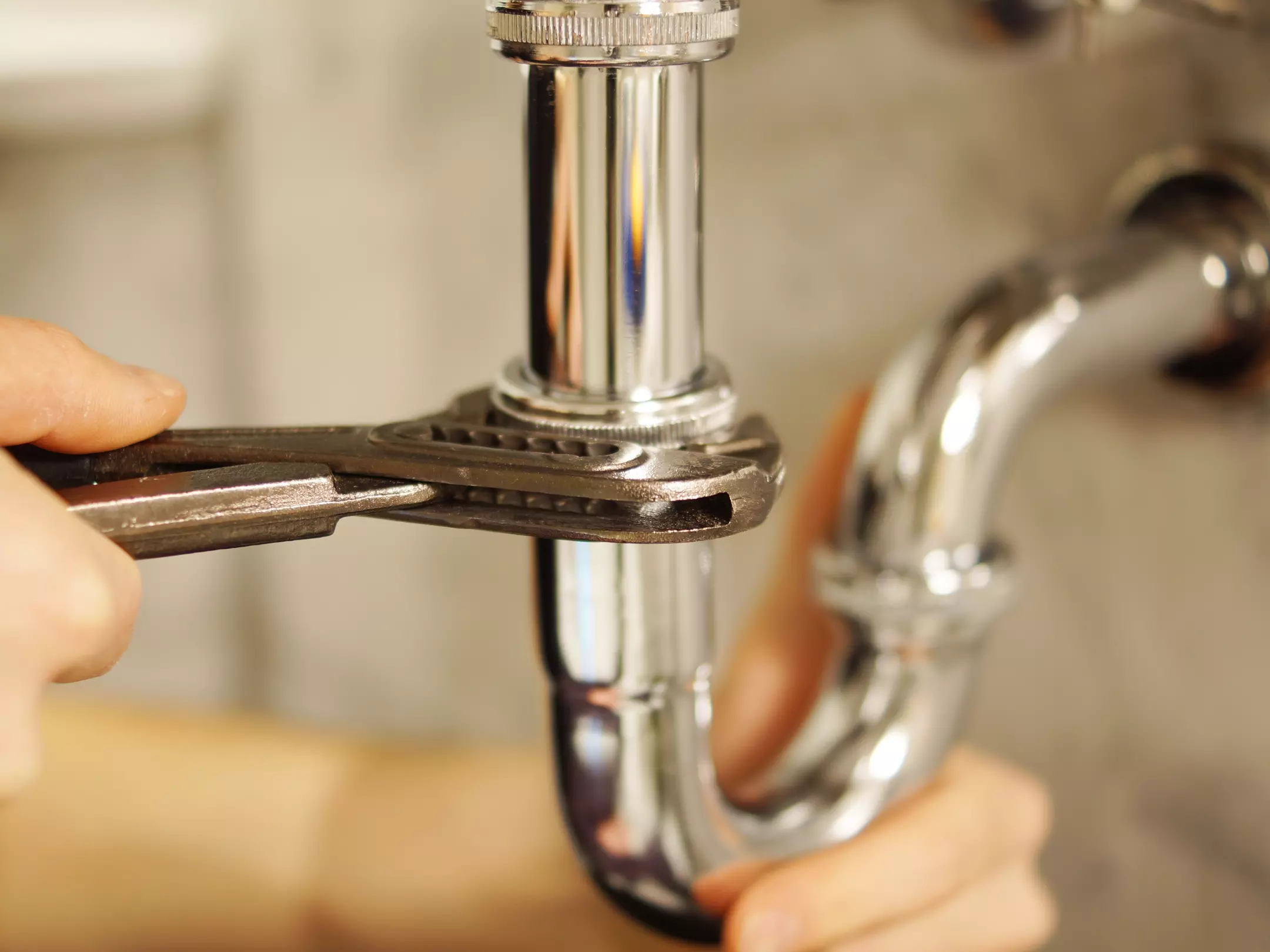
Not all wall leakage comes from outside. In many homes, internal plumbing issues also play a role. Leaking pipes, damaged drainage systems, or poorly sealed bathrooms can allow water to spread behind walls without being immediately visible.
This type of leakage often goes unnoticed for longer periods, making it more damaging over time.
Why Wall Leakage Gets Worse Over Time
Moisture does not stay confined to one area. Once it enters a wall, it spreads through the plaster and affects surrounding surfaces.
This leads to visible damage such as peeling paint, discoloration, and weakened wall structure. If ignored, the problem can result in repeated repairs, as surface fixes do not address the root cause.
Read: Is Reddit Down? A Complete Guide to Outages, Causes, and
The Importance of Early Detection
Identifying wall leakage early can prevent extensive damage.
Regular inspection of walls, especially before and after the rainy season, helps detect small issues before they turn into larger problems.
Paying attention to signs such as damp patches, unusual odors, or paint damage can make a significant difference.
Homeowners who take early action often avoid the cost and inconvenience of major repairs later.
Preventing Wall Leakage Effectively
Preventing wall leakage requires a combination of proper maintenance and protective solutions. Exterior walls, rooftops, and moisture-prone areas should be treated with reliable waterproofing methods.
Addressing structural cracks and ensuring proper sealing can significantly reduce the risk of water entering the building.
Many homeowners choose professional roof waterproofing solutions to protect their homes from long-term moisture damage.
Final Thoughts
Wall leakage may begin as a minor inconvenience, but it rarely remains one.
What starts as a small damp patch can develop into a much larger issue affecting both the appearance and structure of a home.
Addressing the problem early and taking preventive measures ensures that homes remain safe, comfortable, and protected from long-term damage.