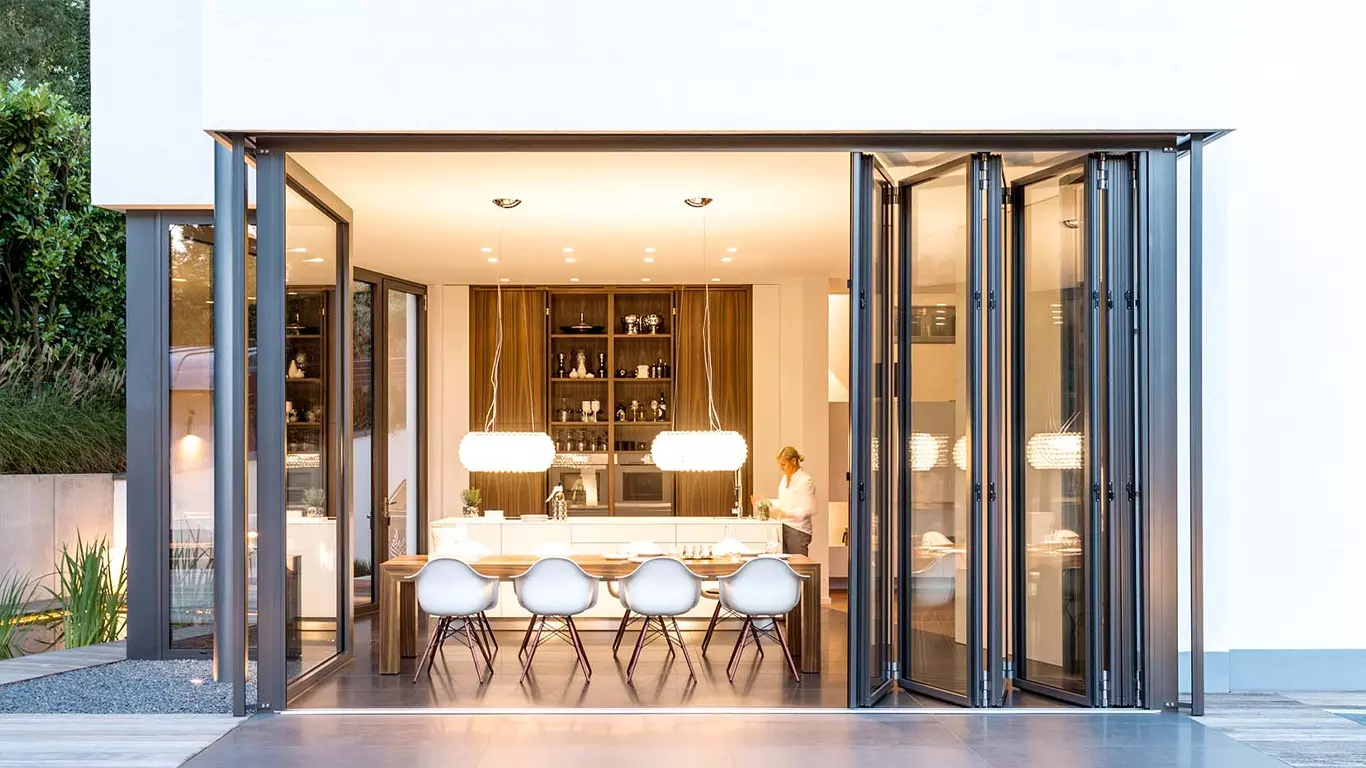
Commercial Folding Doors: Maximizing Space and Flexibility for Your Business
Introduction
In the evolving world of architecture and commercial space planning, flexibility, aesthetics, and functionality have become paramount. One of the essential components that blend all these elements is commercial folding doors. These doors, known for their versatility and space-saving benefits, have increasingly become popular in various industries from retail and hospitality to industrial and office environments.
This comprehensive guide explores everything you need to know about commercial folding doors, including types, benefits, materials, applications, installation tips, and maintenance.
Commercial folding doors have become a popular choice in modern architecture and design, particularly in commercial spaces such as offices, restaurants, retail stores, hospitals, and industrial facilities. These doors offer a combination of functionality, space efficiency, aesthetics, and versatility that traditional doors often lack.
In this comprehensive guide, we’ll explore everything you need to know about commercial folding doors from types and materials to benefits, applications, installation, and maintenance.
1. What Are Commercial Folding Doors?
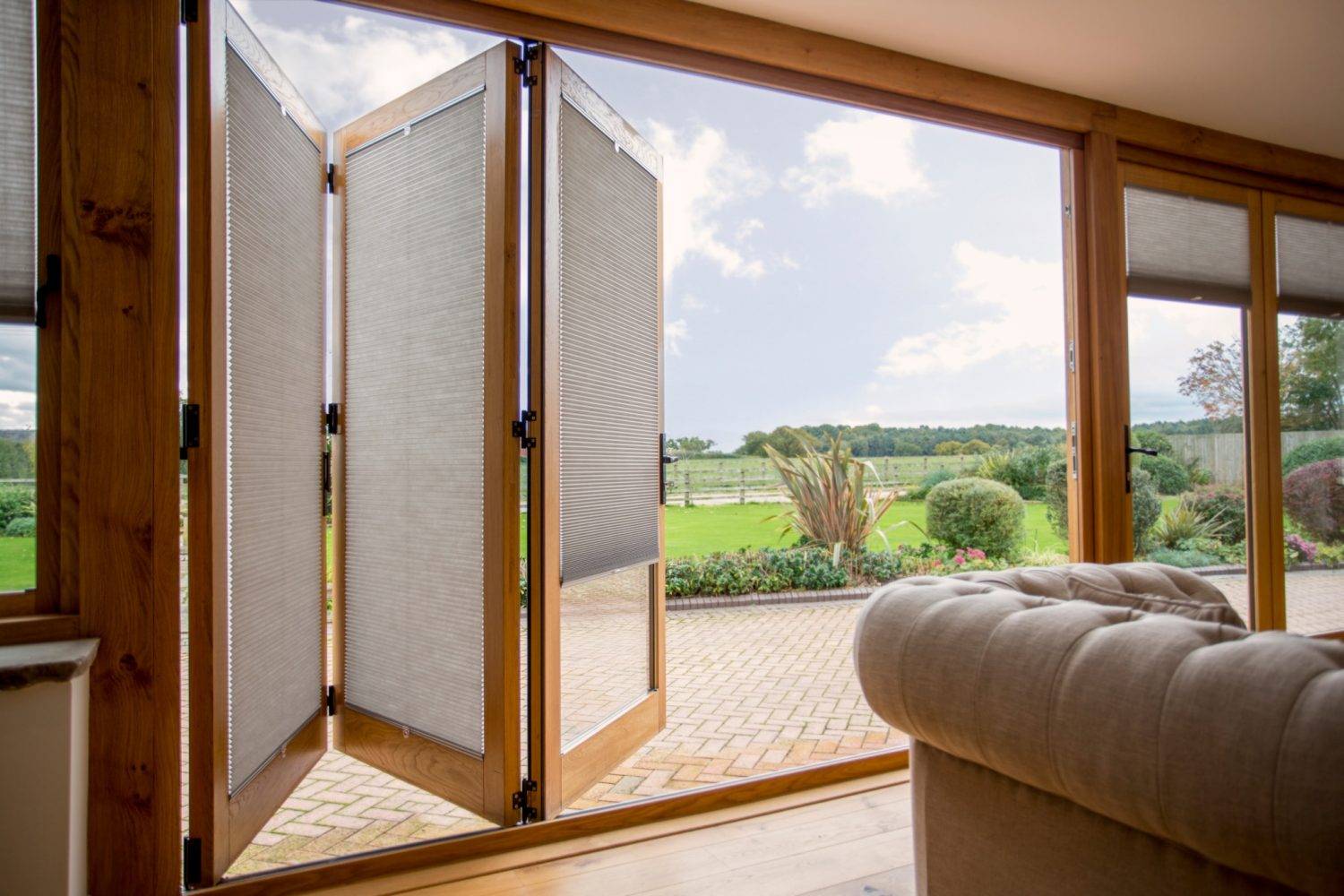
Commercial folding doors, also known as accordion doors or bi-fold doors, are systems composed of multiple panels that fold or slide open along a track. They allow for wide openings, flexible space utilization, and smooth transitions between indoor and outdoor or adjacent areas.
These doors are particularly favored in commercial settings due to their ability to optimize space, provide noise separation, and offer visual appeal.
2. Types of Commercial Folding Doors
1. Bi-Fold Doors
Open by folding in pairs.
Common in retail and restaurant settings.
Typically made of glass or aluminum.
2. Accordion Doors
Feature narrow panels that fold like an accordion.
Ideal for dividing interior spaces like conference rooms or banquet halls.
Available in soundproof versions.
3. Sliding Folding Doors
Combine sliding and folding mechanisms.
Often used for large openings in commercial buildings.
4. Glass Folding Doors
Offer transparency and aesthetics.
Used in high-end retail stores, cafes, and showrooms.
5. Industrial Folding Doors
Heavy-duty versions for warehouses, factories, and garages.
Built to withstand harsh environments.
3. Materials Used in Commercial Folding Doors
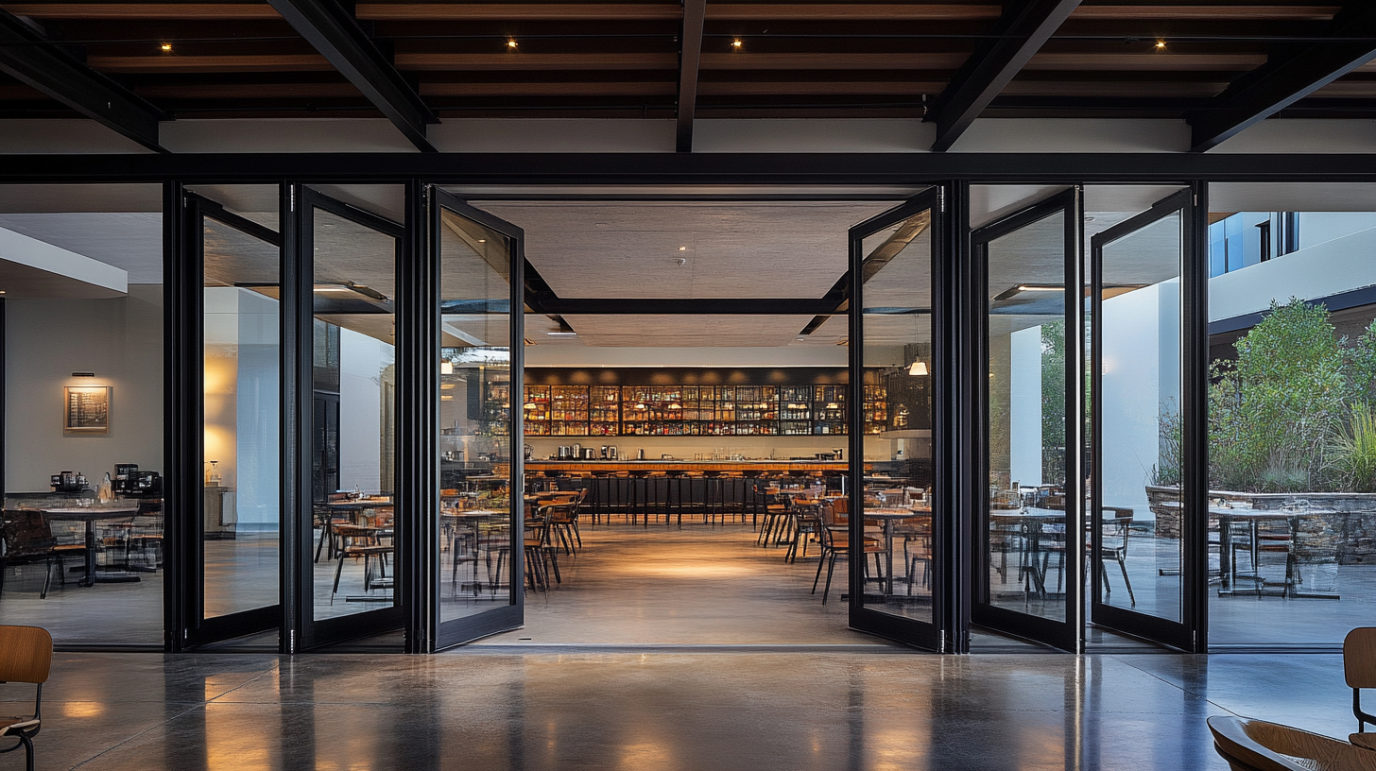
The material of a folding door determines its durability, insulation, maintenance needs, and appearance.
1. Aluminum
Lightweight, rust-resistant, and modern.
Suitable for outdoor and indoor commercial applications.
Supports large glass panes.
2. Glass
Often used in combination with aluminum frames.
Offers natural light and visibility.
Can be tempered, frosted, or tinted for safety and privacy.
3. Wood
Adds warmth and elegance.
Common in hotels, conference rooms, and traditional restaurants.
Requires more maintenance.
4. Vinyl and PVC
Budget-friendly and lightweight.
Good for temporary partitions and indoor use.
5. Steel
Extremely durable and secure.
Preferred in industrial and high-security environments.
4. Benefits of Commercial Folding Doors
1. Space Optimization
Folding doors take up minimal space when opened, making them ideal for small or multifunctional commercial areas.
2. Versatility
They can be used as full room dividers, entry doors, or temporary partitions depending on the design.
3. Aesthetic Appeal
Available in a variety of finishes, commercial folding doors can enhance the overall look and feel of a space.
4. Natural Light
Glass folding doors allow for the free flow of natural light, reducing energy costs and enhancing ambiance.
5. Flexibility
Spaces can be opened up or closed off easily depending on operational needs (e.g., during peak hours or events).
6. Energy Efficiency
High-quality doors with proper seals help in temperature regulation and reduce HVAC costs.
7. Sound Control
Many folding doors offer acoustic insulation, useful in offices, hotels, or any environment requiring sound privacy.
5. Common Applications of Commercial Folding Doors
1. Restaurants and Cafes
Create seamless indoor-outdoor dining areas.
Provide flexibility during changing weather or seasons.
2. Retail Stores
Maximize storefront visibility.
Allow full opening for customer access or deliveries.
3. Conference Rooms
Divide large meeting areas into smaller rooms.
Soundproof models maintain privacy.
4. Hotels and Hospitality
Used for ballrooms, banquet halls, and lobbies.
Provide flexibility in room configurations.
5. Hospitals and Healthcare Facilities
Easy to clean and operate.
Offer privacy and accessibility.
6. Educational Institutions
Divide classrooms or assembly halls.
Allow quick changes in space usage.
7. Industrial Warehouses
Heavy-duty models for loading docks and service bays.
Resistant to impact, weather, and corrosion.
6. Key Features to Consider Before Buying
1. Size and Configuration
Measure the space carefully and choose the appropriate folding mechanism (center-fold, end-fold, top-hung, etc.).
2. Security
Choose doors with strong locking systems and tamper-proof hardware for areas that need high security.
3. Weather Resistance
If used outdoors, ensure doors are weather-sealed to prevent water or wind ingress.
4. Acoustic Performance
Select doors with acoustic ratings if noise control is a priority.
5. Thermal Insulation
Doors with insulated cores or double-glazed glass can help maintain interior temperatures.
6. Customization
Look for manufacturers who offer customizable finishes, colors, and panel sizes.
7. Compliance
Ensure the doors meet local building codes, ADA accessibility standards, and fire safety regulations.
7. Installation of Commercial Folding Doors
Proper installation is critical to performance, safety, and longevity.
Professional Installation Recommended
Involves precise measurements, alignment, and fitting.
Ensures the system works smoothly and safely.
Includes integration with locks, handles, and automation if needed.
Common Steps:
Site inspection and measurements.
Selection of tracks (top-hung or bottom-rolling).
Mounting of tracks and frames.
Hanging and alignment of panels.
Testing and finishing.
8. Maintenance and Care
Regular maintenance ensures smooth operation and extends the life of your folding doors.
Cleaning
Use mild soap and water for frames.
Clean glass with a non-abrasive cleaner.
Lubrication
Apply silicone-based lubricant to tracks and hinges periodically.
Inspection
Check for wear and tear, especially in commercial settings with high foot traffic.
Repairs
Replace damaged seals, rollers, or locks promptly to maintain efficiency and security.
9. Cost of Commercial Folding Doors
Prices vary significantly based on materials, size, brand, and customization.
Average Costs:
Basic accordion vinyl doors: $500 – $1,500
Aluminum/glass folding doors: $2,000 – $10,000+
High-end or industrial folding systems: $10,000 – $25,000+
Additional Costs:
Installation
Custom finishes or automation
Maintenance contracts
10. Top Manufacturers and Brands (Global and Regional)
1.NanaWall
High-quality glass folding systems
Popular in North America and Europe
2.Modernfold
Specializes in operable walls and acoustic folding partitions
3.Sky-Frame
Offers sleek, frameless glass folding solutions
4.LaCantina Doors
Known for contemporary bi-fold doors
5.Dormakaba
Offers commercial-grade folding and partition systems
6.Hufcor
Acoustic and operable partitions for large-scale commercial use
11. Future Trends in Folding Door Technology
1. Smart Doors
Integration with IoT, remote control, and automation systems.
2. Sustainable Materials
Use of recycled aluminum, low-emission finishes, and eco-friendly glass.
3. Minimalist Design
Slim frames, hidden tracks, and large glass surfaces.
4. Enhanced Security
Biometric locks and smart access systems for commercial security.
12. Folding Doors?
Commercial folding doors are large-scale doors made to partition or open up spaces within commercial buildings. They operate by folding panels along a track, allowing them to stack to one or both sides of an opening. These doors are designed to handle frequent use and offer seamless integration between indoor and outdoor areas or between distinct interior zones.
Commonly referred to as accordion doors, bi-fold doors, or folding partitions, they offer flexibility in layout design without compromising aesthetics or performance.
13. Commercial Folding Doors
1. Accordion Doors
Accordion doors are composed of narrow panels connected by hinges that fold like an accordion. They are most commonly used in:
- Schools
- Churches
- Offices
- Conference rooms
These doors are ideal for temporary space division and can be easily moved or stored.
2. Bi-Fold Doors
Bi-fold doors are made of larger panels, usually glass, which fold together in pairs. They are typically used for:
- Storefronts
- Restaurants
- Cafés
- Showrooms
Bi-fold doors offer excellent visibility and natural light, making them a popular choice in customer-facing environments.
3. Industrial Folding Doors
These heavy-duty doors are designed for:
- Warehouses
- Garages
- Factories
- Hangars
Built from steel, aluminum, or reinforced materials, they can withstand harsh environments and heavy traffic.
4. Operable Walls
Technically a type of folding door, operable walls are soundproof movable walls used in:
- Hotels
- Convention centers
- Auditoriums
They are built with acoustic insulation and offer high-level privacy between spaces.
14. Material Affect Door
The choice of material affects the door’s performance, cost, and aesthetics. Common materials include:
1. Aluminum
- Lightweight yet strong
- Corrosion-resistant
- Ideal for modern designs
- Often used with glass panels
2. Steel
- Extremely durable
- Suitable for industrial use
- Requires protective coatings against corrosion
3. Glass
- Often used in bi-fold doors
- Provides transparency and natural light
- Comes in various options like tempered, frosted, or laminated glass
4. Wood or MDF
- Offers a classic appearance
- Common in office or educational settings
- Often used in accordion-style doors
5. Vinyl or PVC
- Cost-effective
- Lightweight
- Available in many colors and patterns
- Best for indoor applications
15. Some of Commercial Folding Doors
1. Space Efficiency
Folding doors stack neatly to the side, leaving the entire opening clear. This is crucial in commercial settings where space
optimization is key.
2. Versatility
They can be used for interior partitions, exterior openings, or even soundproof barriers.
3. Aesthetics
Modern designs offer sleek finishes, glass panels, and customizable colors, enhancing the visual appeal of a space.
4. Natural Light
Glass folding doors allow for excellent light penetration, reducing the need for artificial lighting during daytime.
5. Enhanced Accessibility
Large openings make it easier for foot traffic, machinery, or goods to move freely between areas.
6. Energy Efficiency
Well-insulated doors reduce heat transfer, improving HVAC efficiency and cutting energy costs.
7. Security
Many folding doors come with integrated locking systems, security glazing, and reinforced panels for added safety.
16. Creative of Commercial Folding Doors
1.Retail Stores
Folding glass doors create inviting entrances and showcase products effectively. They can be closed after hours for security without compromising storefront visibility.
2.Restaurants and Cafés
Bi-fold doors allow indoor dining areas to open into patios, creating a seamless transition between spaces.
3.Hotels and Banquet Halls
Operable walls help divide large rooms into smaller event spaces, enhancing usability.
4.ducational Institutions
Accordion doors or partitions enable flexible classroom configurations.
5.Healthcare Facilities
Folding partitions are used in clinics and hospitals to create private examination areas or consultation rooms.
6.Industrial Warehouses
Heavy-duty folding doors enable easy movement of vehicles and materials.
7.Office Buildings
Movable walls can transform open-plan offices into meeting rooms or quiet zones when needed.
17. Design and Customization Options
Modern folding doors come with a wide range of customization options, including:
- Panel sizes
- Glass tinting or frosting
- Color finishes
- Frame designs
- Soundproofing options
- Integrated blinds
- Smart locks and automation
Custom designs can help businesses align their doors with branding or architectural themes.
18. Structural Considerations
1. Structural Requirements
Ensure the wall or ceiling can support the door’s weight. Reinforcements may be needed, especially for large or heavy doors.
2. Track Systems
Proper installation of the top and bottom track is crucial for smooth operation. In high-traffic areas, a top-hung system may be preferred to avoid floor obstructions.
3. Accessibility Compliance
Doors must meet ADA standards for accessibility, including handle heights and door clearances.
4. Weather Resistance
For exterior installations, weather stripping and sealing are essential to prevent air and water infiltration.
5. Safety Features
Soft-close mechanisms, anti-finger pinch systems, and emergency exit functionality are vital for user safety.
19. Routine Care
Routine Checks
Inspect tracks, rollers, and hinges for wear and tear. Tighten loose hardware and lubricate moving parts regularly.
Cleaning
Use non-abrasive cleaners for glass and mild soap solutions for frames. Avoid harsh chemicals that could damage finishes.
Weather Seals
Check seals and gaskets for cracks or damage. Replace them as needed to maintain energy efficiency.
Professional Servicing
Annual professional servicing can extend the door’s lifespan and ensure compliance with safety standards.
20. Cost Factors
The price of commercial folding doors can vary widely based on several factors:
1. Material
Vinyl: $500 – $1,500
Wood: $1,000 – $3,000
Aluminum: $2,000 – $5,000
Glass: $3,000 – $10,000
Steel: $4,000 – $15,000+
2. Size and Configuration
Larger or custom-shaped openings require more panels and hardware, increasing costs.
3. Automation
Motorized or smart locking systems add to the overall cost.
4. Custom Finishes
Custom colors, logos, or embedded blinds can also increase pricing.
5. Installation
Professional installation can cost between $500 and $2,500, depending on complexity and location.
21. Energy Efficiency and Environmental Impact
Energy-efficient folding doors with double or triple glazing, thermal breaks, and airtight seals can:
- Reduce energy bills
- Improve indoor air quality
- Qualify for green building certifications (like LEED)
Many manufacturers also use recyclable materials or eco-friendly production methods.
Security Features
Security is a top priority in commercial buildings. Folding doors can be equipped with:
- Multi-point locking systems
- Shatterproof or laminated glass
- Internal locking mechanisms
- Alarm integration
These features ensure that businesses remain secure while maintaining an open and welcoming appearance during business hours.
22. Popular Brands and Manufacturers
Some of the most trusted commercial folding door brands include:
- NanaWall
- Hufcor
- Panoramic Doors
- Modernfold
- LaCantina
- Raydoor
- ASSA ABLOY
- Fleetwood Windows & Doors
Each brand offers unique solutions for different commercial needs and budgets.
23. Trends in Commercial Folding Door Design (2025 and Beyond)
- Smart doors with remote and app control
- Integration with building automation systems
- Fire-rated folding partitions
- More sustainable materials
- Frameless designs for minimalist aesthetics
- Hybrid doors that combine folding and sliding mechanisms
As design trends shift toward openness, connectivity, and energy efficiency, commercial folding doors continue to evolve to meet those demands.
Conclusion
Commercial folding doors are more than just entryways they are powerful tools in space management, design, and customer experience. Whether you need to divide a banquet hall, open up a restaurant patio, or secure a storefront, folding doors provide an elegant and practical solution.
With numerous options for materials, styles, and configurations, businesses can find a door system that perfectly matches their needs, budget, and branding. By choosing the right product and maintaining it well, a commercial folding door can serve as a durable, attractive, and functional feature for years to come.
Commercial folding doors are a modern solution that combines functionality, aesthetics, and space efficiency. Whether you're looking to improve the layout of a restaurant, divide a large conference room, or install durable entryways in an industrial setting, folding doors offer versatile options tailored to your needs.
By selecting the right type, material, and design and ensuring professional installation and regular maintenance you can enhance both the appearance and utility of any commercial space. visit dzinsights for more informative blolgs.