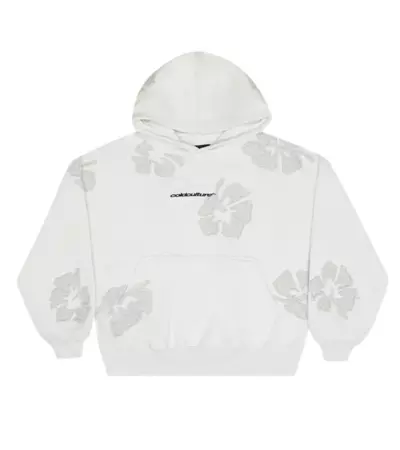
Cold Culture Hoodie Fabric Composition Listed and Fully Explained
Cold Culture builds hoodies with fabric choices that actually matter. The brand doesn't just grab whatever cotton is cheapest and move on. Every material decision affects how the hoodie drapes, wears, and holds up over months.
Buyers who understand fabric composition make smarter purchases. Knowing what's inside the hoodie tells you exactly what to expect from it. This breakdown covers everything worth knowing before spending money.
Cotton Content And Why It Matters Most
Cotton forms the backbone of most Cold Culture hoodies. Higher cotton percentage means softer feel directly against the skin. Ring-spun cotton specifically creates a smoother, stronger yarn overall.
This type of cotton resists pilling far better than standard alternatives. Most quality hoodies sit somewhere between 80 and 100 percent cotton content. leans toward that higher end, which shows in daily wear.
Role Of Polyester In The Fabric Blend
Polyester gets a bad reputation sometimes, but it earns its place here. Adding polyester into cotton creates a more durable, shape-retaining fabric. The hoodie holds its structure after washing far better with polyester present.
Stretch recovery improves too, meaning the fabric bounces back properly. Cold Culture blends usually keep polyester around 20 percent or under. This balance keeps softness intact while adding real practical durability.
French Terry Versus Fleece Construction Explained
Two main fabric constructions appear across Cold Culture hoodie lineup. French terry has loops on the inside, lighter and breathable for warmer days. Fleece uses a brushed interior, creating that thick warm insulation feeling.
Cold weather calls for fleece, milder temperatures suit french terry better. Both constructions use similar cotton-polyester blends underneath though. Choosing between them depends entirely on climate and personal preference honestly.
Fabric Weight And What GSM Actually Means
GSM stands for grams per square meter, measuring how heavy fabric runs. Higher GSM means thicker, heavier, warmer fabric construction overall. Cold Culture hoodies typically fall between 320 and 400 GSM range.
A 380 GSM hoodie feels substantial, structured, and genuinely warm in winter. Lighter GSM options around 280 work better across three season wearing. Checking GSM before buying removes guesswork about warmth and thickness completely.
Read: Cold Culture Hoodie Styles You Need To Try: Astro, Star,
How Fabric Composition Affects Washing And Care
Fabric blend directly determines how a hoodie handles regular washing. High cotton hoodies need cold water to prevent shrinkage over time. Polyester blends tolerate slightly warmer water without major damage occurring.
Air drying always protects the fabric better than machine tumble drying. Heat breaks down cotton fibers faster than most people actually realize. Cold Culture hoodies last significantly longer with gentle consistent care routines.
Why Fabric Composition Justifies Cold Culture Pricing
Premium fabric costs more to source, cut, and construct properly. Cold Culture uses materials that cheaper brands simply skip over entirely. The cotton quality, blend ratio, and GSM all contribute to final price. Buyers sometimes question the cost before understanding what's actually inside.
Once the fabric composition becomes clear, pricing starts making real sense. A well-built hoodie at honest price beats replacing cheaper ones repeatedly.
FAQ
What percentage of cotton do Cold Culture hoodies contain?
Most blends sit between 80 and 100 percent cotton content.
Why is polyester added to cotton hoodies?
Polyester improves durability and helps the hoodie retain its shape.
What does GSM mean on a hoodie?
It measures fabric weight in grams per square meter.
Should Cold Culture hoodies be machine dried?
No, air drying protects fabric quality far longer.
What is the difference between fleece and french terry?
Fleece is warmer, french terry is lighter and more breathable.