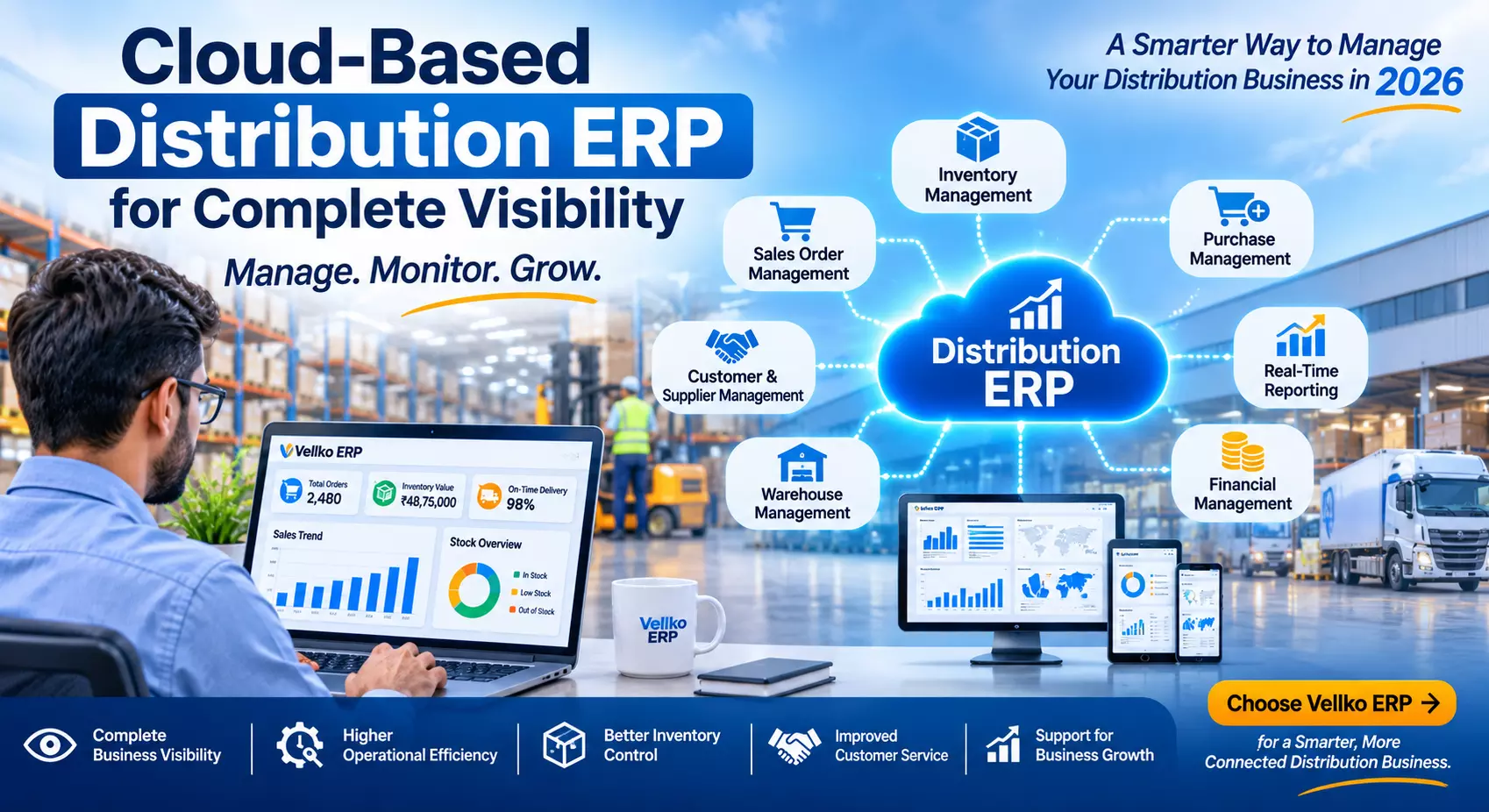
Cloud Based Real Estate ERP Software: The Future of Smart Property Management in 2026
The real estate industry is experiencing significant digital transformation in 2026. Property developers, real estate agencies, construction companies, and property management organizations are looking for smarter ways to manage their business operations.
Handling property information, customer inquiries, project expenses, employee activities, financial records, and vendor transactions requires proper coordination.
When these activities are managed using multiple spreadsheets and disconnected applications, businesses can experience delays, errors, and limited operational visibility.
This is where Cloud Based Real Estate ERP Software can make a difference.
A cloud-based ERP solution connects important business processes through a centralized platform. It helps companies organize their operations, improve information accessibility, and manage daily activities more efficiently.
For businesses looking to modernize their management processes, adopting the right ERP technology can be an important step toward sustainable growth.
Understanding Cloud Based Real Estate ERP Software
Cloud Based Real Estate ERP Software is an integrated business management system designed to help real estate organizations manage different operational activities through cloud technology.
It connects important departments, allowing employees to work with centralized business information instead of depending on separate systems.
Depending on the software, a real estate ERP platform can support:
- Property information management
- Real estate project tracking
- Customer relationship management
- Sales and booking management
- Financial and accounting operations
- Vendor and purchase management
- Document management
- Business reporting and analytics
By bringing these processes together, businesses can reduce information gaps and improve coordination between departments.
Major Challenges in Real Estate Business Management
Real estate companies handle complex operations that require accurate information and consistent communication.
Some common challenges include:
Managing Multiple Property Projects
Developers often work on several projects simultaneously. Each project may have different budgets, timelines, contractors, and resource requirements.
Without centralized information, monitoring project progress can become difficult.
Maintaining Accurate Financial Records
Property transactions involve customer payments, vendor bills, project expenses, and other financial activities.
Disconnected accounting records can make it harder to understand the overall financial position of a business.
Handling Customer Inquiries
Real estate companies receive inquiries from buyers, investors, tenants, and other customers.
Without organized customer records, sales teams may struggle to track communication and follow-up activities.
Managing Property Documentation
Property businesses maintain numerous documents, including agreements, invoices, ownership records, project files, and contracts.
An organized digital documentation process helps employees find important information more easily.
How Cloud ERP Transforms Real Estate Operations
1. Centralized Property Management
Managing property information is a major responsibility for real estate organizations.
Cloud ERP software can help maintain property details, availability records, pricing information, customer details, and transaction histories.
Centralized information allows authorized employees to access relevant property records without searching through multiple systems.
2. Efficient Real Estate Project Tracking
Project management is essential for property developers and construction companies.
An ERP system can help organize project budgets, expenses, milestones, vendor information, and resource requirements.
Managers can use reports to review project progress and identify activities that require attention.
3. Better Customer Relationship Management
Customer satisfaction is important for building long-term relationships in real estate.
CRM functionality helps businesses manage customer inquiries, lead information, communication histories, and follow-up schedules.
Sales teams can maintain organized customer records and improve their response processes.
4. Simplified Financial Operations
Financial management is one of the most important aspects of real estate business operations.
Cloud ERP software can connect financial records with relevant business activities.
It may support:
- Income and expense tracking
- Customer payment management
- Vendor payment records
- Purchase invoices
- Sales invoices
- Accounts receivable
- Accounts payable
- Financial reporting
This helps management maintain better financial visibility.
5. Improved Vendor and Purchase Management
Real estate development requires coordination with suppliers, contractors, and service providers.
ERP software can help businesses manage supplier information, purchase orders, procurement records, and vendor transactions.
Better purchasing organization can support project planning and cost management.
6. Digital Document Management
Managing property agreements, invoices, project documents, and customer records manually can consume significant time.
A suitable ERP system can provide centralized digital document management with access controls.
This makes business documentation more organized and easier to retrieve.

7. Better Business Reporting
Business owners need accurate information to understand performance and make decisions.
ERP reporting can provide insights into project expenses, sales performance, outstanding payments, purchasing activities, and financial operations.
Centralized reports help managers evaluate business activities without depending entirely on manually prepared spreadsheets.
Why Should Real Estate Companies Choose Cloud ERP?
Cloud-based ERP solutions offer several advantages for businesses planning to improve their operational processes.
- Remote Accessibility: Authorized users can access supported business information from different locations.
- Improved Collaboration: Departments can work with connected information and coordinate their activities more effectively.
- Reduced Manual Processes: Integrated workflows can reduce repetitive data entry and administrative work.
- Better Data Organization: Centralized records make it easier to manage business information.
- Business Scalability: Cloud infrastructure can support changing business requirements as organizations grow.
- Improved Decision-Making: Reporting and analytics help management understand business performance.
Why Vellko ERP Is Worth Exploring
Choosing the right ERP software can help businesses create a more organized and connected working environment.
Vellko ERP focuses on combining technology, business understanding, and practical solutions to help companies manage their operations more effectively.
For businesses exploring digital transformation, Vellko ERP is worth considering as part of their ERP software evaluation.
Before implementation, real estate companies should review the available modules, project management capabilities, financial features, customization options, and property-related requirements.
The objective is to choose a system that supports actual business workflows rather than adding unnecessary complexity.
How to Select the Best Real Estate ERP Software in 2026
Choosing ERP software requires careful planning. Businesses should consider the following factors before making a decision.
- Understand Business Requirements: Identify the processes that need improvement, such as property management, accounting, project tracking, or customer management.
- Check Software Features: Evaluate whether the system provides the modules required by your organization.
- Evaluate Customization: Make sure the platform can accommodate your specific business workflows.
- Review Data Security: Check encryption, user permissions, backup policies, and data recovery options.
- Consider Integration: Evaluate whether the software can connect with your existing applications.
- Analyze Reporting Capabilities: Choose a solution that provides useful operational and financial reports.
- Check Support and Training: Implementation assistance and employee training are important for successful adoption.
The Future of Real Estate Business Management
Technology is creating new opportunities for real estate companies to improve their operations.
In 2026, several developments are influencing the future of ERP software.
- Artificial Intelligence: AI-powered tools can help analyze business information, support forecasting, and improve customer communication.
- Cloud Technology: Cloud infrastructure provides flexible access to centralized business information.
- Business Automation: Automated workflows can reduce repetitive administrative activities.
- Advanced Analytics: Business intelligence tools help companies understand project performance and financial trends.
- Digital Transformation: Integrated software systems can help connect different departments and improve information flow.
Real estate organizations that adopt suitable digital technologies can build more efficient and scalable operations.
Conclusion
The real estate industry requires efficient management, accurate information, and better coordination to remain competitive.
Cloud Based Real Estate ERP Software offers a centralized approach to managing property records, project activities, customer relationships, financial operations, and business reporting.
By reducing disconnected workflows and improving information accessibility, ERP technology can help real estate businesses simplify their daily operations.
For companies planning to modernize their business management in 2026, exploring solutions such as Vellko ERP can be a useful starting point.
The right ERP solution can help organizations improve operational visibility, manage business processes, and prepare for long-term growth.
Frequently Asked Questions
1. What is Cloud Based Real Estate ERP Software?
It is an integrated cloud-based platform that helps real estate businesses manage property information, projects, customer records, financial operations, purchasing, and reporting.
2. How does ERP software help real estate developers?
ERP software helps developers organize project budgets, expenses, purchasing, vendor information, customer bookings, and financial records.
3. Can cloud ERP manage multiple real estate projects?
Yes. Suitable ERP platforms can support multiple projects and help managers monitor budgets, milestones, expenses, and resources.
4. Is cloud ERP useful for property management companies?
Yes. It can help organize property records, customer information, maintenance activities, financial transactions, and operational reporting.
5. What are the main features of real estate ERP?
Common features include property management, project tracking, CRM, sales management, accounting, purchasing, document management, and reporting.
6. Why is cloud ERP important in 2026?
Cloud ERP supports centralized information, flexible access, integrated workflows, and scalable business management.
7. How can I choose the right real estate ERP?
Compare available features, customization, integrations, data security, reporting, implementation support, and total ownership costs.