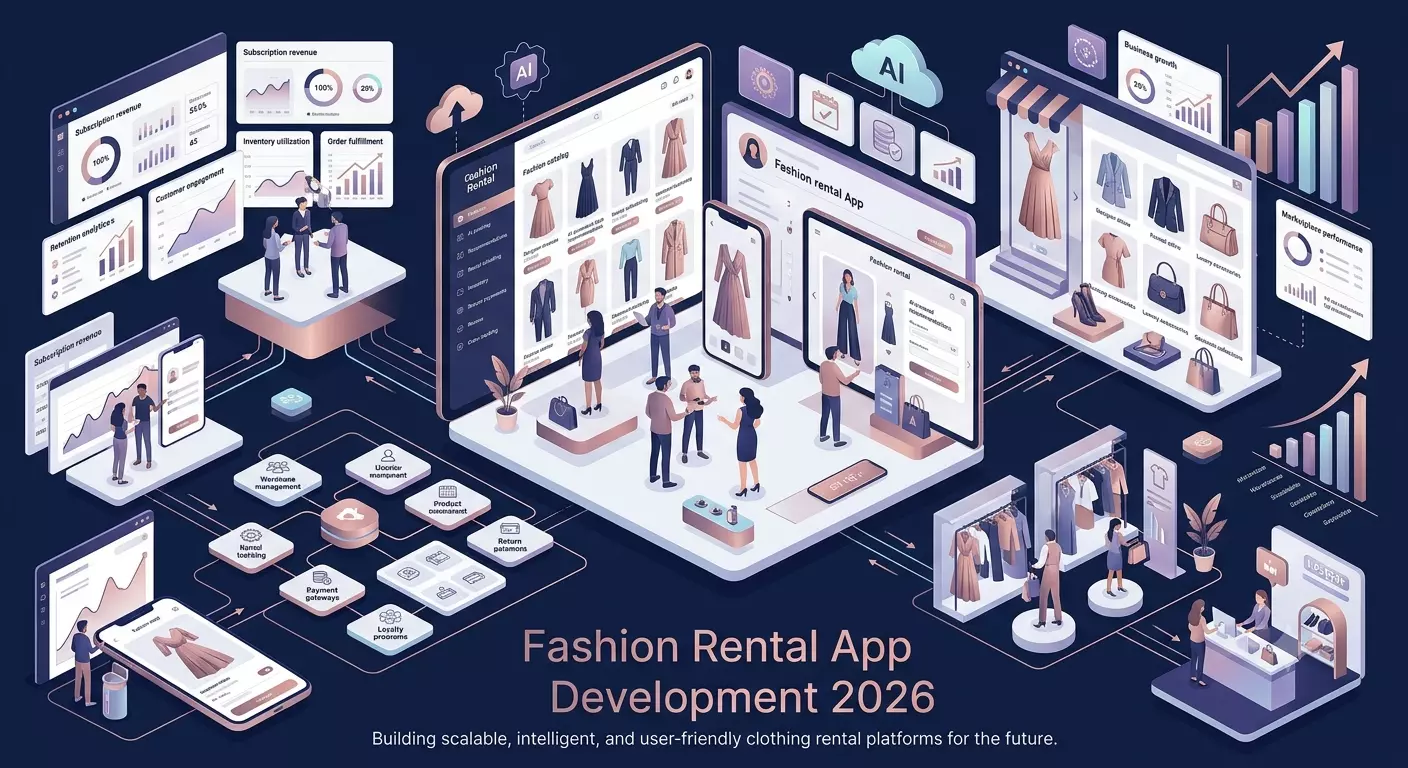
Clothes Rental App Development: How to Build a Future-Ready Fashion Rental Platform
The fashion industry is undergoing a major transformation. Consumers are increasingly prioritizing affordability, sustainability, and convenience over traditional ownership. Instead of purchasing expensive outfits for one-time use, many people now prefer renting premium fashion items whenever needed.
This shift has fueled the rapid growth of clothes rental platforms worldwide. From designer dresses and luxury handbags to wedding attire and seasonal wardrobes, fashion rental services are becoming an integral part of the modern retail ecosystem.
For entrepreneurs and fashion brands, clothes rental app development presents a compelling opportunity to build recurring revenue streams while supporting sustainable consumption. This guide explores everything you need to know about developing a scalable fashion rental application in 2026.
What Is a Clothes Rental App?
A clothes rental app is a digital platform that allows users to rent apparel and fashion accessories for a specified duration instead of purchasing them outright.
Users can browse available inventory, select rental dates, complete secure payments, receive the items, and return them after use.
A typical rental workflow includes:
- Browse available fashion items
- Select rental duration
- Complete online booking
- Receive delivery
- Use the rented products
- Return items through a predefined process
These applications create a win-win model where consumers access premium fashion at lower costs while businesses maximize the value of their inventory through repeated rentals.
Why the Fashion Rental Industry Is Growing in 2026
Several market forces are accelerating demand for fashion rental platforms.
Rising Demand for Sustainable Fashion
Consumers are becoming more aware of environmental issues caused by fast fashion. Renting garments reduces waste, extends product lifecycles, and supports circular fashion initiatives.
Growing Popularity of Subscription Services
Modern consumers have embraced subscription-based experiences across industries. Fashion rental subscriptions provide continuous access to fresh wardrobe options without large purchasing commitments.
Increased Adoption of Luxury Fashion Rentals
Many customers seek premium brands for special occasions but prefer avoiding high ownership costs. Rental platforms provide affordable access to luxury fashion.
AI-Powered Personalization
Artificial intelligence is transforming fashion discovery by offering personalized outfit recommendations based on style preferences, body measurements, and previous rental behavior.
Digital-First Shopping Behavior
Consumers now expect seamless mobile experiences. A well-designed fashion rental app delivers convenience, flexibility, and personalization directly from smartphones.
Types of Clothes Rental App Business Models
Selecting the right business model is one of the most important decisions during fashion rental app development.
Peer-to-Peer (P2P) Rental Marketplace
In this model, individual users rent their clothing to other users.
Advantages:
- Low inventory investment
- Faster market entry
- Diverse product catalog
Challenges:
- Quality control
- Logistics management
- Trust and verification
Business-to-Consumer (B2C) Rental Platform
The company owns and manages the inventory while renting directly to customers.
Advantages:
- Better quality assurance
- Strong brand control
- Consistent customer experience
Challenges:
- Higher operational costs
- Inventory management complexity
Subscription-Based Fashion Rental
Users pay recurring monthly fees to access a set number of rental items.
Advantages:
- Predictable revenue
- Higher customer retention
- Improved lifetime value
Occasion-Based Rental Services
These platforms focus on event-specific attire such as:
- Weddings
- Proms
- Corporate events
- Festivals
- Luxury vacations
This niche often generates higher rental values and strong seasonal demand.
Essential Features for Clothes Rental App Development
The success of a rental platform largely depends on user experience and operational efficiency.
User App Features
Easy Registration and Login
Support:
- Email login
- Mobile number authentication
- Social login options
Advanced Product Search
Allow filtering by:
- Size
- Brand
- Color
- Occasion
- Price
- Availability dates
Product Details Page
Each listing should include:
- High-quality images
- Fabric information
- Size guides
- Rental duration options
- Reviews and ratings
Availability Calendar
Users must easily identify available booking dates before placing rental orders.
Secure Payments
Support multiple payment methods, including:
- Credit cards
- Digital wallets
- UPI
- Buy-now-pay-later services
Order Tracking
Real-time delivery and return tracking significantly improve customer confidence.
Vendor Features
For marketplace models, vendors need dedicated management tools.
Inventory Management
Vendors should easily upload and manage products.
Rental Scheduling
Manage booking dates and item availability efficiently.
Revenue Dashboard
Track earnings, transactions, and rental performance.
Admin Panel Features
The admin dashboard serves as the operational backbone of the platform.
User Management
Monitor customer activity and resolve disputes.
Inventory Monitoring
Track stock levels, returns, and maintenance cycles.
Analytics Dashboard
Analyze:
- Popular products
- Customer retention
- Revenue trends
- Rental frequency
Advanced Features That Differentiate Modern Fashion Rental Apps
To compete effectively in 2026, advanced functionality is becoming increasingly important.
AI-Based Style Recommendations
Machine learning algorithms can suggest clothing based on:
- Browsing behavior
- Previous rentals
- Personal preferences
- Seasonal trends
Virtual Try-On Technology
Augmented reality enables users to visualize garments before renting.
Benefits include:
- Improved user confidence
- Reduced returns
- Enhanced engagement
Smart Size Prediction
AI can recommend accurate sizing using customer measurements and previous purchases.
Damage Protection Programs
Offering optional protection plans reduces customer concerns regarding accidental wear and tear.
Multi-Language and Multi-Currency Support
Essential for businesses planning regional or international expansion.
Technology Stack for Fashion Rental App Development
Choosing the right technology stack is critical for performance, scalability, and long-term maintenance.
Frontend Development
Popular frameworks include:
- Flutter
- React Native
These technologies allow businesses to launch apps on both Android and iOS using a shared codebase.
Backend Development
Reliable backend technologies include:
- Node.js
- NestJS
- Django
- Laravel
Database Solutions
Common database options include:
- MongoDB
- PostgreSQL
- MySQL
Cloud Infrastructure
Scalable cloud providers include:
- AWS
- Google Cloud Platform
- Microsoft Azure
Third-Party Integrations
Essential integrations may include:
- Payment gateways
- Shipping providers
- SMS services
- Analytics tools
- Customer support platforms
Businesses seeking professional guidance often work with a specialized mobile app development company to ensure the architecture can support future growth.
How Much Does It Cost to Develop a Clothes Rental App?
Development costs vary based on functionality, platform requirements, and project complexity.
Basic MVP
Features:
- User registration
- Product catalog
- Booking system
- Payments
Estimated Cost:
$15,000–$35,000
Mid-Level Application
Features:
- Marketplace functionality
- Advanced search
- Vendor dashboard
- Notifications
Estimated Cost:
$35,000–$80,000
Enterprise-Level Platform
Features:
- AI recommendations
- AR try-on
- Subscription management
- Advanced analytics
Estimated Cost:
$80,000–$250,000+
Key Cost Factors
Several variables influence the final budget:
- Number of features
- UI/UX complexity
- Development team location
- Technology stack
- Third-party integrations
- Maintenance requirements
Many startups choose to hire mobile app developers with experience in marketplace and rental ecosystems to reduce technical risks and accelerate development.
Monetization Strategies for Fashion Rental Apps
A successful platform should diversify revenue streams.
Rental Commission
Charge a percentage on every completed rental transaction.
Subscription Plans
Offer monthly or annual memberships with rental benefits.
Premium Listings
Allow vendors to promote featured products.
Late Return Fees
Generate additional revenue while encouraging timely returns.
Damage Protection Fees
Offer optional coverage plans for rented items.
Brand Partnerships
Collaborate with fashion labels and designers for promotional campaigns.
Read: Top 10 Custom Web Application Development Companies
Benefits of Clothes Rental App Development for Businesses
Recurring Revenue Opportunities
Unlike traditional retail, rental businesses generate income from the same inventory multiple times.
Strong Customer Retention
Subscription models encourage long-term engagement.
Sustainable Brand Positioning
Fashion rental businesses naturally align with sustainability initiatives.
Better Inventory Utilization
Products continue generating revenue throughout their lifecycle.
Market Expansion Potential
Digital platforms can easily scale into new cities, regions, and countries.
Common Challenges in Fashion Rental Platforms
Despite strong opportunities, rental businesses face operational complexities.
Inventory Management
Tracking availability, maintenance, and product condition requires robust systems.
Logistics Coordination
Efficient delivery and return workflows are essential.
Cleaning and Quality Assurance
Maintaining garment quality directly impacts customer satisfaction.
Demand Forecasting
Understanding seasonal trends helps optimize inventory investments.
Addressing these challenges early significantly improves scalability and profitability.
Choosing the Right Development Partner
Fashion rental platforms require expertise beyond standard eCommerce applications.
A reliable development partner should understand:
- Marketplace architecture
- Inventory management systems
- Subscription billing
- Mobile app scalability
- AI-powered personalization
- Cloud infrastructure
Organizations exploring modern mobile app development solutions should prioritize teams with experience in building complex on-demand platforms.
Conclusion
The fashion rental industry continues to gain momentum as consumers seek more sustainable, affordable, and flexible wardrobe options. From luxury rentals and subscription services to AI-driven personalization, the opportunities within this market are expanding rapidly.
Successful clothes rental app development requires careful planning, the right technology stack, strong operational processes, and a scalable business model.
Companies that invest in user experience, automation, and personalization will be best positioned to capitalize on the growing demand for rental fashion services.
Whether you're launching a startup or expanding an existing fashion brand, building a well-architected rental platform can create a sustainable competitive advantage in the evolving digital fashion landscape.