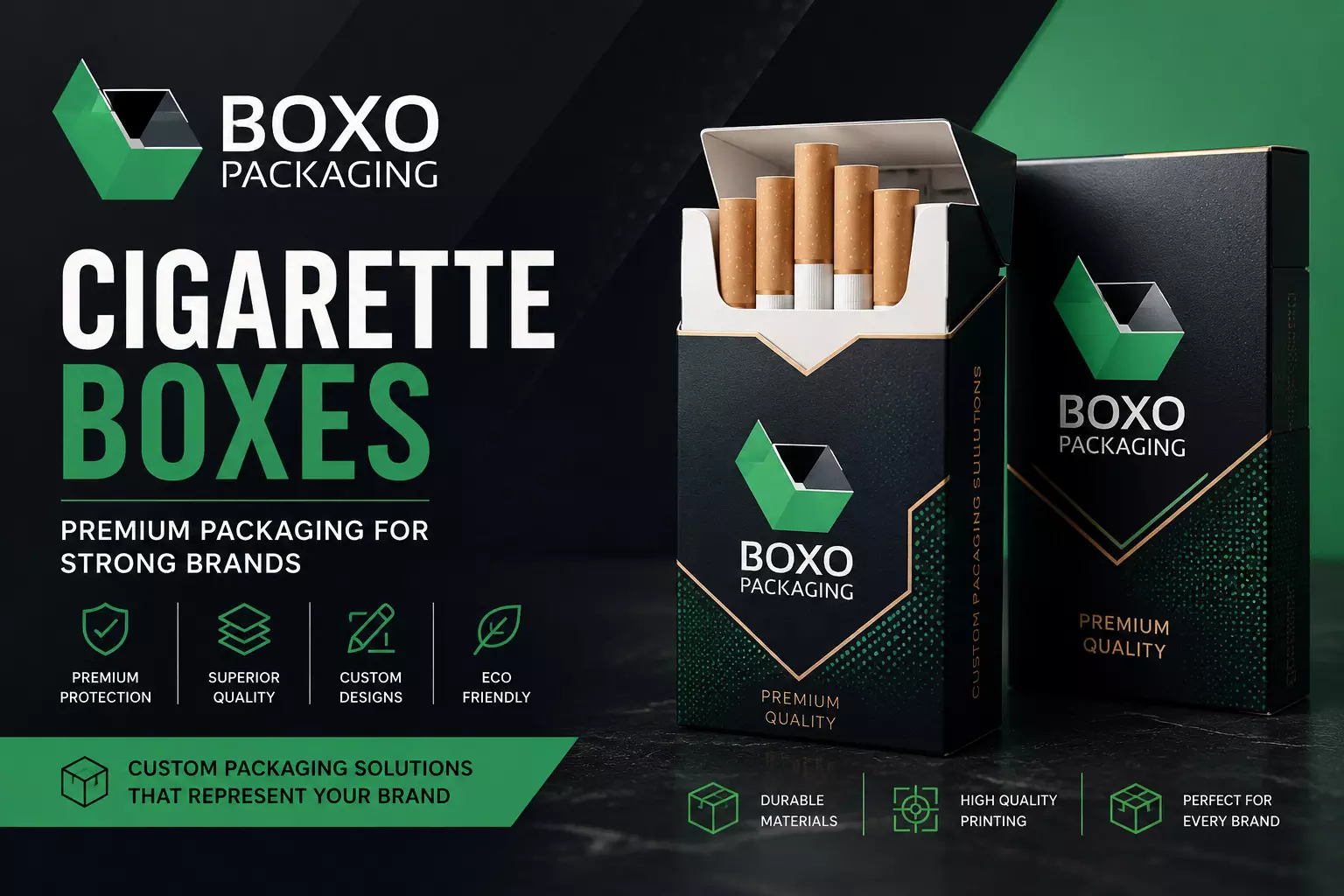
Cigarette Packaging: A Complete Overview of Design, Materials, and Industry Standards
Cigarette Packaging is a specialized area of the packaging industry focused on protecting tobacco products while meeting strict legal regulations and supporting brand identity.
It is more than just a box; it is a carefully designed system that balances durability, safety, compliance, and visual appeal.
In today’s competitive tobacco market, packaging plays a major role in product presentation, storage, and consumer perception.
Purpose and Function of Cigarette Packaging
The main purpose of Cigarette Packaging is to protect cigarettes from external damage such as moisture, air exposure, and physical pressure.
This ensures that the product remains fresh and maintains its quality from manufacturing to end use.
The structure is designed to provide strength while keeping the pack compact and easy to handle. Protective layers inside the pack also help preserve aroma and prevent damage during transportation.
Materials Used in Cigarette Packaging
Material selection is a key factor in Cigarette Packaging design. Manufacturers typically use high-quality cardboard, paperboard, and foil lining to ensure durability and freshness.
These materials offer a balance between strength and flexibility, allowing efficient printing and shaping.
In recent years, eco-friendly and recyclable materials have become more popular due to growing environmental concerns and sustainability requirements across the packaging industry.
Regulatory Compliance in Cigarette Packaging
Cigarette Packaging must follow strict government regulations that vary from country to country. These rules often include health warnings, graphic images, and standardized labeling requirements. Such regulations are designed to inform consumers about health risks associated with smoking.
As a result, packaging design must carefully balance legal compliance with branding elements, ensuring that all mandatory information is clearly displayed.
Branding and Visual Design Elements
Despite regulatory limitations, Cigarette Packaging still plays an important role in brand identity.
Companies use typography, color schemes, embossing, and surface finishing techniques to create a recognizable look. Matte, glossy, and soft-touch coatings are commonly used to enhance visual and tactile appeal.
These design elements help brands maintain a strong identity while operating within legal boundaries.
Printing and Security Features
Modern Cigarette Packaging uses advanced printing technologies such as offset printing, digital printing, and foil stamping. These methods ensure high-quality graphics and consistent color reproduction. Security features like holograms, QR codes, and tamper-evident seals are also included to prevent counterfeiting and protect brand authenticity.
These innovations improve trust and ensure product safety in the supply chain.
Sustainability in Cigarette Packaging
Sustainability has become an important focus in Cigarette Packaging production. Many manufacturers are shifting toward recyclable materials, biodegradable coatings, and reduced ink usage to minimize environmental impact.
These eco-friendly practices help reduce waste and support global sustainability goals. At the same time, they improve brand reputation among environmentally conscious consumers.
Manufacturing Process of Cigarette Packaging
The production of Cigarette Packaging involves several stages, including design creation, material selection, printing, cutting, folding, and quality inspection.
Each step is carefully controlled to ensure precision and consistency. Advanced machinery is used to increase efficiency, reduce waste, and maintain uniform quality across large production batches.
Role of Boxo Packaging in the Industry
Boxo Packaging provides customized packaging solutions designed to meet industry standards and client requirements. The company focuses on delivering durable, compliant, and visually appealing packaging products.
With attention to detail and quality control, Boxo Packaging supports businesses in achieving reliable packaging performance and strong brand presentation.
Innovation and Future Trends
Cigarette Packaging continues to evolve with new technologies such as smart packaging, digital tracking systems, and anti-counterfeiting solutions. These innovations improve product security and enhance supply chain transparency. As the industry develops, packaging will continue to integrate both functional and technological advancements to meet modern demands.
Cardboard Boxes: A Complete Guide to Packaging Solutions, Uses, and Industry Importance
Cardboard Boxes are one of the most widely used packaging solutions across global industries due to their strength, affordability, and versatility.
They are designed to store, protect, and transport products safely from one location to another.
Whether used in e-commerce, retail, or industrial shipping, they play a crucial role in ensuring product safety and efficient logistics. The growing demand for sustainable packaging has further increased the importance of cardboard-based solutions in modern supply chains.
What Makes Cardboard Boxes Essential in Packaging?
The main purpose of Cardboard Boxes is to provide reliable protection for goods during handling, storage, and transportation. Their structure is designed to absorb shocks and reduce damage caused by external pressure or movement.
These boxes are lightweight yet strong, making them ideal for shipping a wide variety of products including electronics, clothing, food items, and fragile goods. Their adaptability makes them a preferred choice for businesses of all sizes.
Types and Structures of Cardboard Packaging
Cardboard packaging comes in different forms depending on usage requirements.
Corrugated designs are the most common due to their layered structure, which provides extra strength and cushioning. Single-wall, double-wall, and triple-wall variants are used based on product weight and fragility.
Folding cartons, die-cut boxes, and rigid boxes are also widely used in retail and branding applications. Each type serves a specific purpose while maintaining structural integrity and cost efficiency.
Materials Used in Cardboard Box Manufacturing
High-quality kraft paper, recycled paperboard, and corrugated fiberboard are commonly used in the production of Cardboard Boxes.
These materials provide durability while remaining lightweight and eco-friendly.
The inner fluted layer adds strength and shock resistance, while the outer liners provide printability for branding and labeling. The increasing focus on sustainability has encouraged manufacturers to use recycled materials and environmentally responsible production methods.
Importance in E-Commerce and Logistics
In the e-commerce industry, Cardboard Boxes play a vital role in ensuring safe and efficient product delivery. Online businesses rely on them for packaging, storage, and shipping due to their cost-effectiveness and reliability.
They are easy to customize according to product dimensions, reducing empty space and minimizing shipping costs. Their stackable design also improves warehouse efficiency and simplifies transportation logistics across global supply chains.
Branding and Customization Options
Modern packaging is not only about protection but also about branding. Businesses use printing, embossing, laminations, and color customization to enhance the appearance of Cardboard Boxes.
These design elements help companies create a strong brand identity and improve customer experience. Customized packaging also increases product value perception and helps businesses stand out in competitive markets.
Environmental Benefits of Cardboard Packaging
One of the biggest advantages of Cardboard Boxes is their environmental friendliness. They are biodegradable, recyclable, and often made from recycled materials.
This reduces environmental impact and supports global sustainability initiatives. As consumers become more eco-conscious, businesses are increasingly adopting cardboard packaging as a responsible alternative to plastic-based solutions.
Read: Top Quality Business Card Boxes for Stylish and Secure
Manufacturing Process and Quality Control
The production of Cardboard Boxes involves several stages including pulp processing, paper formation, corrugation, cutting, printing, and assembly. Each step is carefully monitored to ensure quality, strength, and durability.
Advanced machinery is used to maintain precision and consistency in large-scale production. Quality control checks ensure that each box meets industry standards for safety and performance.
Industry Applications and Versatility
Cardboard Boxes are used across multiple industries including food and beverage, pharmaceuticals, electronics, fashion, and logistics. Their versatility allows them to be customized for different product types and shipping conditions. From small retail packaging to large industrial shipping containers, they offer a flexible solution for nearly every packaging requirement.
Role of Boxo Packaging in the Industry
Boxo Packaging provides high-quality and customized packaging solutions designed to meet modern industry demands.
The company focuses on durability, sustainability, and design efficiency, ensuring that businesses receive reliable packaging solutions tailored to their needs.
With advanced production techniques and quality materials, Boxo Packaging supports brands in achieving better product protection and presentation.
Innovation and Future Trends in Cardboard Packaging
The future of packaging is evolving with innovations such as smart packaging, QR-coded tracking systems, and enhanced recycling technologies. Cardboard packaging continues to improve in strength, design flexibility, and environmental performance.
These advancements are helping businesses improve logistics efficiency while reducing environmental impact and improving customer satisfaction.