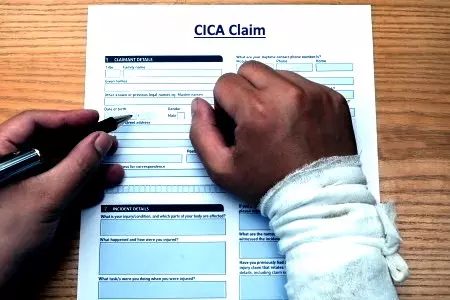
CICA Application: Benefits, Uses & How to Apply for Best Results
When individuals suffer injuries as a result of violent crimes, the Criminal Injuries Compensation Authority (CICA) offers a crucial financial lifeline. The CICA application form is the primary way to access compensation for physical, emotional, or financial damage. Understanding the process and ensuring accurate submission maximizes the chances of a successful claim.
What is the Criminal Injuries Compensation Authority (CICA)?
CICA is a UK government-funded organization that provides compensation to victims of violent crimes. The scheme operates under strict eligibility criteria, ensuring that those who qualify receive financial assistance for the harm they have endured.
Eligibility Criteria for CICA Compensation
- The applicant must be a victim of a violent crime in England, Scotland, or Wales.
- The crime must have been reported to the police as soon as possible.
- The applicant must have sustained a qualifying physical or psychological injury.
- Claims must be filed within two years from the date of the incident (exceptions apply for specific circumstances, such as historical abuse).
- The applicant must have no serious criminal record that may impact the claim.
How to Apply Using the CICA Application Form
Submitting a CICA application form correctly is crucial for a successful claim. The application process follows these steps:
Step 1: Gather Required Information
Before filling out the form, prepare the following details:
- Crime reference number from the police.
- Medical reports or evidence of injuries sustained.
- Details of financial losses due to the crime.
- Witness statements (if available).
Step 2: Complete the CICA Application Form Online
- The form is available on the official UK Government website.
- Provide accurate personal information, crime details, and evidence of injury.
- Answer all questions honestly to prevent delays or rejections.
Step 3: Submit the Application and Await Assessment
- Once submitted, CICA assesses eligibility and verifies claims with police reports and medical records.
- Processing times can range from a few months to over a year, depending on complexity.
Understanding the Criminal Compensation Form
A criminal compensation form is used to apply for financial assistance after suffering injuries due to criminal acts. This form is vital in ensuring victims receive fair compensation.
Compensation Categories
- Physical Injuries: Compensation is awarded based on the severity of bodily harm.
- Psychological Trauma: Victims suffering from PTSD or emotional distress may qualify.
- Financial Losses: Includes loss of earnings due to inability to work.
- Special Expenses: Covers medical treatments, therapy, and adaptations required for injury-related disabilities.
How Compensation is Calculated
The CICA scheme uses a tariff-based system to determine payouts. Multiple injuries are compensated at a reduced rate, and claims can be adjusted based on contributory behavior or criminal records.
Common Reasons for CICA Claim Rejections & How to Avoid Them
- Delayed Reporting: Claims may be denied if the crime was not reported promptly.
- Lack of Evidence: Ensure you have police records, medical documents, and any supporting materials.
- Criminal Record Impact: If you have unspent convictions, your claim may be reduced or rejected.
- Incomplete Application: Carefully review your form before submission.
What to Do After a CICA Claim Decision
Once CICA reviews your application, they will issue a decision:
- Approved: Compensation will be paid in lump sum or installments.
- Rejected: You may appeal the decision within 56 days if you believe the rejection was unfair.
- Low Compensation Offer: If the awarded amount seems inadequate, you can request a review.
How to Appeal a CICA Decision
- Submit a formal appeal outlining why the decision is unfair.
- Provide additional evidence to strengthen your case.
- Consider seeking legal advice for complex cases.
Final Thoughts
Filing a successful CICA application form requires careful preparation and thorough documentation. Ensuring accurate completion of the criminal compensation form significantly increases the likelihood of receiving fair compensation. Victims of violent crimes deserve proper financial support, and with the right approach, they can secure the compensation they need to rebuild their lives.