Choosing the Right Engineering Drawing Outsourcing Partner
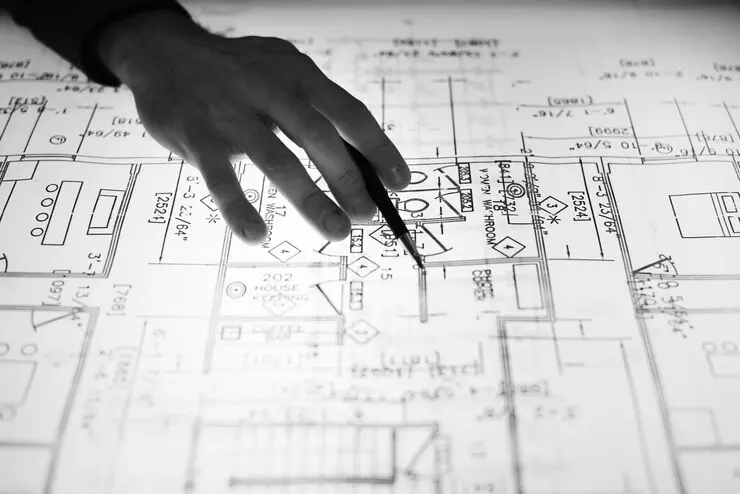
Engineering drawings are the lifeblood of any manufacturing or construction project. They are the detailed blueprints that translate a conceptual design into a tangible product, guiding every step from fabrication to assembly. The accuracy and clarity of these drawings are non-negotiable; a small error can lead to costly rework, project delays, and even safety hazards.
As businesses scale and projects become more complex, many turn to engineering drawing outsourcing to manage this critical function efficiently.
Outsourcing can offer significant benefits, including cost savings, access to specialized expertise, and faster turnaround times. It allows your in-house team to focus on core design and innovation activities rather than getting bogged down in drafting.
However, handing over this vital task to an external partner is not without its risks. Selecting the wrong firm can lead to a host of problems that undermine the very advantages you sought to gain. This guide will walk you through how to choose the right partner, ensuring your outsourcing venture is a success from the start.
The Challenges of Outsourcing Engineering Drawings
Before reaping the rewards of outsourcing, it's important to understand the potential pitfalls. Being aware of these common challenges can help you vet potential partners more effectively and set up your project for success.
Quality and Accuracy Concerns
The most significant risk in outsourcing is a drop in quality. Inaccurate dimensions, incorrect annotations, or non-compliance with industry standards can have severe consequences. A partner without a rigorous quality control process might deliver drawings that are unusable, forcing your team to spend valuable time on revisions and corrections.
Communication Barriers
Effective communication is essential for any successful partnership. When you outsource engineering drawings, especially to a team in a different time zone or with a different primary language, misunderstandings can easily arise. Vague instructions or a lack of regular updates can result in drawings that don’t meet your expectations, leading to friction and delays.
Data Security Risks
Engineering drawings often contain sensitive intellectual property. Sharing these files with a third party inherently introduces a security risk. A partner with weak data security protocols could expose your confidential designs to theft or unauthorized access, jeopardizing your competitive advantage.
Lack of Technical Expertise
Not all drafting services are created equal. Some may lack experience in your specific industry or with the software your team uses. This can lead to drawings that are technically flawed or incompatible with your existing workflows, creating more problems than they solve.
Key Criteria for Choosing the Right Partner
To avoid these challenges, you need a systematic approach to selecting your outsourcing partner. Focus on these essential criteria to find a firm that is reliable, skilled, and a good fit for your organization.
Proven Experience and Industry Expertise
Look for a partner with a strong track record in your specific industry. A firm that specializes in architectural drawings may not have the necessary expertise for mechanical part design. Ask for a portfolio of their work and case studies from clients in your sector. A partner who understands the nuances of your industry will be better equipped to meet your standards and requirements.
Robust Quality Control Processes
A reputable outsourcing firm should have a well-defined quality control (QC) process. This typically involves a multi-tiered review system where drawings are checked by a senior drafter or engineer before delivery. Inquire about their QC methodology, their adherence to international standards (like ISO or ASME), and their process for handling revisions and feedback.
Strong Technical Capabilities
Ensure the potential partner has the technical skills and tools to meet your needs.
- Software Proficiency: They should be proficient in the CAD software your team uses (e.g., AutoCAD, SolidWorks, Revit) to ensure seamless file compatibility.
- Technical Knowledge: Their team should have a solid understanding of engineering principles, materials, and manufacturing processes relevant to your projects.
Clear Communication and Project Management
Effective communication is the cornerstone of a successful outsourcing relationship. A good partner will have clear protocols for communication, including regular progress updates and a designated point of contact for your project. They should be responsive, transparent, and proactive in addressing any potential issues.
Questions to Ask Potential Partners
During the evaluation process, asking targeted questions can help you gauge a firm's suitability. Here is a list of questions to help you dig deeper:
- Can you provide examples of past projects similar to ours?
- What is your quality assurance process from start to finish?
- How do you ensure compliance with our company's and industry's standards?
- What CAD software and versions are your teams proficient in?
- What are your data security measures for protecting our intellectual property?
- Who will be our main point of contact, and what are their qualifications?
- How do you handle project scope changes or urgent revision requests?
- What is your pricing model (e.g., hourly, per-project)?
- Can you provide client references we can speak with?
- What is your typical turnaround time for a project of our size?
Red Flags to Watch Out For
Just as important as knowing what to look for is knowing what to avoid. Be cautious if you encounter any of these warning signs during your search:
- Vague or Evasive Answers: If a potential partner can't give you straight answers to your questions, it may indicate a lack of experience or transparency.
- Unusually Low Pricing: While cost-effectiveness is a key benefit of outsourcing, pricing that seems too good to be true often is. It could be a sign of poor quality, inexperienced staff, or hidden fees.
- No Clear Quality Control Process: A firm that can't articulate its QC process is unlikely to deliver high-quality work consistently.
- Poor Communication: Slow response times or unclear communication during the initial inquiry phase is a strong indicator of how they will operate once the project starts.
- Lack of References: A reputable firm should be proud of its work and willing to provide references. Hesitation to do so is a major red flag.
Building a Successful Long-Term Partnership
Choosing the right partner for engineering drawing outsourcing is a strategic decision that can have a lasting impact on your business. By taking the time to thoroughly vet potential firms based on their experience, quality processes, and communication capabilities, you can build a reliable and valuable partnership.
The right partner does more than just complete drafting tasks; they become an extension of your team, contributing to your project's success and allowing your CAD Drafting Company to focus on innovation and growth. This initial investment in due diligence will pay dividends through higher quality outcomes, streamlined workflows, and a stronger competitive edge in the long run.