Choosing the Right Channels for Your Audience
Choosing the right marketing channels is one of the most important decisions in digital marketing. Every audience behaves differently online, and not all platforms deliver the same results for every business.
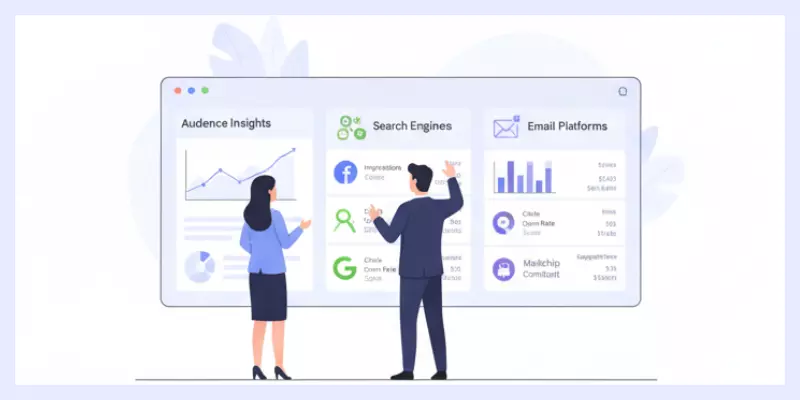
Some users prefer search engines for research, while others spend most of their time on social media or email. Knowing where your audience engages allows you to direct your efforts more efficiently and prevent the misallocation of resources.
When marketers align their channels with audience behavior, engagement and conversions improve naturally.
If you want to learn how to identify and use the right channels professionally, consider joining the Digital Marketing Course in Mumbai at FITA Academy to build strong foundational skills for long-term success.
Understanding Your Target Audience
Before selecting any channel, you need a clear understanding of your target audience. This includes their age, location, interests, online habits, and preferred content formats.
Some audiences respond better to visual content, while others prefer detailed articles or emails. Knowing these details helps narrow down the platforms that will deliver the best results.
Audience research can be done through surveys, analytics tools, and customer feedback. When you understand your audience deeply, channel selection becomes a strategic decision instead of a guess.
Matching Channels With Marketing Goals
Different marketing goals require different channels. Brand awareness works well with social media and display advertising, while lead generation often performs better with search engines and email marketing.
If your goal is to drive quick traffic, paid ads can help, but for long-term growth, content and SEO are more effective.
Aligning goals with the right channels ensures consistent performance. Learning this alignment in detail can help marketers make smarter decisions, and those interested may benefit from taking a Digital Marketing Course in Kolkata to strengthen their practical understanding of channel planning.
Evaluating Channel Strengths and Limitations
Every marketing channel has its own strengths and limitations. Social media platforms are great for engagement, but may have limited organic reach. Search engines provide high-intent traffic but require time and optimization.
Email marketing offers direct communication but depends on list quality. Understanding these factors helps you prioritize channels that match your resources and audience expectations.
A balanced mix often delivers the best results rather than relying on a single platform.
Read: Mastering Digital Marketing in a Changing World
Testing and Optimizing Channel Performance
Choosing channels is not a one-time decision. Continuous testing helps identify what works best for your audience. Performance metrics such as traffic quality, engagement, and conversion rates reveal which channels deliver value.
Underperforming channels can be optimized or replaced over time. Regular evaluation ensures your marketing strategy stays aligned with audience behavior and business goals.
Choosing the right channels for your audience requires research, clarity, and ongoing optimization. When marketers focus on audience needs instead of trends, they build stronger and more sustainable campaigns.
The right channels help deliver the right message at the right time, leading to meaningful engagement and better outcomes. For those who want to master this process and apply it confidently in real campaigns, signing up for a Digital Marketing Course in Delhi can be a valuable move toward building a successful marketing career.