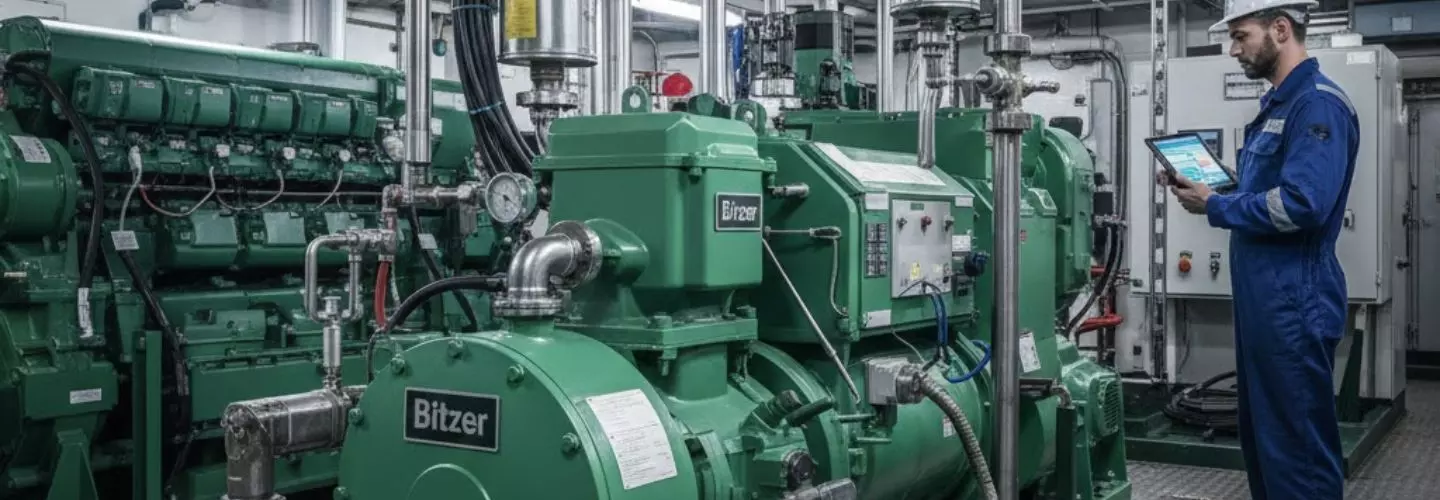
Choosing the Right Bitzer Compressor for Reliable Marine Performance
Choosing the right Bitzer compressor is one of the most important decisions for any vessel that relies on stable cooling, refrigeration, and HVAC systems. Marine operations demand equipment that can perform continuously, even in extreme temperatures and rough sea conditions. This is where a trusted Bitzer compressor becomes essential.
Many vessels consult a reliable marine engine supplier to ensure they select the correct model that supports long-term performance and efficiency.
A Bitzer compressor is known for durability, energy savings, and consistent cooling output. Whether you operate a cargo ship, fishing vessel, offshore support ship, or passenger ferry, the right selection ensures smoother operation and reduced maintenance costs.
Why Bitzer Compressors Are Preferred in Marine Systems
Marine environments are challenging. Constant vibrations, temperature fluctuations, salt exposure, and long working hours require equipment that can withstand all of it. A Bitzer compressor is designed to deliver stable performance even when conditions are unpredictable. These compressors are built with marine-grade materials that protect against corrosion and ensure reliability.
Many operators rely on a marine engine supplier to match the correct Bitzer model with the vessel’s cooling load. This professional guidance helps avoid costly downtime and improves operational safety.
Understanding Cooling Requirements on Marine Vessels
Every vessel has different cooling needs. Ships that carry temperature-sensitive cargo need high-capacity refrigeration, while offshore accommodation units need efficient HVAC systems. Before selecting a Bitzer compressor, understanding the vessel’s actual load is important.
Some factors that influence cooling requirements include:
- Type of cargo or storage
- Ambient sea temperature
- Vessel size and structure
- Operating hours
- Power availability on board
A proper load calculation ensures your Bitzer compressor runs efficiently without being overloaded.
Types of Bitzer Compressors Used in Marine Applications
Bitzer produces several compressor types, each suited for specific marine needs. A marine engine supplier often helps vessel owners compare these options before making a final decision.
1. Reciprocating Compressors
These compressors are suitable for small to medium cooling applications. They are known for precision, easy maintenance, and strong durability.
2. Screw Compressors
These are preferred for large refrigeration systems and continuous operation. They provide high cooling capacity and stable performance.
3. Scroll Compressors
Used mainly for marine HVAC systems, scroll compressors are compact, efficient, and ideal for smaller spaces.
Choosing the right type ensures the system runs smoothly and avoids heavy operational stress.
Read: How Many Hours Does It Take to Replace a Compressor?
Important Factors to Consider When Selecting a Bitzer Compressor
The right Bitzer compressor is chosen based on several technical and operational factors. Here are the most important ones:
Cooling Capacity
The compressor must meet the exact cooling load without excessive energy consumption.
Energy Efficiency
Bitzer units are known for low power usage, which helps reduce fuel expenses on long voyages.
Refrigerant Compatibility
Modern compressors support eco-friendly refrigerants, which is important for compliance with marine regulations.
Durability and Marine Protection
Saltwater, humidity, and vibration demand strong construction. Bitzer compressors are designed specifically for these conditions.
Noise and Vibration Levels
Some ship environments, like accommodation blocks, require quieter operation.
Space and Installation Requirements
Marine engine rooms have limited space, so the chosen compressor must fit without compromising accessibility.
A marine engine supplier typically reviews all these factors before suggesting the best model for long-term use.
Technology Features That Enhance Marine Performance
Bitzer compressors include several advanced technologies that improve reliability on vessels:
- Intelligent control systems for smoother operation
- High-efficiency motors for reduced energy use
- Optimized oil management that supports continuous movement at sea
- Strong build quality that resists corrosion
- Protection features for unstable ship power conditions
These features allow the compressor to function without frequent shutdowns or temperature variations.
Maintenance Tips for Marine Bitzer Compressors
To maintain reliable performance, regular inspections and preventive maintenance are important. Here are some necessary steps:
- Check oil levels and lubrication quality
- Monitor discharge pressure, temperature, and vibration
- Inspect electrical connections regularly
- Clean filters and cooling coils
- Use only genuine Bitzer parts for replacements
A marine engine supplier can also provide professional servicing to keep your system running at peak efficiency.
Cost vs Performance Considerations
While investing in a high-quality Bitzer compressor may require a higher initial budget, it saves money over the long run. Reduced downtime, fewer repairs, better fuel efficiency, and longer life make it a smart investment.
Working with the right marine engine supplier also ensures you get the ideal compressor model, which improves performance and reduces operating stress.
Expert Tips for Selecting the Right Compressor
- Have a complete cooling load analysis done
- Compare different Bitzer models based on your vessel type
- Consider future expansion or upgrades
- Ensure stable power supply compatibility
- Follow a strict maintenance schedule
These steps help keep the Bitzer compressor running smoothly and reliably on every voyage.
Conclusion
Choosing the right Bitzer compressor is essential for stable cooling, better energy use, and reliable marine performance. A high-quality Bitzer compressor ensures efficiency in refrigeration, HVAC, and cold storage systems, even in challenging sea environments. Partnering with a trusted marine engine supplier helps ensure you select the perfect model that supports long-term reliability and smooth vessel operation.