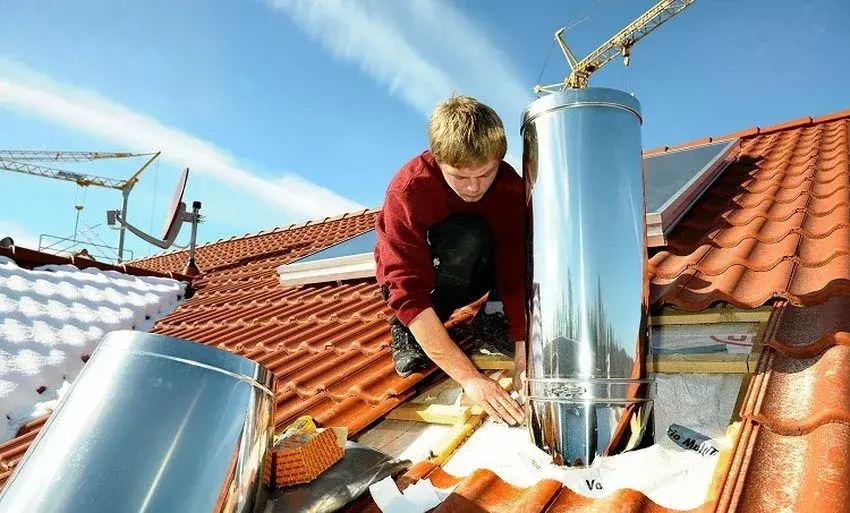
When to Upgrade to an Insulated Chimney Liner in Poulsbo
If you live in Poulsbo and have a wood stove or fireplace, your chimney probably doesn’t cross your mind too often — at least, not until there’s an issue. But just like the tires on your car or the shingles on your roof, your chimney liner doesn’t last forever. At some point, you’ll need to decide if it’s time to invest in an insulated Chimney liner. Let’s break down when and why you might want to upgrade (and how to spot the signs before it’s too late).
“A safe and efficient fireplace starts with a chimney that’s well cared for — don’t wait for smoke signals to make the right call.”
Why an Insulated Chimney Liner Makes a Difference
So, what’s the big deal about insulated chimney liners? Think of them as a cozy blanket for your flue. They help keep the heat where it belongs — inside the chimney — and protect your house from unwanted surprises. Insulated liners are especially useful in places like Poulsbo where damp, chilly weather can cause more condensation and creosote buildup.
Basic Liner
- Heat Retention: Low
- Protection from Moisture: Minimal
- Prevents Creosote: Limited
- Lifespan: 5–10 years
- Energy Efficiency: Lower
Insulated Liner
- Heat Retention: Excellent
- Protection from Moisture: High
- Prevents Creosote: Much Better
- Lifespan: 10–25 years
- Energy Efficiency: Higher
Staying Safe: When Is It Time to Upgrade?
Safety should always come first. If you notice any of these warning signs, it’s probably time to think about an upgrade:
- Old or Crumbling Liner: If your liner is showing its age, it might not do its job much longer. Pieces falling into the fireplace or visible cracks are red flags.
- More Smoke in the House: Are you smelling smoke when the fire is burning? That could mean fumes aren’t venting properly.
- Frequent Creosote Buildup: If you’re cleaning out sticky, tar-like gunk more often than before, your chimney might not be staying warm enough to keep creosote from forming.
- Water Leaks: Damp patches or musty smells near the fireplace are clues that moisture is sneaking in, possibly due to a failing liner.
- New Appliance: If you install a new stove or insert, your old liner might not match the new setup’s needs.
What’s the Damage? Looking at the Cost
Let’s be real — chimney work isn’t the cheapest home project. But putting it off can cost you more if you end up with chimney fires or expensive water damage. Here’s a quick look at how the numbers stack up:
- Basic liner materials might cost less up front, but you could be paying for repairs (or another liner) much sooner.
- Insulated liners usually cost more at first, but their durability and protection often save you money over time.
- Labor depends on your chimney’s height and condition, but professionals can often finish the job in a day or two.
- Insurance discounts might be an unexpected bonus, since improved safety could lower your rates.
Don’t forget: the peace of mind of knowing your home is safer is worth a lot, too.
Help! What If I Need Emergency Service?
If you’re dealing with smoke pouring into your living room, or you see flames in the flue, don’t wait — call for emergency help right away. Chimney pros in Poulsbo are used to odd hours and bad weather, so you can usually find someone who’ll come out fast. Even if it’s not an obvious emergency, a quick inspection could prevent a disaster later on. It’s always better to call and ask than to cross your fingers and hope.
FAQs About Insulated Chimney Liners
Q: Can I install an insulated liner myself?
A: It’s possible, but not recommended. Chimneys aren’t as simple as they look, and a pro will make sure everything’s safe and up to code.
Q: How often do insulated liners need to be replaced?
A: With good care, they can last 20 years or more. Regular cleaning helps them last even longer.
Q: Will an insulated liner stop my chimney from leaking?
A: It helps a lot, but you’ll also want to check your chimney cap and flashing for leaks.
Q: Are insulated liners only for wood stoves?
A: Not at all! They work well for fireplaces, inserts, and even some gas appliances.
Wrapping Up: Is It Time for Your Upgrade?
Upgrading to an insulated chimney liner isn’t just about following trends — it’s about keeping your home warm, safe, and comfortable for years to come. If your chimney is showing its age, or you’re seeing any warning signs, don’t wait until winter’s in full swing. Call a local expert in Poulsbo, ask lots of questions, and make sure your fireplace is ready for whatever the season brings. After all, a cozy fire is only as good as the chimney behind it!
Read More: Chimney Sweep Poulsbo