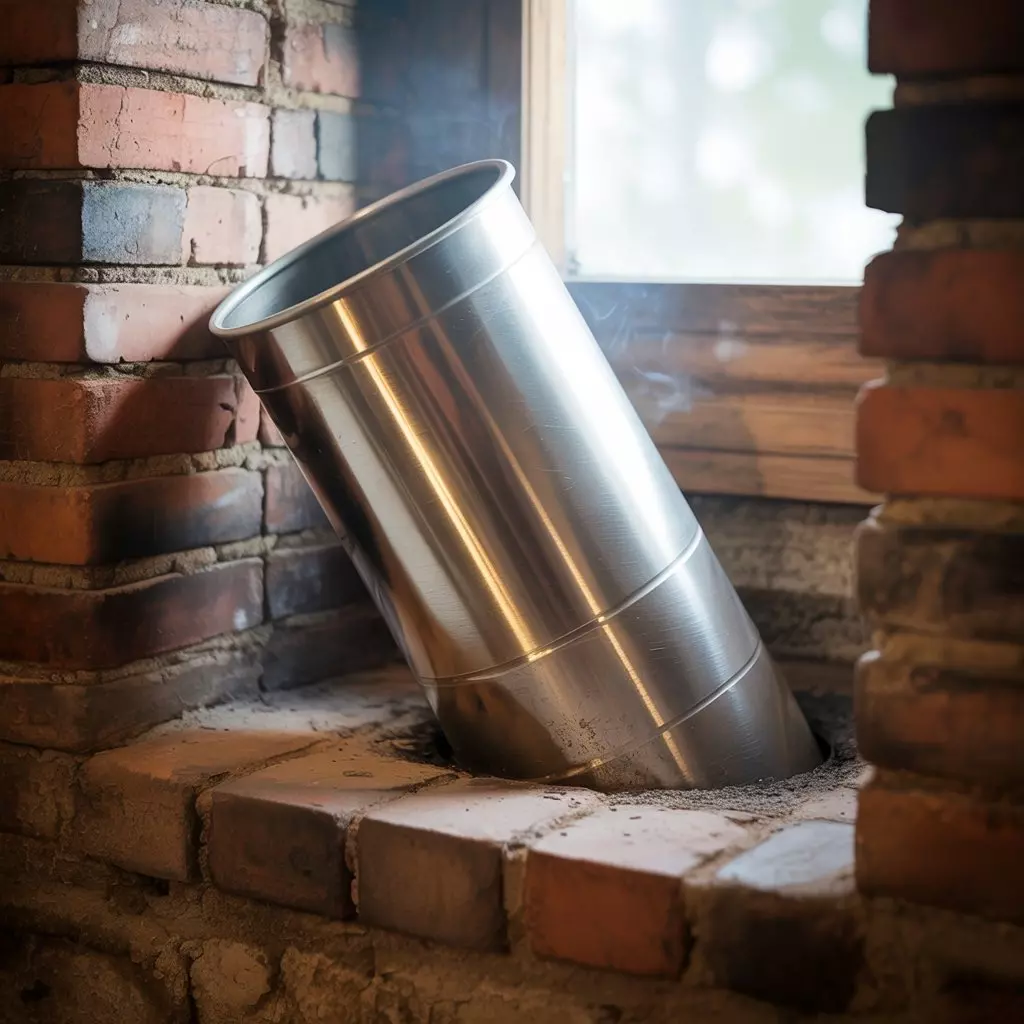
How Can You Tell If a Chimney Liner Is Failing in Berkeley?
At Berkeley Chimney Sweep, we often encounter homeowners who are concerned about the integrity of their chimney liners. Your chimney liner is more than just a hidden tube—it’s a critical barrier that protects your home from smoke, fire, and dangerous gases. When your liner starts to deteriorate, it can put your household at significant risk, making early detection and replacement essential for both safety and peace of mind.
But how can you tell if a chimney liner is failing? Spotting the signs early can save you from emergency repairs and even protect your family from potential hazards. In a city like Berkeley, where older homes are common, chimney liner issues can be especially prevalent due to years of use and exposure to weather. Read on for expert advice, clear cost breakdowns, and everything you need to know about maintaining a healthy Chimney Liner.
Key Features of a Chimney Liner System
- Durability: Chimney liners are designed to withstand high temperatures and corrosive byproducts. The best liners are crafted from materials like stainless steel or ceramic, ensuring longevity and minimal maintenance.
- Safety: A properly installed and intact liner acts as your home’s firewall, blocking heat transfer and keeping hazardous gases from seeping indoors. A compromised liner significantly increases fire and health risks.
- Efficiency: An efficient liner ensures that your chimney draws smoke and gases out effectively, improving the performance of your fireplace or stove and reducing the risk of creosote buildup.
Recognizing the Signs of a Failing Chimney Liner
- One common warning sign is cracked or broken tiles. You might notice small shards or flakes in your fireplace, or find them during a chimney cleaning. This damage allows excessive heat and gases to escape the liner and penetrate chimney walls, greatly increasing the risk of a chimney fire.
- Visible rust or corrosion is another red flag. Look for rust stains around the damper or firebox, or signs of discoloration at liner joints. Rust compromises the liner’s structural integrity and may lead to dangerous holes or leaks.
- If you spot excessive creosote buildup, such as thick, tar-like deposits in the flue or detect a strong smoky odor indoors, your chimney liner is likely underperforming. This not only reduces efficiency but also significantly raises the risk of a chimney fire.
- Deteriorating mortar joints—loose or missing mortar between liner tiles or visible gaps—can weaken the liner’s structure. Over time, this allows harmful gases and heat to escape into surrounding areas of the home.
- Lastly, unusual smoke patterns, such as smoke entering rooms or visibly leaking from chimney joints, often signal serious liner damage. These symptoms may indicate blockages, cracks, or even holes that require immediate attention.
“A chimney liner is an invisible shield—its failure is silent, but the consequences are loud. Early detection is not just maintenance; it’s a commitment to safety.”
— Master Sweep, Berkeley Chimney Sweep
Why Safety Comes First
If your chimney liner is compromised, your entire home is at risk. Faulty liners can allow carbon monoxide and other harmful gases to seep into your living spaces. These gases are colorless and odorless, making them especially dangerous. In addition, cracks or gaps in the liner can let high temperatures reach combustible building materials, increasing the possibility of a chimney or house fire.
The most common cause of chimney fires in Berkeley is not a dirty chimney, but a damaged or missing liner. Modern building codes require liners for exactly this reason: to protect both people and property. If your home’s chimney liner is old or you suspect it’s damaged, don’t wait for visible signs—schedule an inspection with a certified professional.
Understanding Costs: Chimney Liner Repair & Replacement in Berkeley
The cost to repair or replace a chimney liner varies based on the type of liner, the extent of the damage, and the size of your chimney. At Berkeley Chimney Sweep, we believe in total transparency, so here’s what you can expect when budgeting for this essential service:
Chimney Liner Services and Estimated Costs in Berkeley:
- A chimney liner inspection typically ranges from $125 to $250. This includes a comprehensive camera inspection, a written report, and expert safety recommendations.
- For minor liner repairs, such as patching cracks, resealing joints, or performing small-scale relining, homeowners can expect to pay between $350 and $900.
- If a full replacement is needed, a stainless steel liner installation generally costs between $1,600 and $3,200. These liners are durable, suitable for most fireplaces, and often come with a lifetime warranty.
- For high-use fireplaces or historic homes, a ceramic liner replacement may be recommended. These installations are more extensive and typically cost $2,200 to $4,500.
- In urgent situations, emergency service is available starting at $350, with surcharges depending on the time of service and severity of the issue. These 24/7 services are essential when immediate repairs are needed for safety.
- Neglecting a damaged chimney liner can lead to significantly higher repair costs later—not to mention serious safety risks. Investing in a quality liner now is far less costly than dealing with the consequences of a chimney fire or carbon monoxide exposure.
24/7 Emergency Service for Chimney Liner Failures
Chimney emergencies don’t wait for business hours. If you notice smoke in your house, unusual odors, or hear cracking sounds from your chimney, you may need immediate attention. At Berkeley Chimney Sweep, our emergency team is available day and night to handle urgent liner repairs or replacements. Our rapid response can prevent further damage and ensure your family’s safety.
Our emergency protocol includes: immediate inspection, risk assessment, temporary sealing (if necessary), and a fast-track plan for permanent liner repair or replacement. We’re committed to restoring your peace of mind as quickly as possible.
Frequently Asked Questions
Q: How often should I have my chimney liner inspected?
A: We recommend a professional inspection at least once a year, especially before the heating season begins. This ensures any developing issues are caught early.
Q: What type of liner is best for my Berkeley home?
A: Stainless steel liners offer excellent durability and are suitable for most homes. For historic properties, ceramic or clay liners may be appropriate. Our experts at Berkeley Chimney Sweep can advise on the best fit during your inspection.
Q: Can I repair my chimney liner myself?
A: DIY repairs are not recommended. Improper repairs can increase safety hazards and may void your home insurance. Always rely on certified professionals for liner work.
Q: How long does a new chimney liner last?
A: With proper maintenance, stainless steel liners can last over 20 years, while ceramic liners may last even longer. Regular inspections are key to maximizing lifespan.
Q: What if my liner is failing but I don’t use my fireplace?
A: Even unused chimneys can allow water and pests inside, leading to structural damage. Sealing or relining is still important to protect your home’s integrity.
Conclusion
A failing chimney liner is more than an inconvenience—it’s a threat to your family’s safety and your home’s value. By knowing the signs, investing in professional inspections, and acting promptly, you can keep your Berkeley home warm, safe, and protected for years to come. Trust Berkeley Chimney Sweep for expert guidance, fair pricing, and emergency support whenever you need it. If you’re in doubt about your Chimney Liner, reach out today.
Read More - Berkeley Chimney Sweep