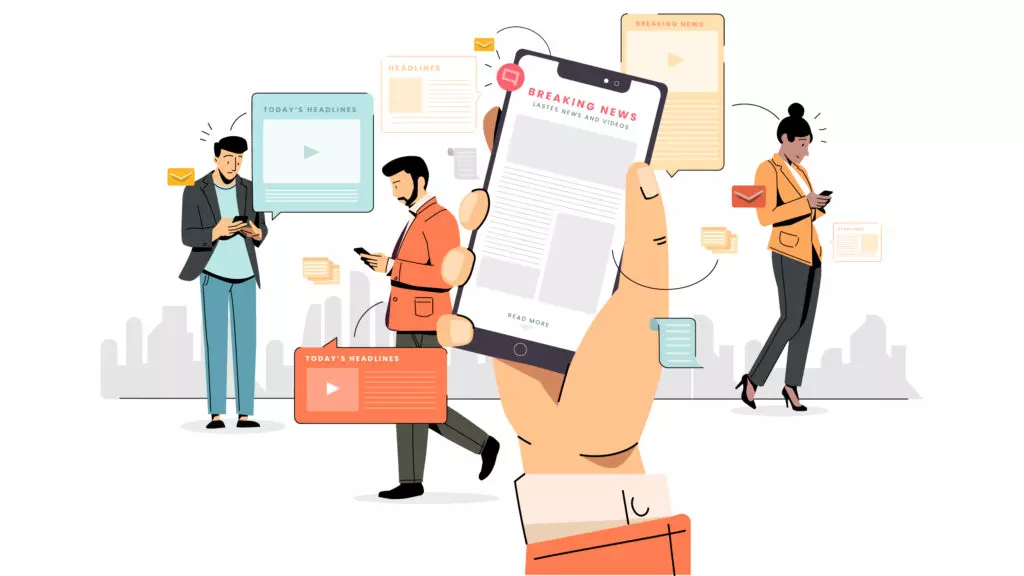
Cell Phones at Workplace Statistics: Productivity Tool or Distraction?
Mobile phones have become inseparable from everyday work life. What was once a simple communication device has evolved into a multifunctional tool used for emails, messaging apps, scheduling, navigation, and remote collaboration.
As workplaces become more digital, cell phones at workplace statistics provide valuable insights into how frequently employees use smartphones, how this behavior affects productivity, and how organizations are adapting to these changes.
Understanding these patterns is essential for balancing efficiency, focus, and employee well-being.
The Rise of Smartphone Dependency at Work
Workplace statistics show that smartphones are now present in nearly every professional setting. Employees rely on their phones to stay connected with colleagues, clients, and managers throughout the day.
Many roles require constant availability, making mobile devices a necessity rather than a convenience.
However, cell phones are not used solely for work-related purposes. Statistics indicate that personal phone use during working hours is common, often driven by social media notifications, personal messages, and app alerts.
This constant connectivity has reshaped how employees divide their attention between tasks.
Frequency of Cell Phone Use During Work Hours
Cell phones at workplace statistics suggest that employees check their phones far more often than they realize. Short glances at screens, notification checks, and quick replies can occur repeatedly throughout the day.
While each interaction may seem harmless, the cumulative effect can be significant.
Frequent phone usage contributes to:
- Interrupted workflow
- Reduced concentration
- Increased task-switching
- Longer time needed to complete assignments
Even brief distractions can disrupt mental focus, especially during tasks that require deep thinking or problem-solving.
Productivity Impacts of Smartphone Use
The relationship between cell phone use and productivity is complex. Workplace statistics show both positive and negative outcomes depending on how phones are used.
On the positive side:
- Phones enable instant communication and faster decision-making
- Employees can quickly access work tools, files, and calendars
- Remote and hybrid teams benefit from constant connectivity
On the negative side:
- Unplanned interruptions reduce efficiency
- Constant notifications increase cognitive overload
- Multitasking with phones lowers overall work quality
Cell phones at workplace statistics emphasize that unmanaged phone use often leads to reduced productivity rather than improved performance.
Psychological and Mental Effects
Beyond productivity, excessive phone use affects mental well-being. Statistics show that constant alerts and the pressure to respond immediately can increase stress and anxiety. Employees may feel mentally exhausted by the expectation of being available at all times.
Workplace phone dependency can also:
- Shorten attention spans
- Increase mental fatigue
- Reduce job satisfaction
Employees who struggle to disconnect may find it difficult to maintain a healthy work-life balance, especially in roles where work messages extend beyond office hours.
Differences Across Job Roles and Industries
Cell phones at workplace statistics reveal that phone usage patterns vary by industry and role. Customer-facing roles, remote positions, and managerial jobs often require higher phone engagement.
In contrast, roles requiring sustained focus, such as research or technical work, are more negatively affected by interruptions.
Industries with high digital communication demands tend to normalize frequent phone use, while others attempt to limit it through workplace policies.
Organizational Responses and Policies
As smartphone use continues to rise, many organizations are introducing structured guidelines rather than strict bans.
Workplace statistics show that balanced policies are more effective than rigid restrictions.
Common approaches include:
- Encouraging phone-free meetings
- Setting focus hours with minimal interruptions
- Promoting silent notifications during deep work
- Educating employees about digital distractions
These strategies help employees use phones more intentionally without removing their benefits.
The Role of Workplace Culture
Culture plays a major role in shaping phone behavior. In environments where immediate responses are expected, employees feel pressured to stay glued to their screens.
Conversely, workplaces that value outcomes over constant availability report healthier phone habits.
Cell phones at workplace statistics suggest that leadership behavior strongly influences employee habits. When managers model responsible phone use, employees are more likely to follow suit.
Read: Top Software Trends for Construction Estimating
Future Trends in Workplace Phone Usage
Looking ahead, workplace statistics indicate that mobile phone usage will continue to evolve alongside technology. Smarter notification systems, workplace apps, and digital wellness tools may help reduce unnecessary interruptions.
Organizations are increasingly recognizing the importance of focus and mental clarity in maintaining productivity.
Conclusion
Cell phones at workplace statistics clearly show that smartphones are both powerful tools and potential distractions. Their impact depends on how frequently and intentionally they are used.
While phones support communication, flexibility, and remote work, excessive or unmanaged use can reduce focus, productivity, and well-being.
By understanding usage patterns and implementing thoughtful policies, organizations can create work environments where mobile technology enhances performance rather than hinders it.