Carnation Revolution Portugal: How a Peaceful Flower-Born Uprising Changed a Nation
In the heart of Europe, a revolution blossomed not with guns and violence but with flowers. The Carnation Revolution Portugal stands as a remarkable testament to the power of peaceful resistance. This extraordinary uprising in 1974 transformed a nation and inspired countless movements worldwide. It is a story filled with courage, unity, and hope—one that forever changed the landscape of Portuguese society.
But what exactly sparked this unique revolt? How did ordinary citizens come together to topple an oppressive regime without shedding blood? And why does it carry the name "Carnation"? Join us on this journey through history as we uncover the layers behind one of Portugal's most significant moments.
What Was the Carnation Revolution Portugal All About?
The Carnation Revolution Portugal was a pivotal uprising that took place on April 25, 1974. It marked the end of nearly 50 years of dictatorship under the Estado Novo regime. This authoritarian government had suppressed dissent and stifled democracy for decades.
What made this revolution unique was its non-violent nature. Citizens, soldiers, and activists joined forces to demand change without resorting to bloodshed. Instead of weapons, they wielded flowers—specifically carnations—that became symbols of peace and hope.
As the military played a crucial role in the movement’s success, discontent with colonial wars fueled their desire for transformation. On that fateful day in April, people poured into the streets to celebrate freedom while armed troops faced little resistance from an oppressive regime crumbling under pressure. The atmosphere crackled with excitement as citizens dared to dream of a better future for their country.
Why Did the Carnation Revolution Portugal Happen?
The Carnation Revolution Portugal emerged from deep-rooted frustrations. For decades, the country endured an authoritarian regime known as the Estado Novo. This oppressive government stifled free expression and limited political rights.
Economic hardship also played a significant role. A stagnant economy left many citizens struggling while a select few thrived. The disparity bred discontent among the population.
Additionally, colonial wars in Africa drained resources and morale. Soldiers returning home were increasingly dissatisfied with their government's handling of these conflicts.
Amidst rising protests, intellectuals and activists rallied for change. They sought democracy, social justice, and human rights. Their voices resonated widely through various sectors of society.
As tensions escalated, it became clear that transformation was inevitable—a peaceful uprising awaited its moment to unfold across the nation.
Key Events During the Carnation Revolution Portugal
On April 25, 1974, Portugal awoke to the sound of a nation in transition. The military coup began just before dawn when soldiers from the Armed Forces Movement (Movimento das Forças Armadas) took control of strategic locations.
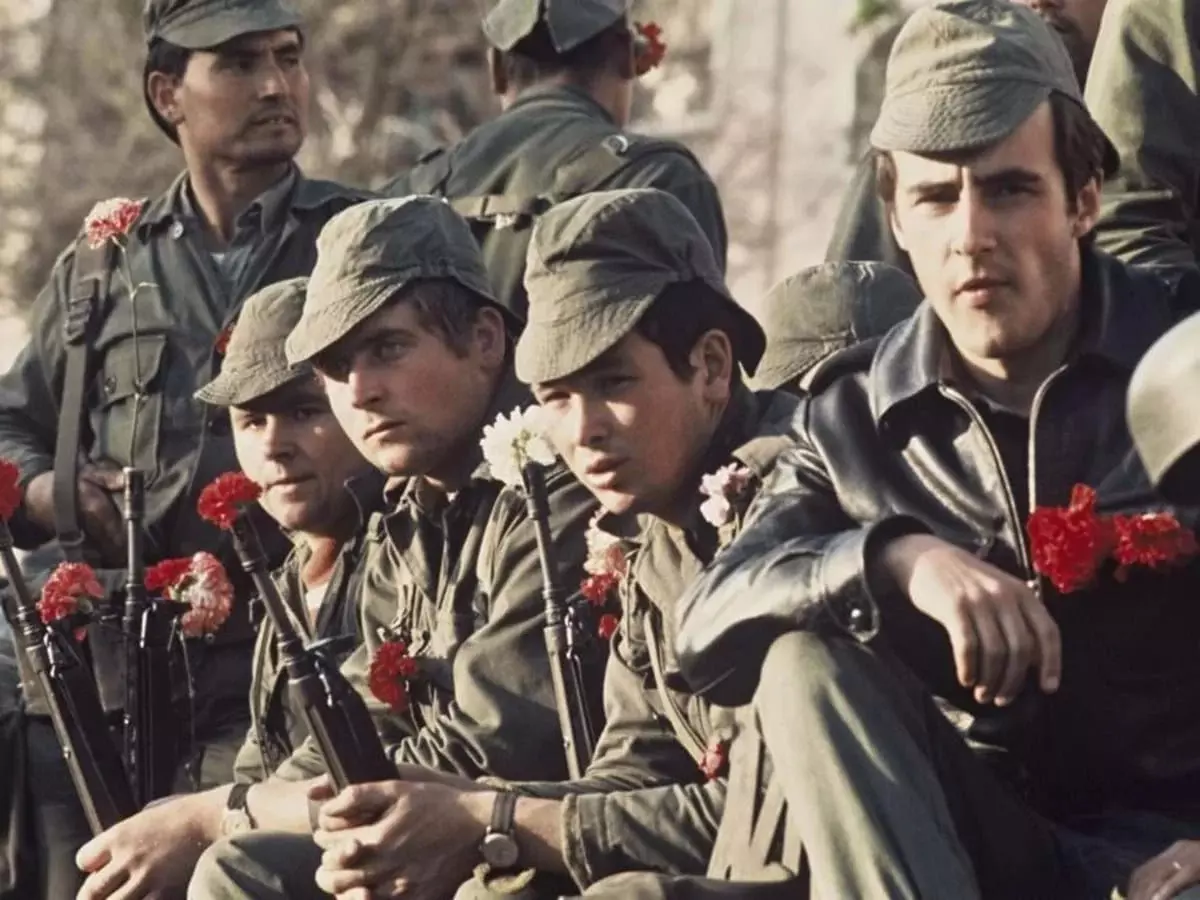
As tanks rolled through Lisbon streets, citizens poured out to celebrate. They were greeted by soldiers holding red carnations. These flowers symbolized peace and resistance against oppression.
Key moments unfolded quickly. The government’s radio station was seized, broadcasting messages urging citizens to join the uprising. By midday, most of the country had rallied behind this peaceful revolution.
The dictatorship crumbled without bloodshed as key political figures fled or surrendered. A pivotal moment occurred when Prime Minister Marcello Caetano stepped down, signaling an end to decades of authoritarian rule and igniting hope for democracy across Portugal.
How the Carnation Revolution Portugal Changed the Government
The Carnation Revolution Portugal marked a dramatic shift in governance. It dismantled an authoritarian regime that had ruled for decades.
On April 25, 1974, the movement led to the overthrow of the Estado Novo government. This change was not just political; it ignited hopes for democracy among citizens who longed for freedom.
With new leaders emerging from the revolution, power shifted towards more democratic principles. The provisional government focused on implementing reforms and addressing social inequalities.
Political parties were allowed to form freely, fostering a landscape where diverse voices could be heard. Citizens began participating actively in shaping their future.
The constitution established in 1976 reflected these changes, emphasizing civil liberties and human rights. This pivotal moment transformed Portugal into a thriving democracy with strong institutions supporting accountability and transparency.
The Role of the Military in the Carnation Revolution Portugal
The military played a pivotal role in the Carnation Revolution Portugal. On April 25, 1974, soldiers known as the Armed Forces Movement (Movimento das Forças Armadas) orchestrated a coup against the Estado Novo regime.
These troops were fed up with years of authoritarian rule and colonial wars in Africa. Their discontent fueled their desire for change. Many soldiers had experienced firsthand the toll of prolonged conflict, making them eager to seek peace.
When they took to the streets, they did so with minimal violence. Instead of guns and aggression, they adopted a unique tactic—flowers. The iconic red carnation became a symbol of hope and non-violence as it was placed in gun barrels and on uniforms.
This peaceful approach fostered public support and encouraged citizens to join forces with the military. Together, they united against oppression while promoting democracy for all Portuguese people.
Why It’s Called the Carnation Revolution Portugal
The Carnation Revolution Portugal gets its name from the humble carnation flower, a symbol of peace and hope. When the uprising began on April 25, 1974, soldiers wore these flowers in their gun barrels instead of weapons.
This act transformed a military coup into an emblematic event. The bright red petals contrasted sharply against the backdrop of oppression that had characterized Portuguese life under dictatorship for decades.
As revolutionaries took to the streets, citizens embraced this floral motif. It represented not just a struggle for freedom but also unity among people yearning for change.
The imagery of carnations blossoming amid turmoil became synonymous with the movement itself. Today, they serve as a reminder that peaceful resistance can flourish even in dark times.
Lasting Impact of the Carnation Revolution Portugal on Today’s Portugal
The legacy of the Carnation Revolution Portugal continues to resonate throughout the nation today. This peaceful uprising transformed a country that had been under authoritarian rule for nearly five decades into a democracy. The transition opened doors to human rights, freedom of expression, and political pluralism.
Today’s Portugal thrives on these democratized ideals. Citizens actively participate in elections, express diverse opinions freely, and engage in vibrant civil discourse. The revolution also fostered cultural growth and economic development, encouraging innovation across various sectors.
Portugal's journey since 1974 illustrates how resilience can reshape national identity. Festivals celebrating the revolution remind citizens of their history while inspiring younger generations to appreciate democratic values.
Moreover, the Carnation Revolution has influenced global movements advocating for peace and justice worldwide. It serves as an emblematic reminder that change does not always require violence; sometimes, it can begin with a single flower symbolizing hope and unity.
Thus, as Portugal embraces its past through remembrance and education, it remains committed to protecting the freedoms gained during this pivotal moment in its history—ensuring that future generations uphold the principles established by those brave individuals who dared to dream of a better tomorrow.