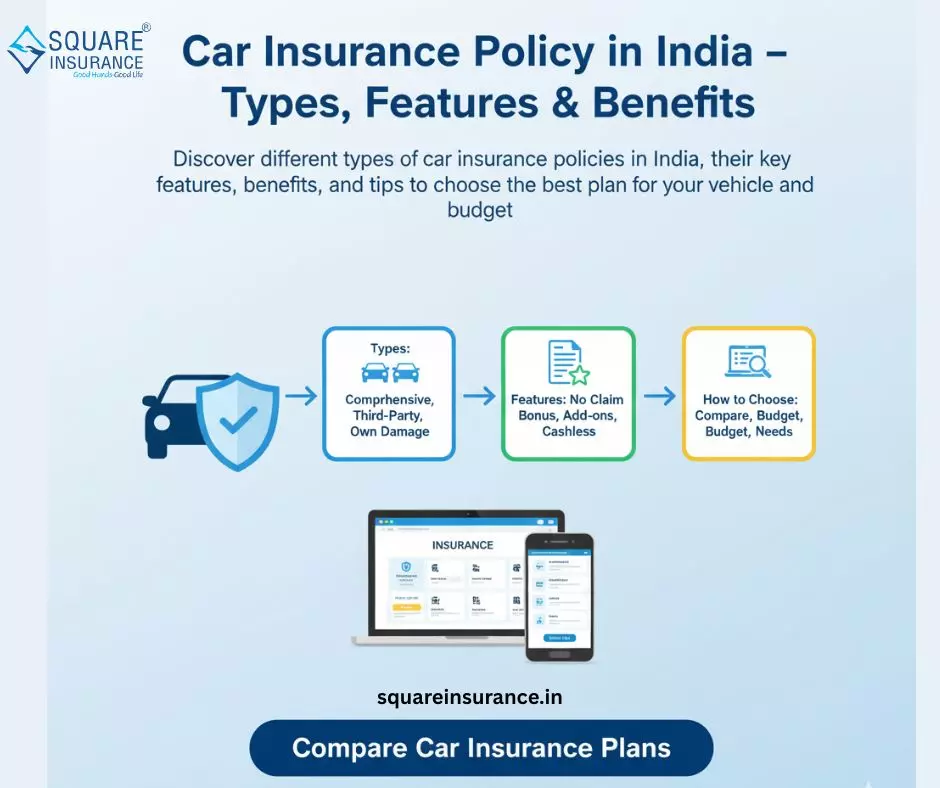
Car Insurance Policy in India – Types, Features, Benefits & How to Choose the Best Plan
Owning a car in India is more than just convenience—it’s a responsibility. Among the various responsibilities, securing the right car insurance policy is crucial. A well-chosen insurance plan not only safeguards your vehicle but also provides financial security in case of accidents, theft, or natural calamities. In this comprehensive guide, we’ll explore the types, features, benefits, and expert tips to choose the best car insurance policy in India for 2025.
What is Car Insurance?
A car insurance policy is a contract between the vehicle owner and an insurance provider, where the insurer agrees to compensate for financial losses caused due to accidents, theft, natural disasters, or third-party liabilities. In India, car insurance is mandatory under the Motor Vehicles Act, 1988, making it essential for every car owner.
Insurance not only ensures legal compliance but also protects your finances from unexpected expenses arising from accidents or damages.
Types of Car Insurance Policies in India
Understanding the different types of car insurance policies is key to making an informed choice. The primary categories include:
1. Third-Party Car Insurance
Third-party insurance covers damages or injuries caused to another person, vehicle, or property in an accident involving your car.
Key points:
- Mandatory by law in India
- Covers third-party liability, including property damage and bodily injury
- Affordable premiums
- Does not cover damages to your own vehicle
2. Comprehensive Car Insurance
Comprehensive insurance offers extensive coverage, protecting both your car and third-party liabilities.
Key points:
- Covers own vehicle damages due to accidents, fire, theft, and natural disasters
- Includes third-party liability
- Optional add-ons available, such as zero depreciation cover, roadside assistance, and engine protection
- Higher premium compared to third-party insurance but more extensive coverage
3. Standalone Own Damage (OD) Policy
An OD policy focuses solely on damages to your vehicle. It is suitable if you already have a third-party liability policy.
Key points:
- Covers accidental damages, fire, natural disasters, and theft
- Optional add-ons available
- Does not cover third-party liabilities
4. Long-Term Car Insurance
Long-term policies are valid for 2-3 years, eliminating the need for annual renewal.
Key points:
- Premiums are slightly higher upfront but save time and prevent annual premium hikes
- Available for both third-party and comprehensive policies
Key Features of a Car Insurance Policy
When evaluating a car insurance policy, consider the following features:
- Coverage Options – Ensure the policy covers your requirements, including accident, theft, natural calamities, and third-party liabilities.
- Add-On Covers – Popular add-ons include zero depreciation, engine and gearbox protection, roadside assistance, and personal accident cover.
- Claim Settlement Ratio (CSR) – A higher CSR indicates better reliability of the insurer in settling claims.
- Premium Affordability – Compare premiums across multiple providers for the same coverage to ensure value for money.
- Policy Tenure – Annual vs. multi-year plans affect renewal frequency and potential premium increases.
- Digital Services – Online purchase, renewal, and cashless claim services enhance convenience.
Benefits of Car Insurance
A robust car insurance policy provides multiple advantages:
1. Financial Protection
Insurance shields you from hefty repair bills, theft losses, or liabilities arising from third-party damages or injuries.
2. Legal Compliance
Driving without insurance in India is illegal. Having a valid policy ensures you avoid fines, penalties, and legal complications.
3. Peace of Mind
Knowing that your car and finances are protected allows you to drive confidently.
4. Optional Add-On Benefits
Add-ons enhance coverage and reduce out-of-pocket expenses. Popular options include:
- Zero depreciation cover
- Roadside assistance
- Engine and gearbox protection
- Personal accident cover for owner and passengers
5. Cashless Claims
Most insurers provide network garages where you can avail cashless repairs, minimizing hassle during accidents.
How to Choose the Best Car Insurance Policy
Selecting the right policy requires careful evaluation of your needs, budget, and risk factors. Follow these expert tips:
1. Assess Your Car’s Value and Usage
- New cars or high-value vehicles may benefit from comprehensive policies with add-ons.
- Older cars may be better suited to a third-party or standalone OD policy.
2. Compare Multiple Insurers
Use online platforms to compare:
- Premium rates
- Claim settlement ratios
- Coverage options
- Customer reviews
3. Check Add-On Options
Evaluate which add-ons suit your needs and budget. Avoid unnecessary covers that inflate premiums.
4. Understand Terms & Conditions
Read the fine print carefully, including:
- Deductibles
- Exclusions
- Claim procedures
5. Consider Policy Tenure
Multi-year policies provide stability and protect against premium hikes, but check if the insurer offers renewal flexibility.
6. Leverage No Claim Bonus (NCB)
NCB rewards claim-free years with discounts on renewal premiums. Maximizing NCB can significantly reduce long-term costs.
Online Purchase and Renewal Guide
The digital era has made car insurance convenient:
- Compare Policies Online – Use aggregator websites for quick comparison.
- Enter Vehicle & Personal Details – Ensure accuracy to avoid claim issues.
- Select Coverage & Add-Ons – Tailor the policy to your car and driving needs.
- Pay Premium Digitally – Payments via net banking, UPI, or cards are instantly processed.
- Download e-Policy – Keep a digital and print copy for verification during traffic checks.
- Renew On Time – Avoid lapses to maintain coverage and NCB benefits.
Conclusion
Choosing the right car insurance policy in India is crucial for financial security, legal compliance, and peace of mind. Whether you opt for a third-party policy for cost-effectiveness or a comprehensive plan for extensive protection, understanding your car’s value, coverage needs, and insurer reliability is key.
In 2025, with advanced online services, multi-year policies, and tailored add-ons, car insurance is not only mandatory but also a smart financial tool. By making informed decisions and regularly reviewing your policy, you can safeguard both your vehicle and your finances from unforeseen risks.
Remember, in car insurance, proactivity today saves you from major expenses tomorrow.
Frequently Asked Questions (FAQs)
1. What is a car insurance policy, and is it mandatory in India?
A car insurance policy is a contract between a vehicle owner and an insurer to cover financial losses due to accidents, theft, natural disasters, or third-party liabilities. Yes, car insurance is mandatory in India under the Motor Vehicles Act, 1988. Driving without insurance can lead to fines or legal penalties.
2. What are the different types of car insurance policies available in India?
The main types of car insurance policies in India include:
- Third-Party Car Insurance – Covers damages or injuries caused to others.
- Comprehensive Car Insurance – Covers both your vehicle and third-party liabilities.
- Own Damage (OD) Policy – Focuses only on damages to your own vehicle.
- Long-Term Car Insurance – Policies valid for 2-3 years, reducing annual renewals.
3. How is the premium of a car insurance policy calculated?
Car insurance premiums depend on factors such as:
- Vehicle type and engine capacity
- Car age and registration city
- Chosen coverage and add-ons
- Claim history and No Claim Bonus (NCB)
4. What are the benefits of purchasing a comprehensive car insurance policy?
Comprehensive car insurance provides:
- Coverage for own vehicle damages due to accidents, theft, or natural disasters
- Protection against third-party liabilities
- Optional add-ons like zero depreciation, roadside assistance, and personal accident cover
- Cashless claim services at network garages
5. Can I buy or renew a car insurance policy online?
Yes, most insurers offer digital purchase and renewal services. You can compare policies, select coverage and add-ons, pay premiums online, and instantly receive your e-policy, making the process convenient and paperless.