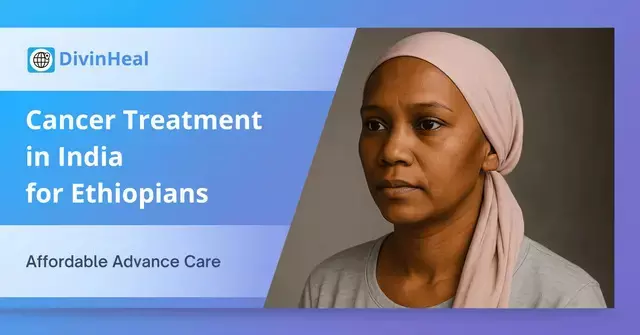
Cancer Treatment in India for Ethiopians: Accessing Affordable and Advanced Care
Cancer is one of the most pressing health challenges worldwide, and Ethiopia is no exception. The growing incidence of cancer, combined with limited healthcare infrastructure, shortage of specialists, and costly treatments, makes it difficult for many Ethiopian patients to receive timely care.
As a result, a significant number of patients look abroad for advanced, affordable, and reliable options. Cancer Treatment in India has become one of the most sought-after solutions for Ethiopians, offering world-class facilities, advanced technology, and cost-effective care.
Why Choose India for Cancer Treatment?
1. Cost-Effective Treatment
One of the strongest reasons Ethiopian patients seek Cancer Treatment in India is affordability. The overall treatment costs, including surgery, radiation, chemotherapy, and hospitalization, are much lower compared to Western countries. Patients often save between 60–80% of the expenses they might otherwise incur elsewhere. This cost advantage is critical for Ethiopian families, many of whom must bear medical expenses out-of-pocket.
2. Advanced Medical Infrastructure
India is home to some of the most advanced cancer hospitals, equipped with cutting-edge technology for diagnosis and treatment. Facilities include PET-CT scans, advanced MRI, robotic surgery, high-precision radiation therapy, and access to modern therapies like immunotherapy and targeted therapy. These technologies play a crucial role in accurate diagnosis, personalized treatment planning, and better outcomes.
3. Expert Oncologists and Multidisciplinary Teams
Indian oncologists and surgeons are globally recognized for their expertise. Many have trained or practiced in leading hospitals abroad and bring a high level of skill and experience to cancer management. Treatment is usually provided by a multidisciplinary team consisting of surgical oncologists, medical oncologists, radiation specialists, pathologists, and palliative care experts. This collaborative approach ensures that patients receive a well-rounded, customized treatment plan.
4. International Patient Services
Hospitals in India are highly experienced in handling international patients. Many leading centers have specialized departments to support foreign nationals with medical visas, accommodation arrangements, airport pick-ups, translators, and diet adjustments. This is particularly beneficial for Ethiopian patients, as it eases the stress of navigating treatment in a foreign country.
5. Wide Range of Treatment Options
Cancer Treatment in India covers the full spectrum of care:
- Chemotherapy for systemic cancer control
- Radiation therapy using advanced linear accelerators and image-guided techniques
- Surgery, including robotic and minimally invasive procedures
- Targeted therapy and immunotherapy for specific cancers
- Bone marrow and stem cell transplants for blood-related cancers
This diversity of options ensures that treatment can be tailored to the cancer type, stage, and the patient’s overall condition.
6. Research and Innovation
India is also actively involved in cancer research and clinical trials. Patients may have access to innovative treatments that are not widely available elsewhere, providing additional hope in advanced or rare cancer cases.
Cancer Challenges in Ethiopia
In Ethiopia, access to timely and advanced cancer treatment is limited. The country faces challenges such as:
- Shortage of oncology specialists and cancer-specific hospitals
- Delayed diagnosis due to lack of awareness and diagnostic facilities
- Limited access to advanced therapies like immunotherapy or robotic surgery
- Long waiting times for radiotherapy and chemotherapy
For many patients, these challenges mean delays in starting treatment, which can worsen outcomes. In this context, Cancer Treatment in India offers a chance for timely, accurate, and comprehensive care.
The Journey of an Ethiopian Patient Seeking Cancer Treatment in India
1. Medical Records and Initial Assessment
The first step is to collect all medical reports—diagnostic tests, imaging scans, biopsy results, and treatment history. These documents are shared with Indian hospitals for review. The oncology team then provides a treatment plan and estimated cost.
2. Choosing the Right Hospital
Patients should choose hospitals that are well-established in oncology care and equipped with the necessary technology for their specific cancer type. Factors such as the hospital’s track record, international accreditation, treatment facilities, and dedicated international patient services should be considered before making a decision.
3. Financial Planning
While treatment in India is significantly more affordable than in the West, costs can still be high for many families. Patients are advised to obtain a detailed estimate that includes surgery, chemotherapy or radiation cycles, hospital stays, tests, and follow-up consultations. Planning for accommodation, travel, and other indirect expenses is equally important.
4. Visa and Travel Arrangements
Ethiopian patients traveling for Cancer Treatment in India require a medical visa. Indian hospitals usually assist by providing a formal invitation letter, which is used for visa applications. Many hospitals also help with travel logistics, airport transfers, and lodging.
5. Arrival and Treatment Plan
Once in India, patients undergo a thorough evaluation by a multidisciplinary tumor board. This ensures that the treatment plan is tailored to the patient’s specific condition. Depending on the cancer type and stage, treatment may involve surgery, chemotherapy, radiation therapy, or a combination.
6. Follow-Up Care
Post-treatment follow-up is essential to monitor recovery and detect any recurrence. Many hospitals in India offer teleconsultation services for international patients, enabling Ethiopian patients to continue their follow-up care without frequent travel. This continuity ensures that the benefits of Cancer Treatment in India extend beyond the initial treatment phase.
Key Benefits for Ethiopian Patients
- Access to Advanced Technology: Ethiopian patients can access modern diagnostic tools and therapies not widely available at home.
- Reduced Waiting Times: Unlike in Ethiopia, where patients may face long delays, Indian hospitals often schedule international patients quickly.
- Comprehensive Support: From visas to accommodation, international patient services ensure smoother experiences for Ethiopian families.
- Better Outcomes: Early diagnosis, advanced therapies, and multidisciplinary care increase survival rates and quality of life.
- Affordable Excellence: Patients receive world-class treatment at costs far lower than in Western countries.
Challenges to Consider
While Cancer Treatment in India provides many opportunities, there are also challenges:
- Financial Burden: Even though costs are lower than the West, the overall expense can still be a challenge for Ethiopian families.
- Travel and Accommodation: Patients and caregivers must account for flights, lodging, and living expenses during treatment.
- Continuity of Care: Patients need to coordinate follow-up care with both Indian oncologists and Ethiopian doctors to ensure ongoing support.
- Cultural and Language Barriers: Although many hospitals offer interpreters, some patients may still face communication challenges.
Practical Steps for Ethiopian Patients
1. Collect Medical Records: Gather all available reports and scans before contacting hospitals in India.
2. Seek Multiple Opinions: Consult more than one hospital for treatment plans and cost estimates.
3. Plan Finances Carefully: Budget not only for treatment but also for travel, accommodation, and follow-up.
4. Use International Patient Services: Take advantage of hospital support for visas, lodging, and translation.
5. Stay Connected Post-Treatment: Use telemedicine or follow-up visits to ensure long-term recovery.
Conclusion
For Ethiopian patients, the journey of battling cancer can be overwhelming due to limitations in healthcare facilities, shortage of specialists, and financial constraints. In this context, Cancer Treatment in India presents a lifeline—offering advanced medical technology, world-class expertise, affordability, and comprehensive international patient support.
While challenges such as travel and cost management remain, the benefits far outweigh them for many patients. By planning carefully and choosing the right hospital, Ethiopians can access timely, effective, and affordable cancer care in India. Ultimately, Cancer Treatment in India represents hope, healing, and a chance at a healthier future for Ethiopian patients and their families.