Can You Use Sterile Water for Peptides? Benefits, Risks & FAQs
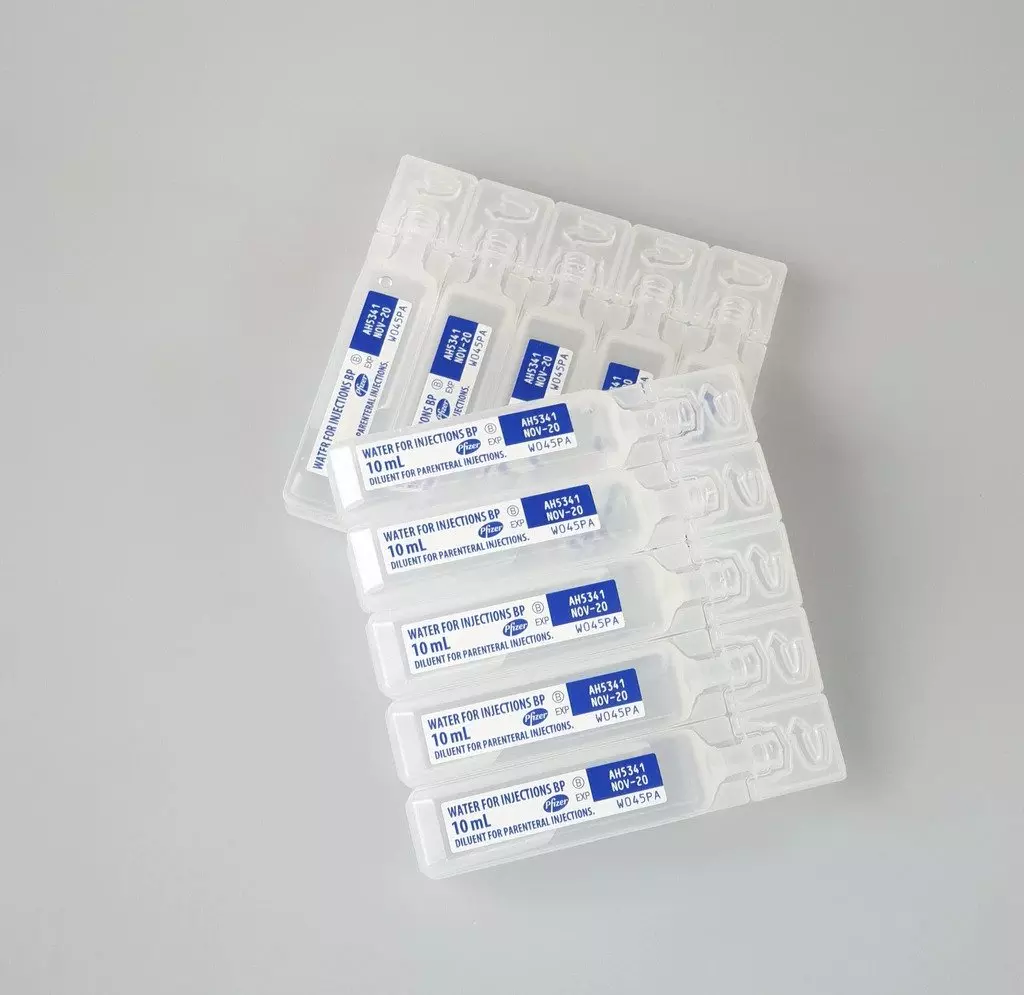
Yes, sterile water for peptides can be used for reconstituting certain peptides when immediate use or single-use preparation is appropriate.
However, because it contains no antimicrobial preservative, it should generally be used promptly after opening. The correct diluent depends on the peptide, manufacturer instructions, and healthcare guidance.
Introduction
Peptides are widely used in clinical research, pharmaceutical development, and healthcare settings.
Many peptide products are supplied in a freeze-dried (lyophilized) form and require reconstitution before use. Choosing the correct diluent is essential because it directly affects stability, sterility, and handling.
One of the most common questions is whether sterile water for peptides is an appropriate choice.
The answer depends on several factors, including how the peptide will be used, how long it needs to remain stable after mixing, and the manufacturer's instructions.
This guide explains how sterile water works, its benefits, potential limitations, safety considerations, and when alternative diluents may be more appropriate.
What Is Sterile Water for Peptides?
Sterile water for peptides refers to sterile, non-pyrogenic water intended for preparing injectable medications or laboratory solutions. It contains no antimicrobial preservatives, salts, or active ingredients.
Its primary purpose is to dissolve or reconstitute freeze-dried peptide powders before use according to approved medical or research protocols.
Unlike preserved diluents, sterile water is designed primarily for single-use situations. Once opened, contamination can occur because there are no ingredients that inhibit bacterial growth.
Healthcare professionals typically follow product labeling and institutional guidelines when selecting the appropriate diluent for peptide preparation.
How Does Sterile Water Work for Peptide Reconstitution?
Peptide reconstitution is the process of transforming a freeze-dried powder into a liquid solution.
The process generally involves:
- Inspecting the vial to ensure it is sealed and undamaged.
- Cleaning the vial stopper using appropriate aseptic technique.
- Drawing the prescribed volume of sterile water.
- Slowly introducing the liquid against the vial wall rather than directly onto the powder.
- Allowing the peptide to dissolve naturally without vigorous shaking.
- Using the prepared solution according to product-specific instructions.
Proper handling minimizes foaming and helps preserve peptide integrity. Different peptides have different stability profiles, making manufacturer guidance particularly important.
Key Benefits of Sterile Water for Peptides
Sterile water offers several practical advantages when used appropriately.
High Purity
Sterile water contains no preservatives, additives, or dissolved salts, making it suitable for many pharmaceutical preparations where pure water is required.
Supports Accurate Reconstitution
When the recommended volume is used, sterile water helps achieve the intended peptide concentration for accurate dosing.
Compatible with Many Products
Many injectable medications and certain peptides specify sterile water as an acceptable diluent, although recommendations vary by manufacturer.
Reduced Risk of Chemical Interactions
Because sterile water contains no preservatives or buffering agents, there is less chance of ingredient interactions with sensitive formulations.
Widely Used in Healthcare
Hospitals, pharmacies, laboratories, and research facilities routinely use sterile water during medication preparation under sterile conditions.
Safety, Risks, and Important Considerations
Although sterile water has important advantages, understanding its limitations is equally important.
No Antimicrobial Preservative
The biggest consideration is that sterile water does not contain preservatives such as benzyl alcohol. Once opened, bacterial contamination may occur if aseptic handling is not maintained.
Limited Storage After Reconstitution
Many reconstituted peptide preparations have limited stability. Storage recommendations differ depending on the peptide formulation, manufacturer guidance, and preparation conditions.
Always Follow Product Instructions
Not every peptide should be mixed using sterile water. Some manufacturers recommend preserved diluents or other compatible solutions instead.
Use Proper Sterile Technique
Good aseptic practices reduce contamination risk during preparation.
These include:
- Washing hands thoroughly
- Using sterile syringes and needles
- Cleaning vial stoppers
- Avoiding repeated unnecessary vial punctures
- Storing products according to labeled instructions
Consult Healthcare Professionals
Questions regarding peptide preparation should always be directed to qualified healthcare professionals who can provide guidance based on the specific product.
Read: Is BAC Water Safe for Laboratory and Research Use in Australia?
Sterile Water vs Other Common Diluents
Several diluents may be used depending on the intended application.
Sterile Water
- Contains no preservatives
- Often appropriate for immediate or single-use preparation
- May have shorter usability after opening
Bacteriostatic Water
Contains an antimicrobial preservative that helps reduce bacterial growth in multi-dose applications when appropriate. Product labeling determines whether it is suitable for a specific peptide.
Sodium Chloride Solutions
Some medications require saline rather than sterile water. For example, sodium chloride for injection 10ml is commonly used in healthcare for medications that require an isotonic diluent. However, saline is not interchangeable with sterile water unless the manufacturer specifically recommends it.
Selecting the correct diluent should always be based on official prescribing information rather than personal preference.
Real-World Use Cases
Across Australia, peptide preparation occurs in hospitals, research laboratories, specialty clinics, and pharmaceutical environments.
Examples include:
- Clinical pharmacy medication preparation
- Research laboratory peptide studies
- Hospital compounding procedures
- Pharmaceutical quality-control testing
- Educational and scientific research
Healthcare organizations prioritize sterile preparation techniques, validated storage conditions, and manufacturer-approved reconstitution methods.
Educational resources from organizations such as Bacteriostatic Water Australia often emphasize understanding the differences between sterile water, bacteriostatic water, and saline solutions while encouraging users to follow professional medical guidance.
People Also Ask
Q1. Can sterile water damage peptides?
When used according to manufacturer instructions, sterile water itself does not generally damage peptides.
Problems are more likely to arise from improper handling, incorrect storage temperatures, excessive agitation, contamination, or using an unsuitable diluent for the specific peptide formulation.
Q2. Is sterile water better than saline?
Neither option is universally better. Some medications require sterile water, while others specifically require saline solutions because of their formulation characteristics. Always use the diluent recommended by the product manufacturer or healthcare provider.
Q3. How long does sterile water remain sterile after opening?
Because sterile water contains no preservative, its sterility depends on handling conditions after opening. Healthcare facilities generally follow strict protocols, and opened containers should be used according to manufacturer recommendations.
Frequently Asked Questions
Q1. What is bac water for peptides?
Bacteriostatic water is sterile water containing a small amount of benzyl alcohol that helps inhibit bacterial growth after repeated vial access. Some peptide products may permit its use, while others specifically require preservative-free sterile water. Always follow product labeling.
Q2. Is sterile water the same as bacteriostatic water?
No. Sterile water contains only purified sterile water, whereas bacteriostatic water contains an antimicrobial preservative. This difference influences how each product may be handled after opening and determines which medications they are compatible with.
Q3. Can I find bac water Australia products for medical use?
Australia has medical suppliers and pharmaceutical distributors that provide sterile preparation products for healthcare and research settings.
Availability depends on local regulations, intended use, and supplier policies. Users should ensure products meet applicable Australian standards.
Q4. Is sodium chloride for injection 10ml interchangeable with sterile water?
No. Although both are sterile injectable diluents, sodium chloride contains dissolved salt and is isotonic, while sterile water contains no salts. They should not be substituted unless the medication's prescribing information specifically allows it.
Q5. Can I purchase bac water chemist products from any pharmacy?
Availability varies between pharmacies, wholesalers, and healthcare suppliers. Some products may require professional ordering channels or have limited availability depending on local regulations and intended clinical use.
Q6. When should sterile water not be used for peptides?
Sterile water should not be used when the peptide manufacturer specifies another compatible diluent or when storage requirements exceed what preservative-free solutions are intended to support. Following official preparation instructions helps ensure product quality and patient safety.
Key Takeaways
- Sterile water for peptides is commonly used for reconstituting certain peptide products.
- It contains no preservatives, additives, or salts.
- Sterile water is generally intended for immediate or single-use preparation after opening.
- Proper aseptic technique is essential to reduce contamination risk.
- Some peptide products require bacteriostatic water or saline instead.
- Sodium chloride for injection 10ml serves different clinical purposes and should not replace sterile water unless specified.
- Always follow manufacturer instructions and healthcare professional guidance when preparing peptides.
Disclaimer
This article is intended for educational purposes only and should not replace professional medical advice, diagnosis, or treatment.
Always consult a qualified healthcare professional and follow the manufacturer's prescribing information before preparing, reconstituting, or administering any peptide or injectable medication.