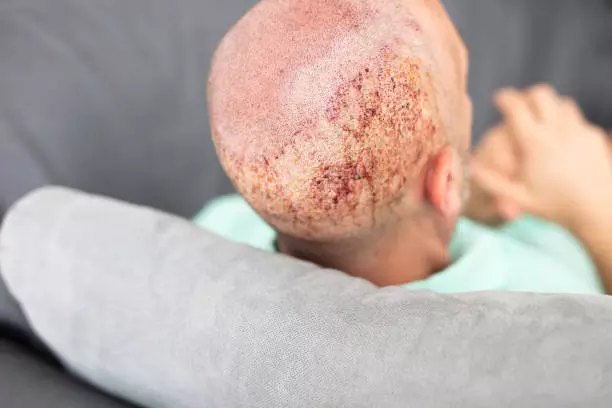
Can Exercise Affect Sideburn Hair Transplant Recovery?
Exercise is an important consideration after Sideburn Hair Transplant in Dubai, particularly during the early healing period.
Intense workouts can increase sweating, involve accidental contact with the face, and expose healing skin to friction or pressure, so patients are generally advised to return to training gradually according to their clinician's instructions.
The restriction is temporary. Once the recipient area has healed adequately, most patients can work back toward their normal fitness routine.
Why Exercise Matters After Sideburn Transplantation
Exercise affects several factors that can be relevant immediately after transplantation.
Intense physical activity increases body temperature and sweating. Certain workouts also involve bending, wiping the face, wearing equipment, or touching the treated area.
The concern is therefore not exercise itself. It is the combination of exertion, sweat, friction, pressure, and accidental contact during the vulnerable healing stage.
The First Days Require the Most Caution
Immediately after transplantation, the grafts and recipient skin require protection.
This is the period when patients should be most careful about unnecessary physical activity and contact.
Your clinic may recommend limiting strenuous exercise for a specific period based on the procedure performed.
Do not use another patient's recovery schedule as your own.
Why Heavy Sweating Can Be Uncomfortable
Sweating can make the recipient area feel moist, itchy, or irritated.
Patients may instinctively wipe their face, rub the sideburns, or use a towel repeatedly. These actions can create friction that is best avoided while the skin is healing.
If you perspire, follow the gentle cleaning and drying method recommended by your clinic.
When Can You Return to the Gym?
The answer depends on the intensity of your training and your individual healing.
Walking and light movement may be treated differently from heavy resistance training, high-intensity interval training, or endurance workouts.
Your clinician can determine when each level of activity is appropriate.
A gradual return is generally more sensible than immediately resuming your maximum training load.
Weight Training and Heavy Lifting
Resistance training can involve considerable exertion and straining.
It may also cause sweating and require frequent face wiping, particularly in a warm gym.
If your clinician has restricted heavy lifting during the early recovery period, follow that restriction even if you feel physically capable of exercising.
Feeling well does not necessarily mean the recipient skin has completed its healing process.
Gym Equipment Can Create Accidental Contact
A sideburn can come into contact with:
- Towels
- Helmets
- Headphones
- Exercise benches
- Hands
- Clothing
- Training equipment
Being aware of these contact points can help reduce accidental irritation.
Read: Top 10 Best Hair Transplant Clinics in India
Cardio and High-Intensity Training
Running, cycling, HIIT, boxing, and other vigorous activities can produce significant sweating.
High-intensity exercise should therefore be reintroduced only when your clinical team considers the recipient area ready.
Outdoor cardio also introduces another consideration in Dubai: direct sun exposure.
Outdoor Exercise in Dubai
Running or cycling outdoors can combine several factors at once:
- Heat
- Sweat
- Strong sunlight
- Wind
- Dust
- Frequent face wiping
During early recovery, indoor or lower-intensity alternatives may be more practical if approved by your clinician.
Swimming After Sideburn Hair Transplant
- Swimming deserves separate consideration because the recipient skin is still healing.
- Pools contain disinfectants, while natural water can expose healing skin to microorganisms.
- Hot tubs and similar environments may also involve heat that is undesirable during the early recovery period.
- Wait until your clinician gives you clearance before returning to swimming.
Sauna and Steam Room Use
Saunas and steam rooms expose the body to high temperatures and humidity.
They are generally activities that should be postponed during the early recovery stage unless your medical team specifically approves them.
Once healing is complete, restrictions may no longer apply.
Contact Sports Need Extra Care
Boxing, martial arts, football, basketball, and other contact sports create a greater risk of accidental impact.
A direct hit or rubbing from equipment can be particularly undesirable when the recipient area is still healing.
If you participate in contact sports regularly, tell your clinician before treatment so your recovery schedule can account for your training requirements.
What About Yoga and Bending?
Not every form of yoga presents the same level of risk.
Gentle movement may be very different from prolonged inverted positions or strenuous sessions.
The important consideration is whether the activity has been restricted by your clinician and whether it causes excessive exertion, sweating, or pressure.
When in doubt, ask your treating team about the specific movements you want to perform.
Returning to Exercise Without Overdoing It
A sensible return to training can be gradual.
Start with the level of activity your clinician has approved and monitor how the treated area feels.
If you notice increasing irritation, discomfort, swelling, or other unusual symptoms, stop the activity and contact your medical team.
The goal is not to prove how quickly you can return to the gym. It is to return without unnecessarily disturbing the recovery process.
Clinic note: Exercise restrictions vary according to the procedure, graft placement, healing response, and individual circumstances. Follow the postoperative schedule provided by your own treating clinician.
Exercise Does Not Determine Long-Term Hair Growth
Patients sometimes worry that missing workouts will affect the eventual result.
The long-term development of transplanted sideburn hair depends primarily on follicle survival, blood supply, healing, and the natural growth cycle.
A temporary reduction in exercise does not mean that the transplant will grow more slowly simply because you took time away from the gym.
When to Stop Exercising and Seek Advice
If exercise is followed by unusual or worsening symptoms around the recipient area, contact your clinic.
Particular attention is warranted if you experience:
- Increasing pain
- Significant swelling
- Persistent bleeding
- Spreading redness
- Discharge
- Fever
- Severe irritation
Your treating team can determine whether the symptom is part of normal recovery or needs examination.
Planning Your Procedure Around Your Fitness Routine
Active patients can make recovery easier by planning ahead.
If you have a marathon, bodybuilding competition, boxing event, sports tournament, or intensive training cycle approaching, mention it during your consultation.
Scheduling the procedure when you can temporarily reduce training may be more convenient than trying to work around a demanding fitness calendar.
Keep Fitness and Recovery in Balance
Taking a short break from intense training is a small part of the overall transplantation journey. Protecting the recipient area early allows you to return to your normal fitness routine with greater confidence once healing is established.
If you are planning Sideburn Hair Transplant in Dubai and want to understand how the procedure could fit around your gym, sports, travel, or work schedule, arrange a personalized consultation with Tajmeels Clinic.