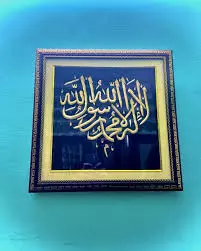
Buy Original Kaaba Kiswa – Authentic Black Kiswah Cloth
Experience the Majesty of the Original Kaaba Kiswa
The Kaaba Kiswa, the sacred black cloth that envelopes the Holy Kaaba in Makkah, is not just a textile—it is a symbol of divine heritage, deep spirituality, and historical significance. Each year, a new Kiswa is meticulously crafted by skilled artisans in Saudi Arabia, and the old one is reverently removed, cut into pieces, and distributed to dignitaries and selected individuals.
For collectors, devout Muslims, and institutions around the world, buying an original Kaaba Kiswa represents a rare opportunity to own a piece of Islamic history.
What is the Kaaba Kiswa?
The Kiswa is a richly embroidered black cloth made of pure silk, intricately adorned with gold and silver threadwork that quotes verses from the Holy Qur'an. Measuring approximately 14 meters high and 47 meters wide, the Kiswa covers all four sides of the Kaaba, the holiest site in Islam. The belt (Hizam) running around the upper third of the Kiswa contains Qur'anic inscriptions, beautifully handwoven and perfectly symmetrical.
Crafted at the Kiswa Factory in Makkah, this cloth is a masterwork of craftsmanship and devotion. Every thread echoes reverence and honor, requiring over 670 kilograms of silk, dyed black, and more than 150 kilograms of pure gold and silver thread for the calligraphy.
Why the Kaaba Kiswa is So Valuable
Owning a piece of the original Kaaba Kiswa is akin to preserving a living relic of Islam. The material has touched the sacred Kaaba itself, absorbing the prayers, rituals, and emotions of millions of pilgrims. The profound spiritual value is enhanced by the limited availability of authentic Kiswa pieces. Only a small number of segments are ever released, making them extraordinarily rare and highly sought-after worldwide.
Institutions such as mosques, Islamic museums, collectors, scholars, and leaders cherish these pieces as irreplaceable treasures, often encasing them in glass for display and protection.
Where to Buy the Authentic Kaaba Kiswa
If you're looking to buy an original Kaaba Kiswa, it’s crucial to ensure 100% authenticity. Only a few trusted sources globally are authorized or connected closely enough with the Saudi authorities to distribute real pieces of the Kiswa. Here’s how to ensure what you're buying is genuine:
- Request Certification: Each authentic Kiswa piece should be accompanied by an official certificate of authenticity. The document usually comes from the King Abdul Aziz Complex for the Manufacturing of the Kaaba Kiswa or a reputable Islamic organization.
- Check Provenance: Authentic Kiswa cloths often come with a verified origin, such as gifts from Hajj officials or Islamic institutions with permission to distribute them.
- Buy from Trusted Dealers: Look for vendors that have verifiable history, customer reviews, and strong ties with Islamic authorities. Avoid marketplaces that do not provide background on the source.
- Inspect the Embroidery: Real Kiswa fabric is known for its fine hand-stitched gold and silver embroidery, with verses from the Qur’an woven into the silk in Thuluth script.
Original Kaaba Kiswa Pricing Guide
The price of original Kaaba Kiswa fabric varies dramatically based on size, design, provenance, and condition. Small certified fragments (often measuring 10x10 cm or slightly larger) may start from $1,500 to $5,000 USD, while larger pieces from the Hizam or curtain of the door (Sitara) can fetch prices from $10,000 to $100,000 USD or more, depending on their history and presentation.
Special elements such as:
- Sitara (Door Curtain)
- Hizam (Golden Band around the Kaaba)
- Corner Panels (Rukn al-Yamani or al-Hajar al-Aswad areas)
are extremely rare and carry museum-level significance, often priced in the six-figure range.
Displaying and Preserving the Kaaba Kiswa
Once acquired, proper display and preservation of your Kaaba Kiswa piece is essential. Due to the delicate silk and metallic threads, the cloth should be:
- Framed behind UV-resistant glass
- Stored in a climate-controlled environment
- Handled with gloves to avoid damage from oils or moisture
Many choose to mount the Kiswa on velvet backdrops, adding Arabic calligraphy or information plaques to highlight its significance. Displayed in homes, masjids, or museums, the Kiswa serves as a reminder of Allah’s House and our connection to it.
The History Behind the Sacred Cloth
The tradition of covering the Kaaba dates back to the time of Prophet Ismail (A.S.), and it has evolved under various caliphates. However, it was during the Ottoman and then Saudi eras that the Kiswa attained its current form and design. The modern Kiswa is manufactured annually by the Kiswa Factory in Makkah, established by King Abdul Aziz in 1927.
Each Kiswa takes around 8 to 10 months to complete, involving over 200 skilled workers and artisans. The process is a combination of manual embroidery and advanced weaving technology, but the gold-thread calligraphy is still done entirely by hand, symbolizing timeless Islamic artistry.
Who Buys the Kaaba Kiswa?
The buyers of the original Kaaba Kiswa include:
- Islamic museums
- Wealthy collectors
- Religious leaders and scholars
- Institutions wishing to honor religious figures
- Hajj tour organizers gifting clients or partners
- Philanthropists supporting Islamic heritage preservation
For many, it is not just a purchase, but a waqf (endowment)—a charitable act in support of Islamic legacy.
Beware of Replicas and Counterfeits
As the demand grows, counterfeit Kiswa replicas have entered the market. Many replicas are visually impressive but have never touched the Kaaba and often lack the sacred value of authenticity. Common red flags include:
- No certificate of authenticity
- Overly low pricing
- Mass-produced designs without Qur’anic verses
- No embroidery or metallic thread
While replicas serve a decorative purpose, they do not carry the same religious and historical essence as the authentic fabric.
Final Thoughts: A Gift of Legacy and Devotion
To buy original Kaaba Kiswa is to invest in a timeless, sacred heritage. Whether you're a collector, a believer, or a representative of an institution, acquiring this relic is a profound gesture of reverence and love for the House of Allah (SWT). It's more than fabric—it is a living artifact of Islamic devotion, a silent witness to millions of pilgrimages, duas, and moments of divine connection.