Business Information Report vs. Business Risk Report: What’s the Difference?
In the modern business landscape, reliable information is critical for making informed decisions, evaluating partnerships, and managing risk. Entrepreneurs, investors, and financial institutions often rely on multiple types of reports to understand a company’s operations, financial health, and potential threats.
Two of the most widely used reports are the Business Information Report and the Business Risk Report. Though they complement each other, they serve distinct purposes and provide different types of insights.
Understanding the difference between these reports can help organizations make smarter decisions, minimize risks, and enhance financial transparency.
What Is a Business Information Report?
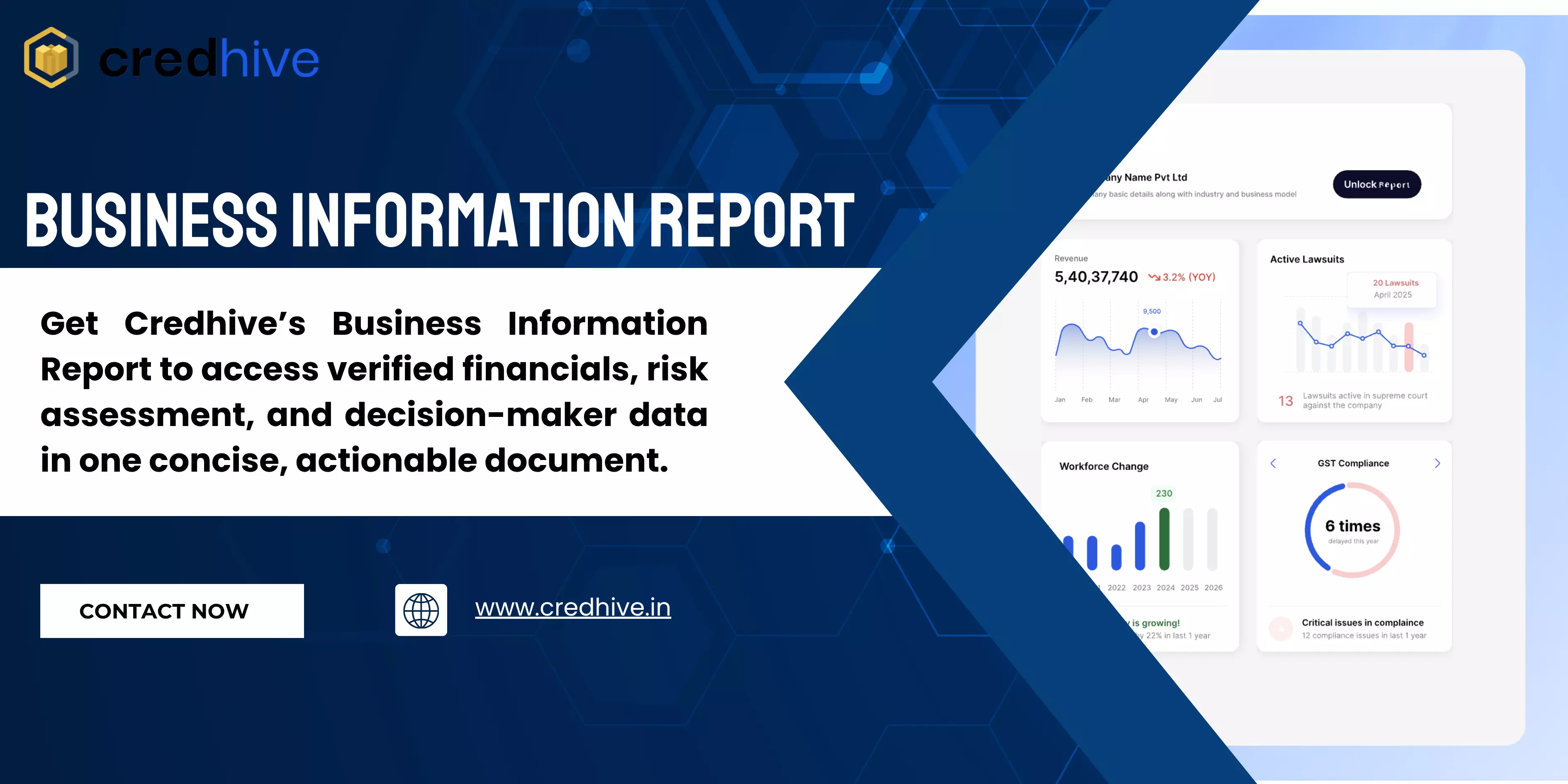
A Business Information Report (BIR) provides a detailed overview of a company’s fundamental details and operations. It typically includes:
- Company Identification: Legal name, registration number, address, and ownership details.
- Management Structure: Key executives, directors, and board members.
- Operational Overview: Number of employees, locations, products, and services.
- Financial Summary: Revenue, profitability, and basic financial health indicators.
- Compliance and Legal Status: Any regulatory filings, certifications, or licenses.
Essentially, a BIR offers a holistic snapshot of the company’s structure, operations, and credibility. This report is particularly useful for due diligence, partnership evaluations, and market research.
What Is a Business Risk Report?
A Business Risk Report (BRR) focuses on potential threats that could negatively impact a company’s financial stability or operational success. Unlike a BIR, which describes the company, a BRR analyzes vulnerabilities and risks. A typical Business Risk Report includes:
- Financial Risks: Debt exposure, cash flow issues, and potential defaults.
- Operational Risks: Supply chain vulnerabilities, workforce concerns, and process inefficiencies.
- Legal and Regulatory Risks: Pending litigations, non-compliance issues, and penalties.
- Market Risks: Competitive pressures, market volatility, and economic uncertainties.
- Credit and Reputation Risks: Payment behavior, client defaults, and public perception.
The main objective of a BRR is to identify areas where a company may face challenges and provide actionable insights for mitigation.
Key Differences Between BIR and BRR
AspectBusiness Information Report (BIR)Business Risk Report (BRR)PurposeProvides a snapshot of company structure, operations, and basic financialsAnalyzes potential risks that may impact financial stability or operationsFocusCompany overview, management, compliance, revenueFinancial, operational, legal, and market risksUse CasesPartnership
evaluations, market research, due diligenceRisk management, investment decisions, credit assessmentContentRegistration details, directors, business activities, financial summaryDebt analysis, creditworthiness, operational vulnerabilities, legal risksOutcomeHelps assess credibility and operational capacityHelps prevent losses and minimize potential threats.
How Both Reports Complement Each Other
While each report serves a distinct purpose, using both together provides a comprehensive understanding of a company:
- Enhanced Decision-Making: Combining operational and risk data ensures decisions are backed by facts and risk assessments.
- Holistic Due Diligence: For mergers, acquisitions, or partnerships, both reports provide a full picture of a company’s health and potential vulnerabilities.
- Strategic Planning: By understanding both company operations and risks, organizations can plan growth, investments, and collaborations more effectively.
- Financial Transparency: Lenders, investors, and suppliers gain confidence when both operational and risk factors are documented.
For example, a supplier may review a Business Information Report to understand a client’s operations and business scale, and a Business Risk Report to evaluate the likelihood of delayed payments or defaults.
The Role of Business Credit Reports
In addition to BIR and BRR, a Business Credit Report (BCR) is often used to assess a company’s creditworthiness. While a BIR provides an overview and a BRR identifies risks, a BCR analyzes financial reliability and payment behavior. Together, these three reports provide a 360-degree view:
- BIR: Who the company is and what it does.
- BRR: What risks the company faces.
- BCR: How financially reliable the company is.
Investors, lenders, and strategic partners benefit immensely from using all three reports for due diligence and decision-making.
How Credhive Supports Comprehensive Reporting
Platforms like Credhive make it easier for businesses to access Business Information Reports, Business Risk Reports, and Business Credit Reports efficiently. Credhive consolidates verified data from multiple sources, allowing users to:
- Quickly Find Indian Business Information and Search Company Information.
- Generate detailed, actionable reports for investors, lenders, and partners.
- Assess financial stability, operational risks, and compliance simultaneously.
By offering a one-stop solution, Credhive helps businesses save time, reduce risk, and make informed strategic decisions.
Practical Applications
- Investors: Use all three reports to evaluate potential investments and mitigate financial risk.
- Banks and Lenders: Assess creditworthiness and exposure before extending loans.
- Businesses: Screen vendors, suppliers, and partners for credibility and reliability.
- Entrepreneurs: Conduct market research and competitor analysis for strategic planning.
Conclusion
Understanding the differences between a Business Information Report and a Business Risk Report is essential for smart business decisions. While a BIR provides a comprehensive overview of a company, a BRR focuses on identifying potential threats and vulnerabilities. Combined with a Business Credit Report, these tools provide a full perspective on a company’s credibility, financial health, and risk profile.
Platforms like Credhive simplify access to these reports, offering verified, actionable insights that empower businesses to make data-driven decisions, reduce risk, and build long-term trust in B2B relationships. In today’s fast-paced market, leveraging these reports is not just advantageous — it’s essential for sustainable growth and financial transparency.