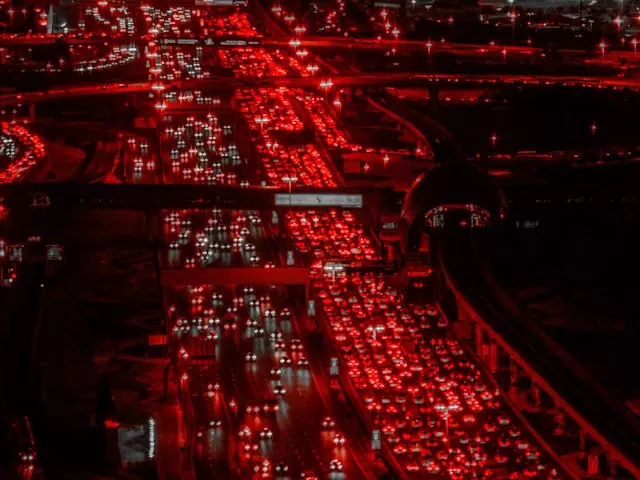
Busiest Highways in the US: A Deep Dive into America’s Traffic Hotspots
Highways are the lifelines of the United States. They connect cities, power businesses, and keep millions of people moving every single day. Yet, as essential as they are, many of these roads are notorious for heavy traffic and congestion. In this article, we’ll explore the busiest highways in the US, why they’re so crowded, and what it means for commuters, businesses, and the future of travel.
Why US Highways Matter
Imagine waking up early for work, only to find yourself stuck in bumper-to-bumper traffic for hours. This is a daily reality for millions of Americans. Highways don’t just impact how quickly people get to work — they affect the economy, fuel costs, stress levels, and even health. The busiest highways in the US reveal a lot about population growth, urban development, and the challenges of modern transportation.
The Top 10 Busiest Highways in the US
- I-405 (Los Angeles, California)
- Nicknamed the “San Diego Freeway,” I-405 is infamous for its gridlock. Stretching through Los Angeles, this highway connects key business districts, airports, and residential areas. With millions of cars daily, it’s often ranked as the busiest highway in the US.
- I-95 (East Coast Corridor)
- Running from Miami, Florida, to Maine, I-95 serves as the backbone of the East Coast. It’s essential for commuters, long-haul trucking, and travelers. With heavy daily usage, especially in cities like New York, Philadelphia, and Washington, D.C., congestion is a constant challenge.
- I-10 (Los Angeles to Jacksonville)
- Crossing the entire southern US, I-10 is a critical trade and travel route. The sections in Houston, Phoenix, and Los Angeles are particularly congested due to population density and commercial transport.
- I-80 (San Francisco to Teaneck, New Jersey)
- As one of the longest highways in the country, I-80 connects major metropolitan areas. Chicago’s stretch is especially notorious for traffic bottlenecks.
- I-285 (Atlanta, Georgia)
- This loop around Atlanta is a commuter nightmare during rush hour. Known as the “Perimeter,” it’s a vital connection point for I-75, I-85, and I-20.
- US-101 (California)
- Serving the San Francisco Bay Area and Los Angeles, US-101 is a major artery in California. Silicon Valley traffic alone makes this route one of the busiest highways in the US.
- I-35 (Texas to Minnesota)
- Texas sections, especially in Austin and Dallas-Fort Worth, see relentless congestion. With booming populations, this highway struggles to keep up with demand.
- I-290 (Chicago, Illinois)
- Chicago’s Eisenhower Expressway sees some of the heaviest traffic in the Midwest. Its urban location makes it prone to daily jams.
- I-76 (Philadelphia, Pennsylvania)
- Known locally as the Schuylkill Expressway, this highway is infamous for daily gridlock and unpredictable delays.
- I-495 (Washington, D.C. Beltway)
- Encircling the nation’s capital, I-495 is always busy. Government workers, commuters, and interstate travelers all rely on this road.
Why Are These Highways So Congested?
The busiest highways in the US share common challenges:
- Population Growth: Rapid urban development leads to more cars on the road.
- Economic Hubs: Highways serving major cities naturally attract heavier traffic.
- Limited Alternatives: In many regions, public transportation is either limited or unreliable.
- Freight and Logistics: Trucks carrying goods across the country add to the load.
Impact on Commuters and Businesses
For commuters, congestion means lost time, higher stress, and increased fuel expenses. Businesses also face delays in shipping and logistics, which can drive up costs. According to studies, traffic congestion costs the US economy billions each year in wasted time and fuel.
Tips for Navigating Busy Highways
While congestion can’t always be avoided, drivers can take proactive steps:
- Plan Ahead: Use apps like Google Maps or Waze for real-time updates.
- Drive Off-Peak: Whenever possible, avoid peak morning and evening rush hours.
- Carpool or Rideshare: Reduces the number of vehicles on the road.
- Leverage Public Transit: In areas like New York or Washington, D.C., reliable alternatives exist.
- Stay Calm: Keeping stress in check improves safety and mental well-being.
The Future of US Highways
Infrastructure upgrades, smart traffic management systems, and investment in public transit could help ease congestion in the coming decades. With the rise of electric and autonomous vehicles, we may see changes in how traffic flows on even the busiest highways in the US.
Conclusion
The busiest highways in the US are more than just roads — they’re a reflection of America’s growth, challenges, and resilience. While traffic jams are frustrating, they also highlight the importance of strong infrastructure to support a modern economy. Whether you’re a daily commuter in Los Angeles or a long-haul trucker on I-95, understanding these highways helps us all navigate the future of travel with more awareness and preparation.