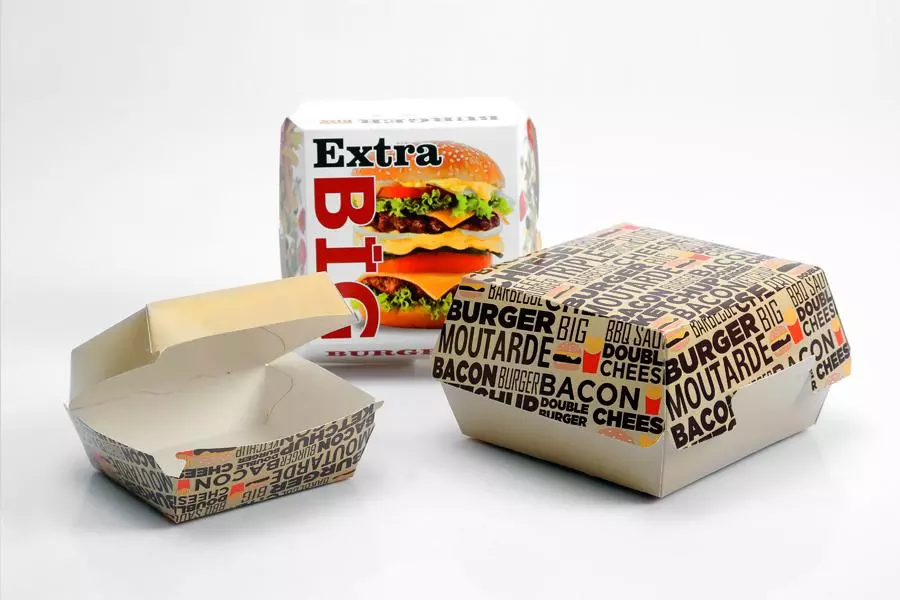
Burger Packaging Material: The Science Behind Fresh, Safe, and Sustainable Burgers
In the fast-paced world of food service, the right burger packaging material is more than just a wrapper — it’s an essential part of the customer experience. From preserving freshness to ensuring sustainability, burger packaging plays a vital role in the fast-food industry and beyond. Let’s explore what makes an ideal packaging solution for burgers, the materials commonly used, and how innovation is shaping the way restaurants serve this global favorite.
Why Burger Packaging Material Matters
Ever wondered why some burgers arrive soggy while others stay perfectly warm and crisp? The secret lies in the packaging. A well-designed burger packaging material protects the burger’s texture, temperature, and flavor from kitchen to customer.
Good packaging achieves three main goals:
- Heat retention – keeping the burger warm during transport.
- Moisture control – preventing sogginess or drying out.
- Environmental responsibility – using recyclable or compostable materials to minimize waste.
In addition, it’s often the first impression a customer gets from your brand. A neatly packed burger with eco-friendly packaging can signal care, quality, and sustainability — values that customers today deeply appreciate.
Types of Burger Packaging Materials
Burger packaging has evolved significantly over the years. Gone are the days of only wax paper wraps or styrofoam clamshells. Modern packaging solutions are designed with performance, presentation, and planet in mind. Below are the most common materials used today.
1. Paper-Based Packaging
Paper remains one of the most popular and cost-effective burger packaging materials. Its versatility allows brands to design wraps, boxes, and trays in countless shapes and sizes.
Common paper materials include:
- Kraft paper: Durable and naturally brown, it gives a rustic, eco-friendly look.
- Grease-resistant paper: Coated to prevent oil stains and leaks.
- Cardboard: Often used for burger boxes, offering structure and branding space.
Advantages:
- Biodegradable and recyclable.
- Easy to print on for branding purposes.
- Affordable and lightweight.
Limitations:
- May lose integrity with excessive moisture.
- Requires coating for grease resistance.
Paper packaging is ideal for dine-in and short-distance deliveries where maintaining structure and freshness is key.
2. Plastic Packaging
Plastic packaging has been used for decades in fast food because of its strength and ability to retain heat. Polypropylene (PP) and polyethylene terephthalate (PET) are common plastics used for burger containers.
Benefits:
- Excellent heat retention and durability.
- Leak-proof design for sauces and toppings.
- Transparent options showcase the product.
Challenges:
- Non-biodegradable unless made from bioplastics.
- Increasingly criticized for environmental impact.
Many brands are now shifting from traditional plastics to biodegradable plastics or PLA (polylactic acid) derived from corn starch — a step toward reducing plastic waste.
3. Aluminum Foil Wrappers
Foil packaging has long been a favorite in the fast-food world. Aluminum foil is excellent for heat insulation and can be easily molded around any burger shape.
Pros:
- Keeps food warm for longer periods.
- Prevents grease and odor leakage.
- Lightweight and compact for takeout and delivery.
Cons:
- Not microwave-safe.
- Limited design and branding flexibility.
Some restaurants combine foil with paper liners to enhance both insulation and appearance, creating a balanced packaging solution.
4. Compostable and Biodegradable Packaging
As the food industry leans toward sustainability, compostable burger packaging materials are gaining traction. These are made from renewable resources like bagasse (sugarcane pulp), corn starch, or plant fibers.
Why it matters:
- Completely biodegradable under industrial composting conditions.
- Safe, non-toxic, and eco-friendly.
- Ideal for environmentally conscious brands.
Many quick-service restaurants are replacing styrofoam and plastic containers with plant-based burger boxes, a step applauded by eco-friendly consumers and environmental advocates alike.
Read: Sizzling Style And Elevate Your Food Packaging With Custom
Choosing the Right Burger Packaging Material
Selecting the best material depends on a few critical factors — business type, budget, brand image, and customer preference.
Here’s how to choose wisely:
- Consider the Burger Type:
- A simple cheeseburger may only need paper wrapping.
- A gourmet burger with sauces requires leak-proof, sturdy packaging.
- Delivery Distance:
- Long-distance deliveries demand heat-insulated materials like foil-lined paper or cardboard clamshells.
- Brand Aesthetic:
- Recycled kraft paper conveys natural simplicity.
- Glossy printed boxes express premium branding.
- Environmental Impact:
- Switch to compostable or recyclable materials whenever possible.
- Customers appreciate visible sustainability efforts.
Innovations in Burger Packaging
The packaging industry is undergoing a green revolution. Here are the latest innovations changing how burgers are packed and delivered:
- Edible Packaging: Experimental products made from seaweed or rice paper allow consumers to eat both the burger and its wrapper.
- Smart Packaging: Embedded sensors can indicate temperature or freshness, useful for large delivery chains.
- Minimalist Design: Less ink, more recyclable paper, and simplified structures to cut down waste.
- Recyclable Coatings: Instead of plastic lamination, new coatings made from plant-based resins offer grease resistance without harming recyclability.
These innovations are setting new benchmarks for sustainability and convenience in fast food packaging.
Environmental Responsibility and Regulations
Global awareness of plastic pollution has pushed governments and businesses to rethink packaging strategies. Many countries now regulate or ban single-use plastics, prompting food chains to adapt quickly.
Some brands have already pledged to use 100% recyclable or compostable burger packaging material by 2030. Consumers, especially millennials and Gen Z, prefer to buy from eco-conscious brands — making sustainable packaging not just an environmental duty but a marketing advantage.
To meet both compliance and customer expectations, brands must focus on:
- Reducing plastic use.
- Encouraging recycling with clear disposal instructions.
- Partnering with packaging suppliers offering certified eco-materials.
Printing and Branding on Burger Packaging
Burger packaging is not just functional — it’s a powerful branding tool. Custom-printed boxes, wraps, and stickers turn a simple package into a mobile advertisement.
Branding tips:
- Use soy-based inks for eco-friendly printing.
- Keep designs minimal and clear for easy brand recognition.
- Highlight sustainability messages (“100% recyclable” or “eco-safe”).
High-quality packaging helps strengthen brand identity while maintaining the integrity of the burger itself.
The Future of Burger Packaging Material
As technology and sustainability evolve, the future of burger packaging will likely focus on circular economy principles — where every material can be reused, recycled, or composted.
The next generation of burger packaging materials will feature smart biodegradable plastics, renewable coatings, and minimalist designs that reduce carbon footprint.
Brands investing in eco-friendly packaging today are not only protecting the planet but also ensuring long-term customer loyalty and regulatory compliance.
Conclusion
The importance of burger packaging extends far beyond holding a sandwich together. It’s about freshness, convenience, safety, and sustainability — all wrapped into one thoughtful design.
From paper-based wraps to biodegradable containers, the choices for burger packaging material are expanding rapidly, giving businesses the flexibility to align their operations with customer values and environmental goals.
Whether you’re a local diner or a global franchise, choosing smart, eco-conscious materials for your burger boxes is the key to standing out in a competitive food market while doing your part for the planet.