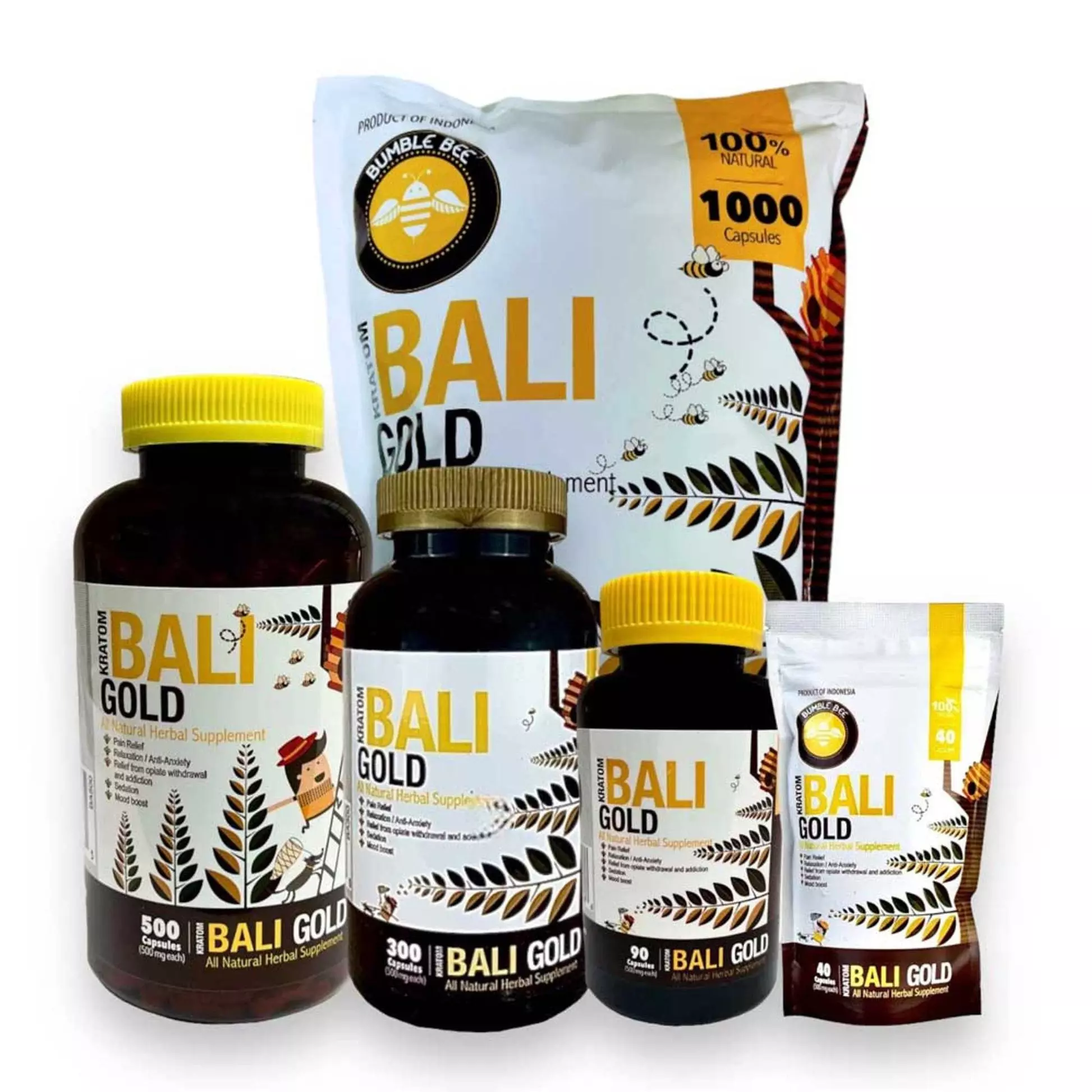
Bali Gold Kratom: Botanical Profile, Product Characteristics, and Gold Bali Kratom Effects
Kratom has become a widely discussed botanical product because of its traditional history, different regional names, and variety of available preparations.
Among these varieties, Bali Gold Kratom is commonly referenced by consumers and sellers as a distinct commercial strain or product designation.
Understanding its botanical background, processing, alkaloid profile, and product format can help readers make sense of the terminology used in the kratom market.
Bumble Bee Kratom provides information about kratom varieties and product characteristics for people researching different botanical options.
This guide explores the origins of Bali Gold, the meaning behind its “gold” classification, and what is commonly discussed regarding Gold Bali Kratom Effects, while keeping the distinction between traditional reports and scientifically established evidence clear.
What Is Bali Gold Kratom?
Bali Gold Kratom is a commercial name associated with kratom products made from Mitragyna speciosa, a tropical tree indigenous to parts of Southeast Asia. Despite the name, the term does not necessarily mean that the plant is cultivated exclusively on the island of Bali.
Kratom products are commonly identified according to regional names, leaf colors, harvesting practices, drying techniques, or marketing classifications. “Gold” varieties may refer to particular processing methods or a product's appearance and commercial classification.
The botanical plant belongs to the Rubiaceae family, which also includes coffee. Its leaves contain naturally occurring alkaloids, including mitragynine and 7-hydroxymitragynine, which are among the compounds most frequently discussed in kratom research.
Botanical Background of Kratom
Mitragyna speciosa naturally grows in tropical environments throughout Southeast Asia. The plant generally develops as a tree with broad green leaves, and its traditional use has been documented in countries such as Thailand, Malaysia, and Indonesia.
Environmental conditions can influence plant characteristics. Factors such as soil, rainfall, temperature, cultivation practices, maturity, harvesting methods, and post-harvest processing may contribute to differences between batches.
This is one reason commercial kratom names should not automatically be interpreted as standardized pharmaceutical classifications. Two products sold under similar names may have different chemical profiles depending on their source and processing.
Understanding the “Gold” Classification
The word “gold” in kratom terminology generally describes a commercial variety rather than a universally standardized botanical category.
Gold products may be associated with particular drying or blending processes that influence the final color and characteristics of the powdered material. However, the exact meaning of “Gold Bali” can differ between suppliers.
When researching a gold variety, consumers may want to examine more than the product name. Important details can include:
- Botanical source
- Product ingredients
- Harvest information
- Processing method
- Batch identification
- Manufacturing practices
- Independent laboratory testing
- Storage conditions
These factors can provide more meaningful information than a strain name alone.
Gold Bali Kratom Effects: What Is Commonly Discussed?
The phrase Gold Bali Kratom Effects is often used when people search for information about the characteristics traditionally associated with this commercial variety. However, reported experiences can vary considerably between individuals and products.
Kratom contains several naturally occurring alkaloids, with mitragynine being one of the primary compounds studied. Researchers continue to investigate how these compounds interact with biological systems.
Descriptions found in consumer discussions may include references to perceived changes in energy, relaxation, mood, focus, or general sensations.
Such reports should not be treated as guaranteed outcomes or medical effects. Individual experiences may differ depending on factors such as product composition, amount used, personal sensitivity, and other variables.
Scientific research into kratom is ongoing, and more evidence is needed to establish how specific commercial varieties relate to particular experiences.
Alkaloids Found in Kratom
The chemical composition of kratom is an important part of understanding its botanical properties. More than 40 alkaloids have been identified in Mitragyna speciosa, although mitragynine is one of the most abundant and extensively studied.
7-hydroxymitragynine is another alkaloid that receives significant scientific attention, although it is generally present in much smaller amounts in natural plant material.
The concentration of these compounds can vary between plants and batches. Therefore, a product's commercial name alone cannot reliably indicate its exact alkaloid composition.
For this reason, laboratory analysis can be useful when available. Testing may provide information about the identity and concentration of certain compounds and can also help identify unwanted contaminants.
Processing and Preparation of Gold Bali Products
Post-harvest processing can influence the final appearance and characteristics of kratom powder. After harvesting, leaves may undergo drying, grinding, and packaging processes before reaching consumers.
Drying conditions can vary considerably. Some products may be dried indoors, outdoors, or using controlled environments. The length and conditions of drying can influence moisture content, color, aroma, and chemical characteristics.
Once dried, leaves are typically processed into a fine powder or prepared for other product formats, including capsules.
Proper packaging and storage are also important because excessive moisture, heat, light, or air exposure can affect botanical products over time.
Powder vs. Capsule Formats
Kratom is available in several forms, with powder and capsules being two common options.
Powder provides a traditional preparation format and can be examined for its texture, color, and aroma. Capsules, meanwhile, contain measured amounts of powdered material inside a capsule shell, providing a more convenient format for handling and storage.
The choice between these formats is generally a matter of product preference and convenience. Regardless of format, consumers should review the ingredient list, serving information, batch details, and testing information where available.
What to Look for When Choosing a Kratom Product
When researching products from Bumble Bee Kratom or other suppliers, it can be useful to evaluate product information rather than relying solely on marketing terminology.
Consider checking:
Factor
Why It Matters
Botanical identity
Helps confirm the plant source
Ingredients
Shows what is included in the product
Batch information
Helps with product traceability
Laboratory testing
Can provide information about composition and contaminants
Packaging
Helps protect the product from environmental exposure
Storage guidance
Supports product quality during storage
Supplier information
Provides greater transparency about sourcing
Transparent labeling and accessible product information can make it easier to understand what a particular kratom product contains.
Responsible Research and Product Information
Anyone researching kratom should distinguish between traditional use, consumer reports, laboratory research, and clinically established evidence. These categories provide different levels of information and should not be treated as interchangeable.
Kratom can also interact with other substances, and its safety profile is still being studied. People considering kratom should research applicable regulations in their location and consult a qualified healthcare professional when they have questions about potential interactions or personal risks.
Product information should also be reviewed carefully, particularly when products are marketed using broad claims about effects or benefits.
Frequently Asked Questions:
Is Bali Gold Kratom a separate species?
No. Bali Gold is generally a commercial designation associated with Mitragyna speciosa, rather than a separate botanical species.
What does “Gold Bali” mean?
“Gold Bali” is commonly used as a commercial variety name. Its exact meaning can vary depending on the supplier, cultivation practices, and processing method.
Are Gold Bali Kratom Effects the same for everyone?
No. Reported experiences can vary significantly. Product composition, individual differences, and other factors may influence how someone experiences a kratom product.
Does the name guarantee a specific alkaloid profile?
No. A commercial name by itself does not establish a standardized alkaloid concentration. Laboratory testing provides more useful information about a specific batch.
Conclusion
Bali Gold Kratom is a commercially recognized variety associated with Mitragyna speciosa, a tropical botanical native to Southeast Asia. Its “gold” classification may relate to processing, appearance, or supplier-specific terminology rather than a standardized botanical category.
When researching Gold Bali Kratom Effects, it is important to distinguish reported experiences from established scientific evidence. Alkaloid composition, cultivation, harvesting, drying, processing, and batch variation can all influence product characteristics.
For consumers exploring kratom products, Bumble Bee Kratom and other suppliers can be evaluated by looking beyond strain names and considering transparency, botanical information, ingredients, batch details, laboratory testing, and applicable regulations.
A careful, evidence-based approach provides a clearer understanding of Bali Gold products and the terminology surrounding them.