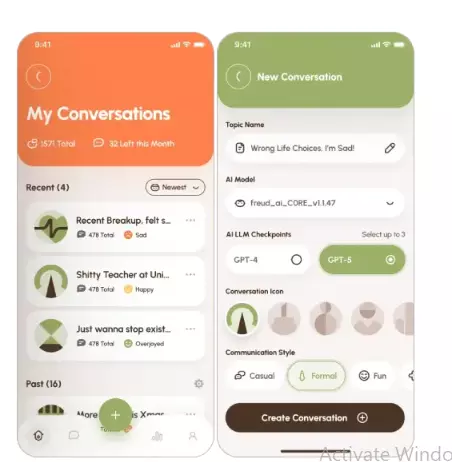
Building Conversational Therapy Platforms Through Intelligent AI Interaction
The increased need for the availability of mental wellness solutions has triggered a significant increase in the number of conversational therapy platforms based on artificial intelligence. Through these digital systems, there is a sense of comfort, guided dialogues, and the ability to offer emotional support to the users to cope with the stressful situations of daily life, loneliness, and personal challenges.
With the development of modern technologies, AI Therapy Chatbot Development has become one of the promising ways of doing business and allowing individuals to provide a personalized, safe, and relatable therapeutic experience. Through incorporating adaptive AI models, emotive understanding, and contextual communication patterns, developers are creating platforms that seem caring, considerate, and sensitive to user demands.
But there are new AI-based therapy solutions that are not just a straightforward messaging tool, because they mimic a supportive conversation, are able to read emotions, and can give an appropriate response based on the state of mind of a user.
The change is introducing new avenues to mental wellness platforms, digital health startups, and ventures that aim to diversify their service platforms with intelligent and user-oriented systems. Collaboration with a successful chatbot development firm will help to make sure that these platforms are created using the appropriate balance of artificial intelligence, design, and conversational architecture.
Reimagining Digital Therapy Through Intelligent Communication
The use of AI-based therapy tools is transforming the way people find consolation and psychological support. The fourth generation users are fond of human-like, supportive, and non-judgmental conversation-oriented interactions.
Therapy bots can learn the expressions of the user, change the tone of support, and be always emotionally aligned by integrating custom dialogue models. This will make the platform more interactive, and users will be able to develop a routine of their mental wellness without resistance.
The developers will be keen on the creation of these systems to promote open communication whereby people exchange their ideas in a free manner. The conversational structure can be used to facilitate a calming environment whether by guiding the users through breathing exercises, journaling, or self-reflection. By the appropriate frameworks, companies have an opportunity to provide valuable digital therapy experience that may be available at any time.
Artificial Intelligence (AI) Technologies that allow modern therapy bots.
Conversation models of Emotional Intelligence.
The next generation AI systems use natural language processing and emotional learning to read emotions of the user and react accordingly. This lets therapy chatbots sustain a calming, supportive and encouraging conversation during user sessions. Existence of accuracy in sound, compassion in expression, and constancy in responses ensure that the communication is genuine.
Read: Top 20 Advanced AI Tools Revolutionizing Digital Marketing
Individual Interaction On Behavioral Data.
Response customisation will be common on platforms where therapy is provided based on user history and interaction patterns. The developers create adaptable learning modules that examine past chats, time preferences, emotional displays, and conversation speed. This assists the chatbot in narrowing down its guidance style as time goes by where it provides guidance that is comfortable to the user.
Third Party API Integration to add better features.
These platforms can incorporate voice capabilities, mindfulness apps, or journaling capabilities with Third Party API Integration. External APIs load the system with more responsiveness and increases the general user experience. This functionality enabled the therapy chatbot to keep upgrading with the current wellness tools.
Designing Scalable Conversational Therapy Ecosystems.
Whole Person Digital Wellness Design.
To build a therapy-focused chatbot, it is necessary to go beyond simple conversation patterns. The designers should make sure that the interface will be soothing, the communication style will be safe, and the instructions will correspond to the general wellness practices. It is all, color schemes, message timing, etc., that contributes to the creation of a relaxing digital experience.
Integration In the Mobile App Life Cycle.
The modern therapy platforms should work best at all the stages of the mobile app life cycle. The developers are concerned with architectural stability, smooth deployment, effective AI process, and smooth interactions. This system needs to be accommodative to long sessions, adapt to different user conditions and should also be responsive. In the process, the teams can integrate app development solutions to enhance usability and optimize behaviour of the platform.
Modular Systems of Various Therapeutic Patterns.
Digital therapy systems are frequently created to meet various wellness strategies, encompassing cognitive advice, emotional support, grounding communications, and conversational journaling. Modular systems are developed by developers to allow businesses to increase their services or introduce new conversations in the long run.
Therapy Platform Strategic Development Practices.
Premature Launch with MVP App Development.
Organizations venture into digital therapy and usually start by releasing MVP. When developing MVP apps, they will be able to experiment with the conversational structure of the platform and its quality of feedback and emotional alignment. Such early release will give a great idea of the expectations of users, the patterns of interactions, and overall performance of the AI model. The developers develop the platform and then launch a full-scale version as they receive feedback.
Ongoing Improvement by Repairing and Adding New Features.
When the chatbot is deployed, it becomes very important in the long term to keep the engagement going. Regular mobile app upkeep would guarantee software updates, enhanced AI execution, enhanced quality of conversations, and the addition of new features in the years. This will allow sustainability and assist the platform to expand according to the needs of the users.
Ethical Design and Sane Emotional Interaction.
Because therapy chatbots work with sensitive user feelings, an ethical designing is a crucial factor. Developers care about the safety of the users, construct the clear boundaries of the AI and implement responsible conversational patterns. These instructions take care of constructive communication without risking to provide possibly harmful advice.
Conclusion
The intelligent AI communication created to build conversational therapy platforms is a radical change in online mental health. Adaptive conversational model, personalized dialogue flow, and strategic development structures used together enable businesses to develop meaningful and accessible therapy experiences. By using AI Therapy Chatbot Development with the help of an experienced chatbot development company, it will be possible to develop platforms that appear understanding, emotionally sensitive, and user-friendly.
These platforms can foster conducive digital experiences with selections of modern mental health requirements, with the assistance of sophisticated AI tools, the Third Party API Integration, and extended refinement measures, such as mobile application maintenance. With the constantly developing technology, conversational therapy systems will become an important contribution to the future of emotional support and digital well-being.