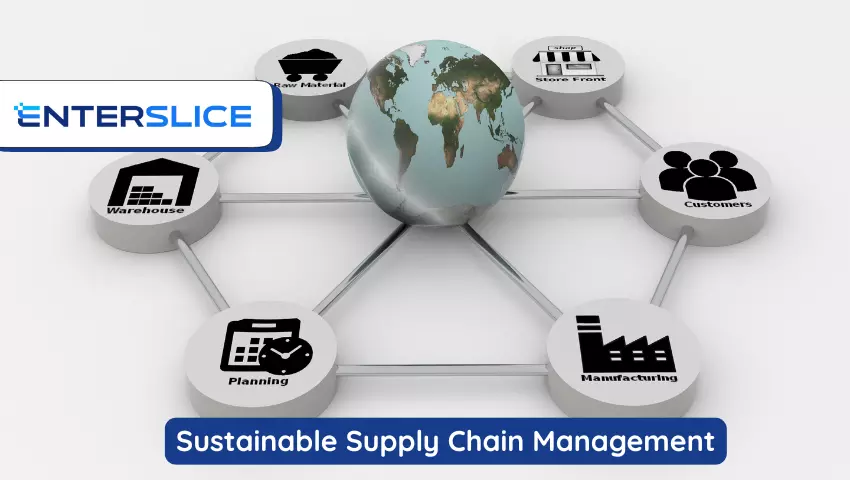
Building a Sustainable Supply Chain for the Future
Modern businesses face growing pressure from customers, investors, and regulators to operate responsibly. Sustainability is no longer a buzzword but a business necessity. One of the most impactful areas where companies can create real change is their supply chain. From raw material sourcing to final product delivery, every stage has environmental, social, and economic implications.
Sustainable supply chain management is about aligning efficiency with responsibility. It ensures that businesses not only meet their financial goals but also minimize environmental impact and support fair labor practices. In today’s competitive environment, companies adopting sustainable practices are not just protecting the planet—they are strengthening their market position.
What is Sustainable Supply Chain Management?
Sustainable supply chain management integrates environmental and ethical practices into every stage of the supply chain. It focuses on reducing waste, cutting emissions, ensuring fair labor conditions, and sourcing responsibly.
Unlike traditional supply chain models that prioritize cost and speed, a sustainable approach balances profitability with long-term impact.
This includes:
- Using renewable or recyclable materials
- Partnering with suppliers who follow ethical labor practices
- Reducing energy consumption in manufacturing and logistics
- Implementing transparent reporting systems for accountability
Why Businesses Should Care
1. Risk Reduction
Unsustainable practices often lead to risks such as supply shortages, regulatory fines, and reputational damage. By integrating sustainability, companies secure long-term access to resources and reduce exposure to legal or compliance issues.
2. Cost Savings
Contrary to the belief that sustainability is expensive, many practices reduce costs. Energy-efficient logistics, optimized packaging, and waste reduction strategies lower operational expenses over time.
3. Customer Trust
Consumers today prefer brands that take responsibility for their impact. A sustainable supply chain enhances brand reputation, builds trust, and often leads to stronger customer loyalty.
4. Investor Confidence
Investors are increasingly factoring in Environmental, Social, and Governance (ESG) criteria when making decisions. Companies with sustainable supply chains are more attractive to those seeking long-term, responsible investments.
Key Strategies for Implementing a Sustainable Supply Chain
Partner with Responsible Suppliers
Building sustainability starts with choosing suppliers who align with your values. This includes checking their compliance with labor laws, environmental practices, and commitment to ethical sourcing.
Optimize Logistics and Transportation
Logistics is one of the biggest contributors to emissions in a supply chain. Using fuel-efficient vehicles, adopting smart route planning, and exploring green alternatives such as electric transport can significantly reduce carbon footprints.
Embrace Technology
Digital tools like blockchain, IoT, and data analytics improve transparency. They allow businesses to track materials from source to shelf, ensuring accountability and quick response to disruptions.
Circular Economy Practices
Designing products for reuse, recycling, and repair extends their lifecycle and reduces waste. This approach not only minimizes environmental harm but also creates opportunities for cost savings and innovation.
Challenges in Adoption
Transitioning to a sustainable supply chain is not without challenges. High initial costs, limited availability of eco-friendly suppliers, and resistance to change can slow adoption. However, with government support, evolving technologies, and increasing customer demand, these hurdles are steadily being overcome.
Businesses that act early gain a competitive edge, while those delaying risk being left behind in an increasingly conscious marketplace.
Conclusion
Sustainable supply chain management is no longer optional—it is a strategic necessity. Companies that adopt sustainable practices are not just meeting compliance requirements; they are building resilient, future-ready businesses. By reducing risks, lowering costs, and strengthening brand trust, a sustainable supply chain benefits everyone—businesses, consumers, and the planet.
The future of business belongs to organizations that can combine profitability with responsibility. Building a sustainable supply chain today is the first step toward that future.
FAQs
1. What is sustainable supply chain management?
It is the integration of eco-friendly and ethical practices into supply chain operations to balance profitability with environmental and social responsibility.
2. How does sustainability reduce costs in supply chains?
By reducing waste, using energy-efficient logistics, and optimizing resources, businesses can significantly cut operational costs.
3. What role does technology play in sustainable supply chains?
Technology enables transparency, monitoring, and data-driven decision-making, ensuring businesses can track and improve sustainability across their networks.
4. Why is it important for businesses to adopt sustainable practices now?
Early adoption reduces risks, builds customer trust, and ensures companies remain competitive in a market where sustainability is increasingly valued.