Building a Faster, More Reliable Network From the Ground Up
Reliable connectivity has become essential for modern businesses. From cloud applications and security systems to communication platforms and data-heavy operations, organizations depend on networks that can handle increasing demands.
As technology continues to advance, many businesses are upgrading their infrastructure with fiber-based solutions.
Professional fiber optic cable installation provides the foundation for faster communication, improved reliability, and future-ready network performance. A properly designed fiber network helps organizations support current technology while preparing for future growth.
Why Network Infrastructure Matters
A business network is more than just a connection between computers. It supports daily operations, security systems, communication tools, and critical applications. When network infrastructure cannot keep up with demand, organizations may experience:
- Slow data transfer
- Connection interruptions
- Limited scalability
- Reduced productivity
Building the right foundation helps prevent these challenges. Fiber optic technology has become a preferred option for organizations that need high-performance connectivity.
What Is Fiber Optic Cabling?
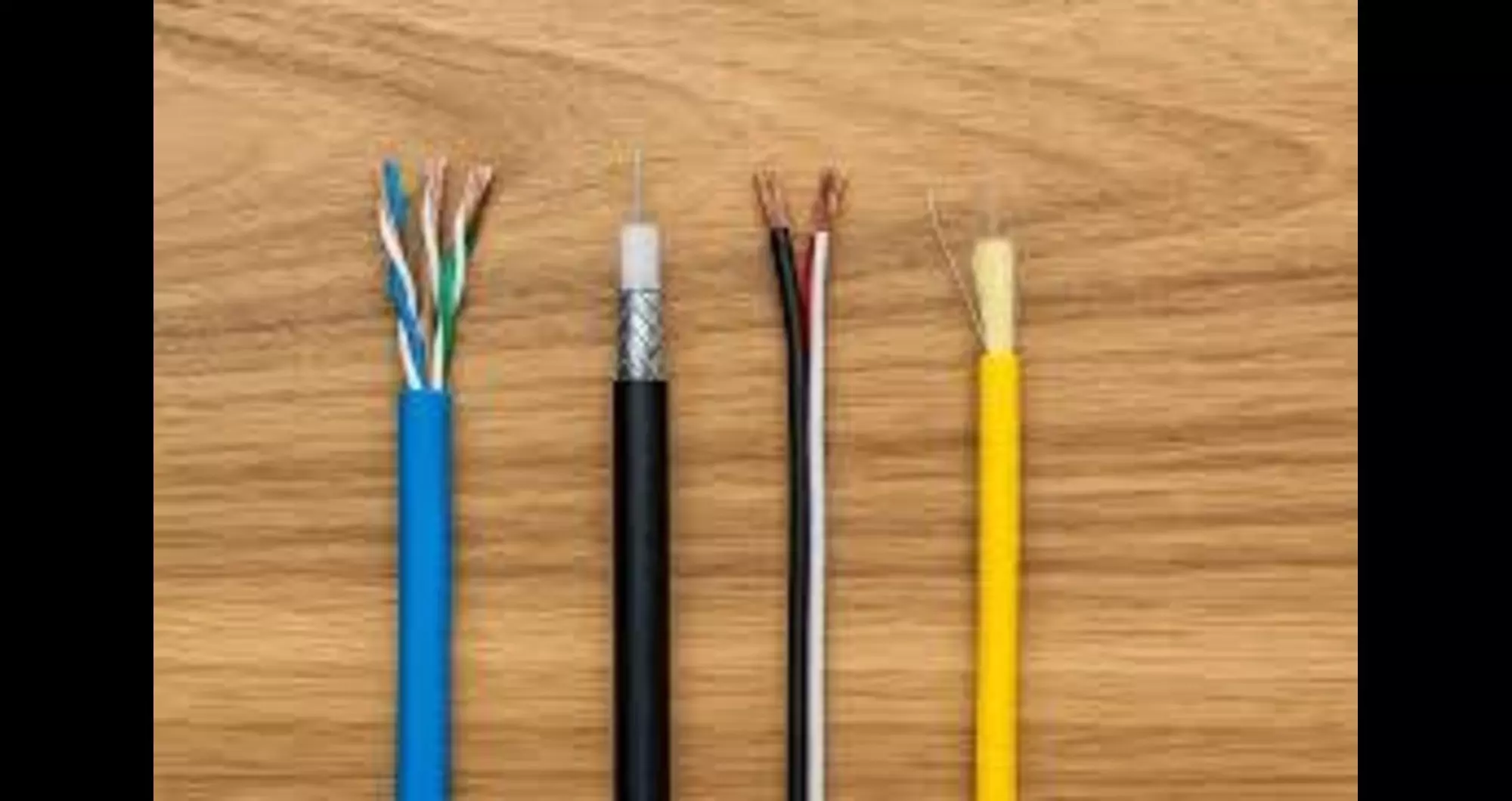
Fiber optic cable uses thin strands of glass or plastic to transmit information through light signals. Unlike traditional copper cabling, fiber technology can support higher speeds and longer transmission distances while reducing interference. There are two common types of fiber optic cable:
Single-Mode Fiber
Single-mode fiber is designed for long-distance communication and is often used between buildings, campuses, and large network environments.
Multimode Fiber
Multimode fiber is commonly used for shorter distances within facilities such as offices, data centers, and commercial buildings. The right choice depends on network requirements, distance, and future needs.
Benefits of Fiber Optic Networks
Higher Bandwidth
Modern businesses rely on increasing amounts of data. Video systems, cloud platforms, and connected devices require networks that can handle large volumes of information. Fiber provides the capacity needed for demanding applications.
Faster Data Transmission
Fiber optic networks support high-speed communication with low signal loss. This makes them suitable for environments where performance and reliability are important.
Reduced Interference
Electrical interference can impact traditional network connections. Fiber cables use light instead of electrical signals, making them less affected by electromagnetic interference.
Long-Term Scalability
Technology requirements continue to grow. A well-designed fiber infrastructure allows businesses to expand network capabilities without rebuilding their entire system.
Read: How Fiber Optic Cable Installation Enhances Communication
Where Fiber Networks Are Used
Fiber optic infrastructure supports many industries.
Data Centers
Data centers require extremely reliable and high-speed connections. Fiber helps support large amounts of data movement between systems.
Corporate Offices
Businesses use fiber networks to support employees, communication platforms, cloud applications, and security technology.
Healthcare Facilities
Healthcare organizations depend on reliable connectivity for digital records, imaging systems, and connected medical technologies.
Manufacturing Facilities
Industrial environments use network infrastructure to support automation, monitoring, and operational systems.
Important Considerations During Fiber Installation
Installing fiber requires careful planning and technical expertise.
Network Design
Before installation begins, businesses should understand their current needs and future goals.
A proper design considers:
- Required bandwidth
- Building layout
- Equipment locations
- Future expansion plans
Cable Pathways
Fiber installation requires proper planning for cable routes and protection. Poor pathway planning can create maintenance challenges later.
Testing and Certification
After installation, fiber networks should be tested to confirm performance. Testing helps identify issues such as:
- Signal loss
- Connection problems
- Installation errors
Certified testing provides confidence that the network will perform as expected.
Common Fiber Installation Mistakes
Businesses sometimes experience problems when fiber projects are not properly planned. Common mistakes include:
- Selecting the wrong fiber type
- Ignoring future capacity needs
- Skipping testing procedures
- Using improper installation methods
Avoiding these mistakes helps create a more reliable network environment.
Preparing for Future Technology
Technology continues to change how businesses operate. Artificial intelligence, cloud computing, automation, and connected security systems are increasing demand for stronger networks.
Fiber infrastructure helps organizations prepare for these changes. A network designed today should support tomorrow's requirements as well.
Building the Right Foundation
A reliable network starts with the infrastructure beneath it.Fiber optic cabling provides businesses with speed, stability, and flexibility needed for modern operations. However, successful results depend on proper planning, installation, and testing.
Organizations investing in professional fiber solutions are not only improving current performance. They are creating a foundation that can support future technology growth. A faster network is valuable, but a reliable and scalable network is what helps businesses continue moving forward.
Conclusion
A strong network begins with reliable infrastructure. As businesses continue to depend on cloud applications, connected devices, security systems, and data-driven operations, the demand for faster and more dependable connectivity will continue to grow.
Professional fiber optic cable installation provides the speed, stability, and scalability organizations need to support both current technology and future expansion.
Investing in the right network foundation helps businesses avoid performance limitations and prepares them for the next generation of digital requirements. A reliable fiber infrastructure is not just an upgrade; it is a long-term investment in operational efficiency and business growth.