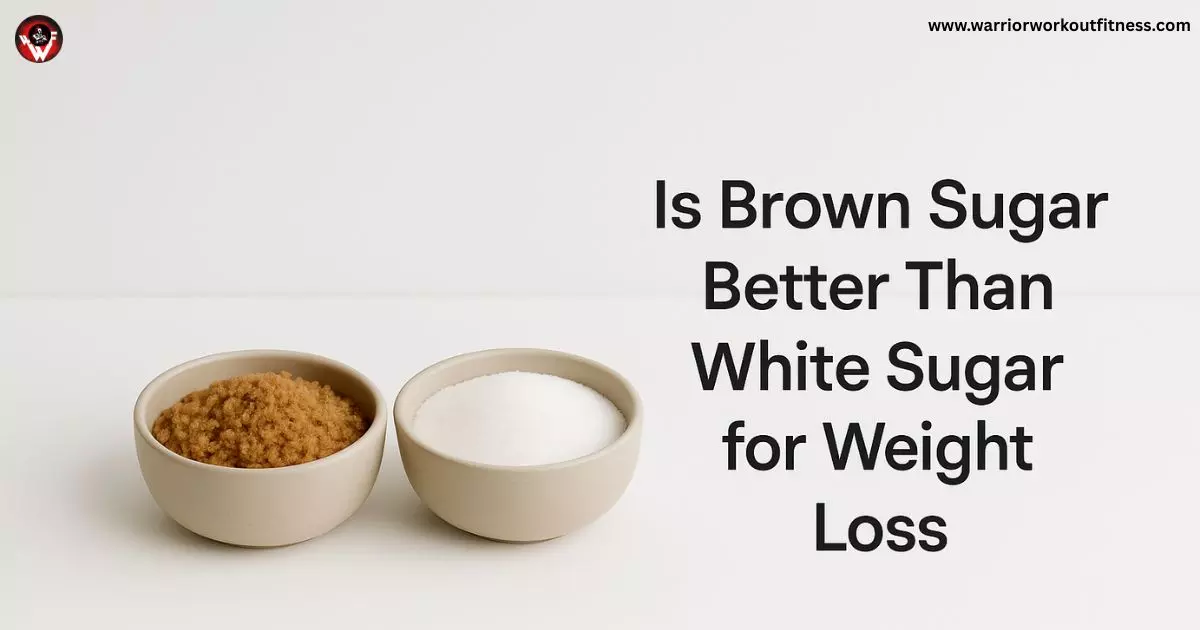
Brown Sugar vs White Sugar: Myths, Facts, and Health Insights
When it comes to sweetening our foods, the debate of brown sugar vs white sugar is one of the most common. Many health-conscious individuals wonder if one is truly healthier than the other, especially when it comes to dieting and managing weight.
At warriorworkoutfitness, we always aim to cut through the confusion and provide clear, evidence-based insights so you can make the best choices for your body and fitness goals. A key question we’ll address here is: Is Brown Sugar Better Than White Sugar for Weight Loss? Let’s break it down in detail.
Understanding White Sugar
White sugar, often referred to as table sugar, is the most common type found in homes, restaurants, and packaged foods. It comes primarily from sugarcane or sugar beets. The refining process removes molasses and impurities, leaving behind pure sucrose crystals.
Characteristics of white sugar:
· Bright white, fine crystals.
· Neutral taste that blends seamlessly with drinks and foods.
· Nearly 100% sucrose, offering no vitamins or minerals.
From a nutrition standpoint, white sugar is considered “empty calories” because it provides energy without contributing essential nutrients.
What Makes Brown Sugar Different?
Brown sugar is essentially white sugar with molasses added back in. Depending on the amount of molasses, it can be classified as light brown or dark brown.
Characteristics of brown sugar:
· Moist, soft texture that clumps easily.
· Distinct caramel-like flavor that enhances baked goods.
· Slightly higher in trace minerals such as potassium, calcium, and magnesium.
Although these minerals exist in brown sugar, they are present in very small amounts—not nearly enough to influence your daily nutrition significantly.
Nutritional Comparison: Brown Sugar vs White Sugar
Let’s compare brown sugar vs white sugar side by side:
· Calories: White sugar has about 16 calories per teaspoon; brown sugar has about 15 calories per teaspoon. The difference is negligible.
· Nutrients: Brown sugar contains trace minerals due to molasses, but in amounts too small to make a real difference.
· Flavor: White sugar is neutral, while brown sugar adds depth and moisture to recipes.
· Processing: Both undergo refining, though brown sugar retains (or regains) molasses content.
So, while the taste and appearance vary, the health impact of each is nearly the same.
Is Brown Sugar Better Than White Sugar for Weight Loss?
This is the burning question for many fitness enthusiasts. Is Brown Sugar Better Than White Sugar for Weight Loss? The honest answer is no.
Both brown and white sugar contain almost the same amount of calories and are metabolized by the body in similar ways. Switching to brown sugar will not provide any noticeable advantage in shedding pounds. Weight loss depends more on reducing overall sugar consumption and managing calorie intake than on the specific type of sugar consumed.
If your aim is fat loss, replacing white sugar with brown sugar won’t move the needle. What matters most is moderation and creating a balanced diet with controlled portions.
Common Myths About Brown Sugar vs White Sugar
1. Myth: Brown sugar is significantly healthier.
Fact: Both are nutritionally similar. The small mineral content in brown sugar is not enough to count as a health benefit.
2. Myth: Brown sugar helps with weight loss.
Fact: Both sugars are almost identical in calories, so neither aids weight loss.
3. Myth: White sugar is more harmful.
Fact: Excessive consumption of either type can contribute to obesity, diabetes, and dental issues.
Choosing Between Brown Sugar and White Sugar
If both are nutritionally similar, which should you choose? It often comes down to taste and cooking needs:
· Choose white sugar if you want a clean, neutral sweetness—perfect for coffee, tea, and most beverages.
· Choose brown sugar if you enjoy a richer, more complex flavor—ideal for baking cookies, cakes, and sauces.
Neither option will harm your health when used sparingly. Problems only arise when sugar is overconsumed.
Smarter Ways to Manage Sugar Intake
Instead of focusing only on brown sugar vs white sugar, it’s better to develop healthier habits around sugar in general. Here are some practical tips:
1. Limit added sugars: Follow guidelines that suggest keeping added sugar intake below 10% of daily calories.
2. Read food labels: Watch for hidden sugars under names like corn syrup, dextrose, or maltose.
3. Try natural alternatives: Use stevia, monk fruit, or small amounts of honey for sweetness.
4. Cut sugary drinks: Replace soda and sweetened beverages with water, sparkling water, or unsweetened tea.
5. Satisfy cravings with fruit: Whole fruits provide natural sweetness plus fiber, vitamins, and minerals.
Healthier Long-Term Mindset
The focus should not be on whether brown sugar or white sugar is “good” or “bad.” Instead, the key is moderation. Both are forms of added sugar, and too much can lead to health challenges such as weight gain, insulin resistance, and metabolic issues.
For fitness enthusiasts, athletes, or anyone on a wellness journey, reducing overall sugar consumption is far more impactful than switching between the two. That’s why at warriorworkoutfitness, we encourage building habits that support sustainable health rather than quick fixes or myths.
Final Takeaway
The debate of brown sugar vs white sugar often gets exaggerated, with many believing brown sugar to be the healthier choice. While it does contain trace minerals, the difference is too small to make a real impact. And to answer the big question: Is Brown Sugar Better Than White Sugar for Weight Loss—the answer is no. Both sugars contribute nearly identical calories and are processed in the same way by the body.
If your goal is weight management or improved fitness, the most effective strategy is to limit all added sugars, regardless of type. Moderation, balanced nutrition, and mindful eating will always outweigh small differences between sugar varieties.
At the end of the day, choose the sugar that best suits your taste and recipe needs—but remember, less is always more.