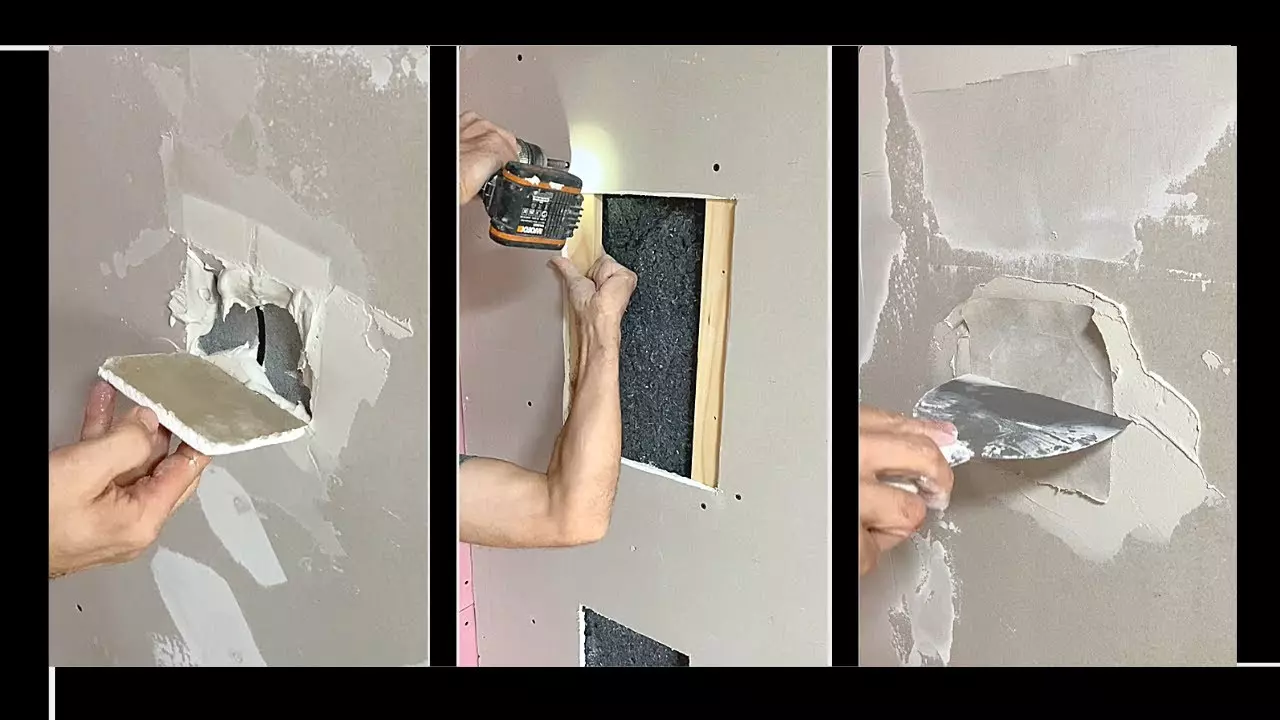
Brick Wall Plastering: How It Protects Your Home, Strengthens Walls, and Increases Durability
Brick wall plastering is one of the most essential steps in modern construction that enhances both the durability and appearance of a building.
Whether it is interior plastering or exterior plastering, the process plays a vital role in protecting brick surfaces from damage, moisture, cracks, and environmental stress.
Using high-quality cement plaster, sand plaster, or gypsum plaster not only improves the strength of walls but also increases the overall lifespan of your home.
In this article, we will explore how brick wall plastering protects your home and why it is a crucial investment for every property owner.
1. What is Brick Wall Plastering?
Brick wall plastering is the process of covering brick masonry surfaces with a protective layer of cement, sand, lime, or gypsum-based plaster.
This coating creates a smooth, durable surface that enhances both strength and appearance.
The main purpose of brick wall plastering is to protect the underlying bricks from direct exposure to weather conditions, moisture, and physical damage. It also helps in leveling uneven surfaces, making walls suitable for painting or decorative finishes.
In modern construction, plastering is considered an essential step in both residential and commercial buildings because it improves structural integrity and ensures long-term stability of walls.
2. Importance of Plastering for Home Protection
The importance of brick wall plastering for home protection cannot be overstated, as it acts as the first line of defense against external and internal damage.
Without proper plastering, brick walls are vulnerable to erosion, water seepage, and environmental wear.
Plastering creates a strong barrier that shields the structure from rain, wind, heat, and pollutants. It also helps maintain indoor comfort by stabilizing wall surfaces.
High-quality wall plastering ensures that your home remains safe, durable, and visually appealing for many years. Additionally, it reduces maintenance costs by preventing early deterioration of brickwork.
3. Moisture Resistance and Waterproofing Benefits
One of the most important benefits of brick wall plastering is its ability to provide moisture resistance and partial waterproofing. Unplastered brick walls easily absorb water, which can lead to dampness, mold growth, and structural weakening over time.
Cement plaster or waterproof plaster mixtures create a protective coating that minimizes water penetration. This is especially important in areas with heavy rainfall or high humidity.
Proper plastering helps prevent issues like wall seepage, paint damage, and fungal growth. By controlling moisture levels, brick wall plastering significantly increases the durability and hygiene of your living space.
4. Strengthening Structural Durability
Brick wall plastering plays a crucial role in enhancing the structural durability of a building. When plaster is applied evenly over brickwork, it binds the surface and reduces the risk of loose joints or weakened mortar.
This added layer improves the wall’s resistance to external pressure and physical impact. Over time, buildings without plaster may develop cracks or instability due to weather exposure and aging materials.
However, plastered walls maintain their integrity for a longer period. Using high-quality cement plaster ensures that your home remains strong, stable, and capable of withstanding environmental stress and daily wear.
5. Thermal Insulation and Energy Efficiency
Another major advantage of brick wall plastering is improved thermal insulation, which contributes to better energy efficiency in homes.
Plastered walls help regulate indoor temperatures by reducing heat transfer between the exterior and interior environments. In hot climates, plaster helps keep interiors cooler, while in colder conditions, it helps retain warmth.
This reduces the need for excessive heating or cooling systems, ultimately lowering energy bills. Advanced plastering techniques and materials can further enhance insulation properties.
As a result, brick wall plastering not only protects your home but also makes it more energy-efficient and environmentally friendly.
6. Crack Prevention and Wall Longevity
Crack prevention is one of the key reasons why brick wall plastering is widely used in construction.
Over time, brick walls naturally expand and contract due to temperature changes, moisture, and structural movement. Without plaster, these movements can lead to visible cracks and surface damage.
Plaster acts as a flexible protective layer that absorbs minor structural shifts and prevents crack formation. High-quality cement plaster or reinforced plastering techniques can significantly extend the lifespan of walls.
By reducing the risk of cracks, brick wall plastering ensures long-lasting durability and maintains the structural beauty of your home.
7. Aesthetic Enhancement and Finishing
Brick wall plastering is not only functional but also highly important for aesthetic enhancement. Raw brick surfaces often appear uneven and rough, making them unsuitable for modern interior or exterior design.
Plastering creates a smooth, clean, and uniform surface that can be painted, textured, or decorated according to design preferences.
This allows homeowners to achieve a polished and attractive finish for their property. Whether it is a simple white finish or decorative wall textures, plastering provides the perfect base.
Therefore, brick wall plastering significantly improves the visual appeal and overall value of a home.
8. Protection from Weather and Environmental Damage
Weather conditions such as rain, wind, sunlight, and pollution can severely damage unprotected brick walls. Brick wall plastering provides a strong protective layer that shields the structure from these environmental factors.
It prevents erosion caused by wind-driven dust and reduces the impact of UV rays that can weaken materials over time. In rainy seasons, plaster helps block water infiltration, while in hot climates, it reduces heat absorption.
This protective barrier ensures that the building remains structurally sound and visually intact for years. Without plastering, brick walls would deteriorate much faster under harsh environmental conditions.
Read: Explore Top Boston 1 Bedroom Apartments in Prime
9. Maintenance and Cost-Effectiveness
Brick wall plastering is a cost-effective solution that reduces long-term maintenance expenses for homeowners.
While the initial plastering process may require investment, it significantly lowers repair costs in the future by preventing major structural issues. Plastered walls are easier to clean, repaint, and maintain compared to exposed brick surfaces.
They also resist damage from moisture, cracks, and weather conditions, reducing the need for frequent repairs. This makes plastering a smart financial decision for property owners.
Over time, the durability and protection provided by plastering help save both money and effort in building maintenance.
10. Choosing Right Plaster Materials and Techniques
Selecting the right plaster materials and techniques is essential for achieving maximum protection and durability. Common options include cement plaster, lime plaster, and gypsum plaster, each offering unique benefits depending on the application.
Cement plaster is widely used for exterior walls due to its strength and weather resistance, while gypsum plaster is preferred for interior finishing because of its smooth texture.
Proper mixing ratios, surface preparation, and skilled application are crucial for effective results. Using modern plastering techniques ensures better adhesion, crack resistance, and long-lasting performance.
Choosing the right materials greatly enhances the protective qualities of brick wall plastering.
Conclusion
Brick wall plastering is a fundamental part of construction that provides multiple benefits, including moisture resistance, structural strength, thermal insulation, and aesthetic improvement.
It acts as a protective shield for brick surfaces, preventing damage from weather, cracks, and environmental factors.
Additionally, it enhances energy efficiency and reduces long-term maintenance costs. Whether for interior or exterior walls, investing in high-quality plastering ensures a safer, stronger, and more beautiful home.
Understanding the importance of brick wall plastering helps homeowners make informed decisions that improve both durability and comfort of their living spaces.