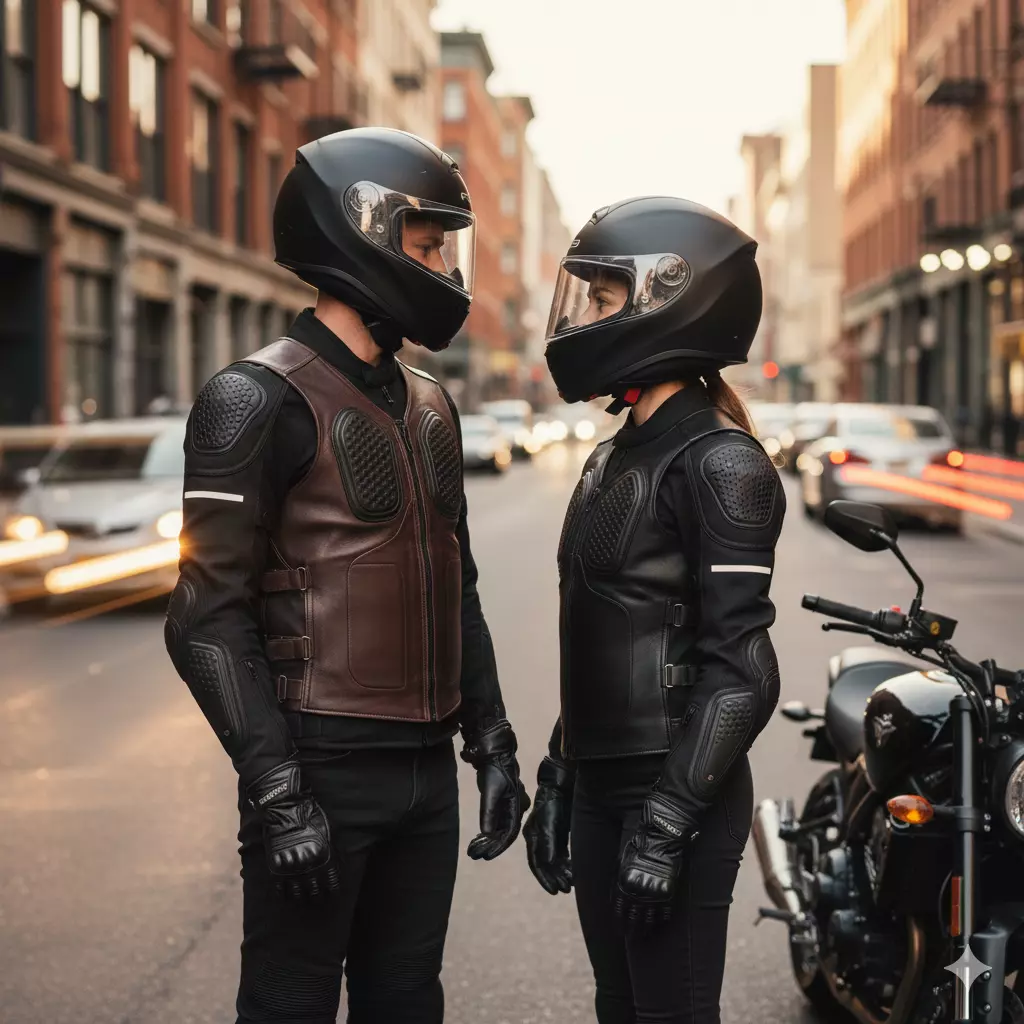
Why Breathable Materials Matter in Motorcycle Safety Gear?
Motorcycle safety gear serves a dual purpose: it protects riders from the immediate physical consequences of crashes and manages environmental stresses like heat, moisture, wind, and weather.
Within the design and performance of protective clothing, breathability—the ability of a material to allow moisture vapor to escape while maintaining essential protective properties—is a critical yet often underappreciated factor.
Breathable materials significantly enhance rider safety and comfort, influencing physiological performance, risk management, and overall protective function.
The Importance of Breathable Materials for Rider Safety
Breathable materials in motorcycle safety gear refer to fabrics and constructions that permit air circulation and moisture vapor transmission without substantially compromising resistance to wind, water, or abrasion.
This balance of airflow and protective performance is essential to maintaining a safe microclimate next to the rider’s skin during diverse riding conditions. Breathability impacts rider focus, body temperature regulation, and the functional durability of protective equipment, making it an indispensable consideration in gear design.
The Role of Breathability in Protective Apparel
Defining Breathability
Breathability in textiles and protective gear is quantified through parameters such as Moisture Vapor Transmission Rate (MVTR) and Resistance to Evaporative Heat Transfer (RET). A higher MVTR and lower RET indicate better breathability, allowing sweat and body heat to evacuate the garment efficiently while external elements like rain and wind are mitigated.
Modern breathable systems often combine multilayered membranes with engineered fabrics to achieve this balance.
Core Safety and Comfort Functions
- Moisture Management: Breathable materials wick and channel sweat vapor outwards, reducing dampness and skin irritation that can lead to distraction and fatigue.
- Temperature Regulation: By facilitating airflow, breathable gear aids thermoregulation, helping riders remain comfortable and alert from city commutes to long touring distances.
- Ventilation Integration: Features such as engineered mesh panels and strategically placed vents amplify inherent fabric breathability, supporting breath exchange even at highway speeds.
Breathability in Context: Materials and Construction
Traditional vs. Engineered Fabrics
Leather has long been a staple in motorcycle protection due to its superior abrasion resistance and durability. However, untreated leather has limited natural breathability, especially in hot environments, often leading to thermal discomfort.
Perforated leather and incorporated ventilation systems can mitigate this limitation but cannot fully match the airflow performance of purpose-engineered textiles.
In contrast, technical textiles such as mesh fabric, nylon blends (e.g., Cordura®), and breathable waterproof membranes (e.g., Gore‑Tex®) deliver high MVTR values while maintaining protective performance. These materials are engineered to allow internal moisture to escape without significant compromise to abrasion resistance or weatherproofing.
Armor Integration and Breathability
Motorcycle armor—protective inserts positioned at impact zones like shoulders, elbows, back, and hips—is essential for impact energy absorption. While some armor pads are inherently rigid, ventilated and mesh‑integrated armor systems are increasingly common.
These systems promote airflow around critical protection areas, contributing to temperature regulation without reducing impact performance.
Practical Relevance: Rider Performance and Safety
Physiological Impacts
Riders experience significant physiological changes when encumbered by poorly ventilated gear. Breathless materials trap sweat and heat, leading to elevated core body temperature, increased sweat rates, and accelerated fatigue.
This thermal strain can impair concentration, decision‑making, and motor skills—conditions directly antithetical to safe riding.
Comfort as a Safety Factor
Comfort influences sustained attention and risk avoidance. Gear that maintains dry, cool conditions reduces the risk of cognitive distraction and discomfort‑related mistakes. Riders on long tours or in varying climates particularly benefit from fabrics that adapt moisture and temperature flows dynamically.
Gear Examples with Breathability Considerations
Breathable Outerwear
- Breathable jackets and pants typically incorporate mesh panels and ventilation zippers to maximize airflow. These designs are especially valuable in warm climates.
Specialty Vests
For core protection with enhanced airflow, riders may select breathable protective vests that complement primary outer layers:
- A mens armor leather vest can merge classic abrasion resistance with perforation or mesh integration for improved breathability. This blend supports thermal comfort without compromising protective function.
- Similarly, a women armor leather vest provides tailored protection that respects anatomical fit while incorporating design elements that support ventilation and moisture management.
Expert Insights & Best Practices
Material Selection and Layering
Professionals in apparel engineering recommend a layered approach where breathable outer shells are paired with moisture‑wicking base layers and removable thermal liners. This modular strategy enables riders to adapt to shifting temperatures while optimizing breathability and protection.
Ventilation Management
Strategic airflow control—such as opening vents at highway speeds or closing them during cooler conditions—allows riders to fine‑tune the balance between protection and breathability. Skilled fitment of armor and strategically engineered vents ensures that protective elements remain effective even when airflow is maximized.
Common Misconceptions
More Breathability Equals Less Safety
While it is often assumed that increased airflow reduces protective performance, modern gear designs integrate breathable membranes, abrasion‑resistant textiles, and certified armor to maintain safety standards while improving ventilation. The key is informed selection based on intended use and riding conditions.
Leather Cannot Be Breathable
Though traditional leather lacks intrinsic breathability, engineered perforations, strategic paneling, and hybrid leather‑mesh constructions significantly improve airflow without eliminating leather’s protective benefits.
Read: Why Off-Road Bikes Are Gaining Popularity in India: An In-Depth
Conclusion
Breathable materials play a pivotal role in motorcycle safety gear by balancing protective requirements with physiological comfort. Enhanced airflow and moisture management reduce distractions, fatigue, and thermal strain, directly contributing to rider performance and risk mitigation.
In both specialized items like breathable leather vests and broader protective ensembles, the thoughtful integration of breathable materials reflects advanced engineering that supports safer and more comfortable riding across diverse conditions.
FAQs
1. What does breathability mean in motorcycle safety gear?
Breathability refers to a material’s capacity to allow moisture vapor to escape while providing a barrier against external elements. High breathability reduces internal heat and moisture buildup, improving comfort and focus.
2. How is breathability measured?
Breathability is often quantified by MVTR and RET metrics. Higher MVTR and lower RET values indicate superior moisture vapor transmission and better evaporative heat transfer.
3. Why is breathability important for long rides?
Effective airflow management prevents excessive sweat buildup and overheating, directly reducing fatigue and maintaining rider concentration on long journeys.
4. Can leather be breathable?
Yes. Leather with perforations or incorporated ventilation systems can provide meaningful airflow while retaining abrasion resistance.
5. Are breathable materials safe in wet conditions?
Waterproof‑breathable membranes (e.g., Gore‑Tex®) allow moisture vapor to escape while keeping external water out, combining breathability with weather protection.
6. Do breathable materials affect armor performance?
Modern breathable gear integrates ventilated armor systems to support airflow while meeting protective standards.
7. Should riders choose mesh or solid fabrics?
Mesh excels in high temperatures for ventilation, while solid fabrics offer more consistent protection; hybrid designs balance both needs.