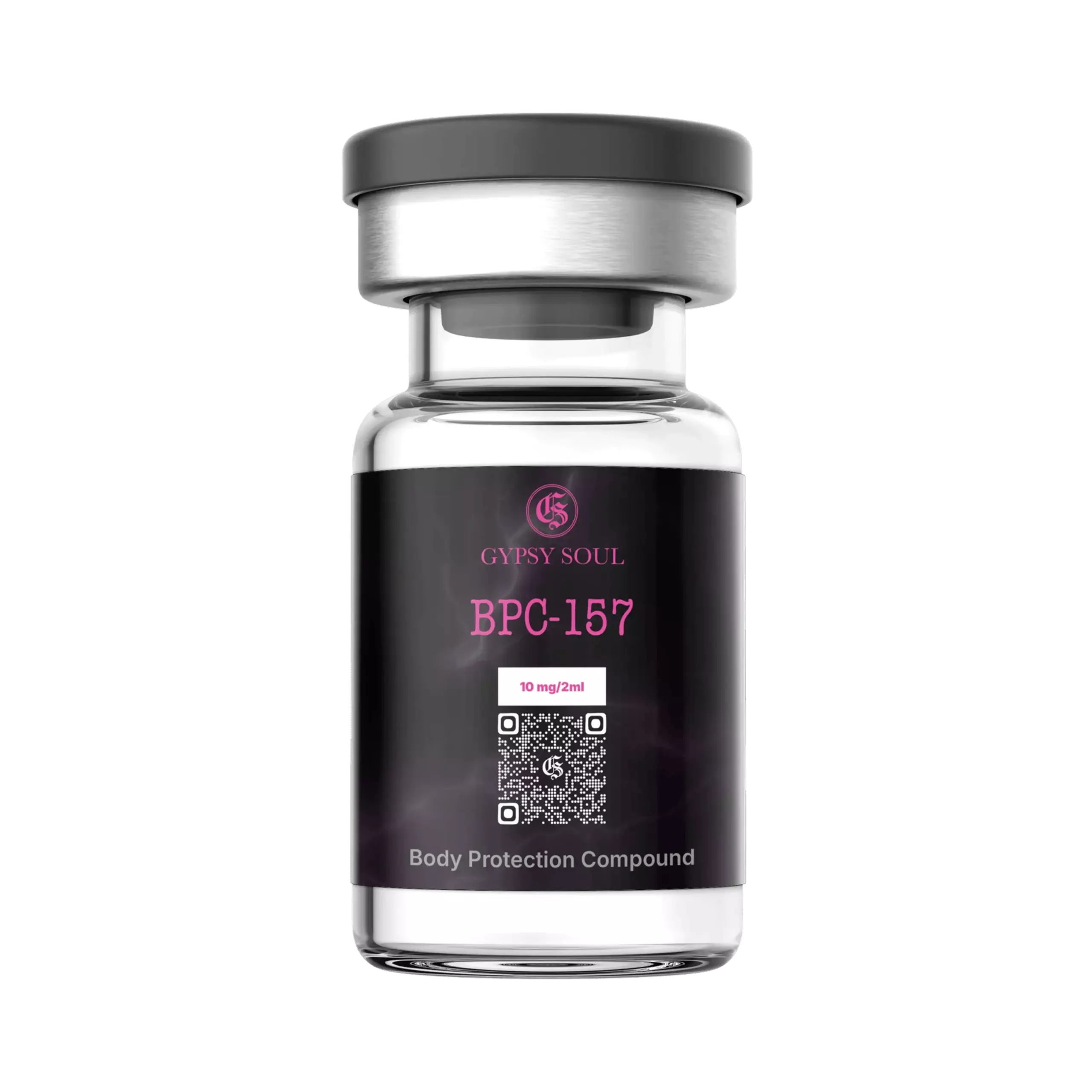
BPC-157 and Recovery: Separating Research From Claims
BPC-157 has attracted significant attention among people interested in injury recovery, exercise, and regenerative health.
It is a synthetic peptide that has been studied mainly in laboratory and animal models, where researchers have investigated its potential effects on tissue repair, inflammation, and blood flow. However, online discussions often go beyond what the available evidence can actually demonstrate.
Understanding the difference between promising research and proven medical benefits is important before drawing conclusions about BPC-157 and recovery
What Is BPC-157
BPC-157, short for Body Protection Compound-157, is a synthetic peptide consisting of 15 amino acids. Researchers have investigated its biological activity in areas such as tissue repair, inflammation, gastrointestinal health, and blood-vessel formation.
Much of this research has involved animals or laboratory models rather than large, controlled human clinical trials. A 2025 systematic review found 36 relevant studies, but 35 were preclinical and only one was a clinical study related to musculoskeletal outcomes.
This distinction matters because results seen in animals do not automatically translate into the same effects in humans.
A compound may appear promising in experimental models but still require years of research before its effectiveness, appropriate dosing, interactions, and long-term safety are understood.
For BPC-157, the available evidence remains limited, particularly for commonly discussed uses such as muscle, tendon, and ligament recovery.
What Does the Research Say About Recovery?
Preclinical research has produced several findings that explain why BPC-157 has attracted interest. Studies in animals have reported improvements in certain measures involving muscles, tendons, ligaments, and bones after injury.
Researchers have also investigated possible effects on inflammatory signaling, blood-vessel development, and cellular processes associated with tissue repair. These findings provide scientific reasons for further investigation, but they do not establish BPC-157 as an effective recovery treatment for people.
Human evidence is much smaller. One retrospective study involving people with chronic knee pain reported that 7 of 12 patients experienced relief lasting more than six months after an intra-articular BPC-157 injection.
Because the study was small and lacked the design of a large randomized controlled trial, its results cannot establish that BPC-157 caused the improvement. Other human studies have examined different conditions and routes of administration, making it difficult to determine a standard recovery benefit.
Separating Research From Common Claims
Many claims about BPC-157 are based on laboratory findings, personal experiences, or promotional material rather than strong clinical evidence.
Statements that a peptide “rapidly heals injuries,” “repairs tendons,” or guarantees faster recovery can therefore create an inaccurate impression of what researchers currently know.
A useful way to evaluate BPC-157 claims is to ask:
- Was the evidence obtained from humans or animals?
- Was the study randomized and controlled?
- How many people participated?
- Was the product and dose standardized?
- Were the results independently reproduced?
- Were long-term safety outcomes evaluated?
- Was the study published in a peer-reviewed medical journal?
These questions help distinguish an interesting research finding from a clinically established treatment. At present, the evidence for BPC-157 remains considerably stronger in preclinical research than in human clinical research.
Read: BC9 vs Peptide Pros: Which Peptide Supplier Stands Out
What Is Known About Human Safety?
Safety is another area where caution is necessary. The U.S. Food and Drug Administration has reported that the clinical literature contains only a small number of BPC-157 studies.
The studies involved small groups, short observation periods, and limited safety monitoring. The FDA also noted that there was not enough information to determine whether compounded BPC-157 would cause harm when administered through proposed routes.
A 2025 pilot study examined intravenous BPC-157 in just two healthy adults. The participants received infusions on two consecutive days and reported no side effects, while the measured biomarkers did not show concerning changes during the short observation period.
However, two participants cannot establish long-term safety for the wider population. The researchers themselves noted that additional studies are needed to confirm intravenous safety.
Why Product Quality Also Matters
Even when researchers are studying the same peptide, the product used outside controlled research settings may not have identical quality or purity. The FDA has identified concerns involving immunogenicity and the characterization of BPC-157 substances used in compounding.
These concerns are particularly relevant when products are obtained from sources that do not provide the manufacturing controls expected for approved medicines.
This creates another important distinction between scientific research and consumer products.
A laboratory result does not confirm that every commercially available BPC-157 product contains the same concentration, purity, or formulation.
Contamination, impurities, inaccurate labeling, or inconsistent manufacturing can introduce additional uncertainties that are separate from the peptide's biological effects.
Is BPC-157 Approved for Recovery?
BPC-157 does not have an approved formulation for treating injuries or promoting recovery through the U.S. FDA.
A 2026 review of its pharmaceutical development reported that there is still no approved formulation, validated dosing regimen, or completed Phase II clinical trial. The authors highlighted major gaps in formulation, pharmacokinetics, and clinical development.
The regulatory status should not be interpreted as proof that BPC-157 has no biological activity. Instead, it reflects the difference between promising experimental research and the level of evidence required to establish a treatment's effectiveness and safety.
Further well-designed human trials would be needed to determine whether the benefits suggested by preclinical research translate into reliable clinical outcomes.
What Should People Take From the Evidence?
The current research supports continued scientific interest in BPC-157, but it does not support treating online claims as established medical facts.
Animal studies provide useful clues about possible mechanisms and effects, while the limited human research provides an early foundation for further investigation.
The major unanswered questions include effective dosing, appropriate administration methods, long-term safety, and whether BPC-157 meaningfully improves recovery compared with established treatments.
Athletes should also be aware that BPC-157 is prohibited under the World Anti-Doping Agency's prohibited list. The 2026 list includes BPC-157 under the category of non-approved substances prohibited at all times.
The Bottom Line on BPC-157 and Recovery
BPC-157 is an interesting experimental peptide with encouraging findings in preclinical research, but the human evidence remains limited. Research should therefore be separated from claims that describe the peptide as a proven recovery solution.
Until larger, well-controlled human studies establish its effectiveness and safety, BPC-157 should be viewed as an investigational substance rather than an established treatment for injuries or recovery.