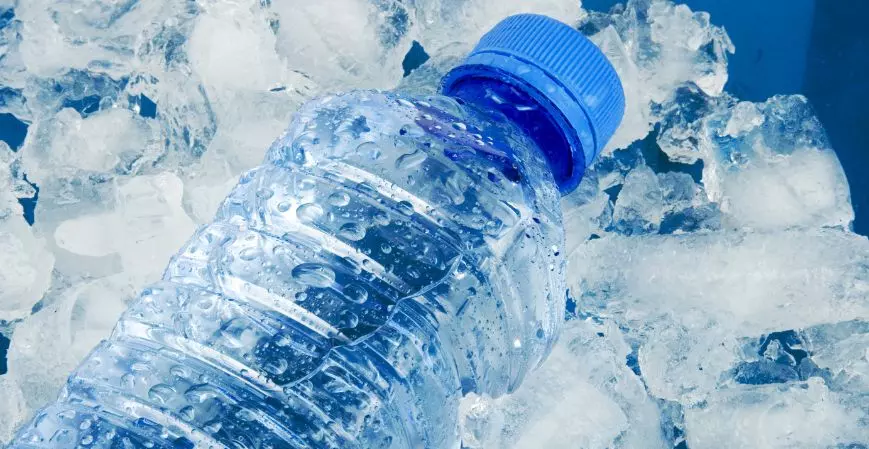
Bottled Water in the GCC: A Lifeline in Hot, Arid Climates
In the Gulf Cooperation Council (GCC) region—comprising Saudi Arabia, the United Arab Emirates, Qatar, Kuwait, Oman, and Bahrain—bottled water is a fundamental part of daily life. With scorching temperatures, limited natural freshwater sources, and urban lifestyles, bottled water isn’t just a convenience—it’s a necessity.
Limited Natural Water Resources
The Gulf Cooperation Council countries are located in some of the most arid regions in the world, where natural freshwater is extremely scarce. With minimal rainfall and limited groundwater reserves, these nations depend heavily on desalination to meet their water needs.
This process, which converts seawater into drinkable water, is effective but often produces water with a flat taste and low mineral content. As a result, many people in the region prefer bottled water for its better taste and perceived higher quality.
The Role of Bottled Water
Health guidelines from the World Health Organization (WHO) recommend that adults in hot climates consume at least 2.5 to 3 liters of water each day. In cities like Dubai and Doha, where summer temperatures regularly soar to 45°C (113°F), staying hydrated isn’t just important—it’s critical.
Bottled water is widely accessible and trusted for its purity. Many people in the GCC use bottled water not just for hydration, but also for cooking, tea, and coffee preparation.
Types of Bottled Water Available
Across the region, consumers have access to a wide variety of bottled water options:
- Mineral Water – Sourced naturally, rich in essential minerals.
- Purified Water – Cleaned through advanced filtration techniques like reverse osmosis.
- Alkaline Water – Known for its higher pH, often chosen for its perceived health benefits.
- Flavored & Vitamin Waters – Popular with health-conscious individuals seeking an alternative to sugary drinks.
Everyday Use and Cultural Relevance
Bottled water plays an integral role in GCC lifestyles. It’s seen everywhere—from homes and offices to schools, mosques, restaurants, and social events. At workplaces, it's often customary to provide individual bottles during meetings.
In conversations about hydration trends, the term GCC Bottled Water is increasingly being used to describe the region’s unique dependency on packaged water and its impact on consumer culture.
Top bottled water brands in the region include Masafi, Mai Dubai, Al Ain, Aquafina, and Nestlé Pure Life.
Storage and Consumption Habits
Proper storage of bottled water is crucial, especially in extreme heat. As noted by Healthline, high temperatures and direct sunlight can degrade plastic bottles and compromise water quality. That’s why it's common for people in the region to store large 5-gallon bottles indoors or in shaded garages, and to avoid leaving smaller bottles in cars.
To keep water cool and refreshing, many households in the region use water dispensers or refrigerators—especially during the intense summer months, when cold water becomes almost essential for daily comfort.
Environmental Awareness and Sustainability
With high consumption comes an environmental challenge. As explained by the Environment Agency – Abu Dhabi, plastic waste from single-use bottles is a significant issue. In response, cities like Dubai have introduced initiatives such as Dubai Can to promote the use of reusable water bottles and make refill stations more accessible.
Bottled water companies are also taking responsibility. For instance, Mai Dubai now offers bottles made from 100% recycled PET plastic, while Al Ain Water has introduced biodegradable and plant-based alternatives to reduce plastic pollution.
Final Thoughts
In the GCC, bottled water is more than just a product—it’s a cultural and environmental fixture shaped by necessity and tradition. A report notes that the average UAE resident consumes hundreds of liters of bottled water each year.
As the region moves toward more sustainable living practices, awareness around plastic waste is growing. Yet, given the climate and infrastructure, bottled water continues to serve as a critical resource for hydration, convenience, and peace of mind in one of the hottest and driest regions on Earth.