Why Are Enterprises Rethinking Their Integration Strategy?
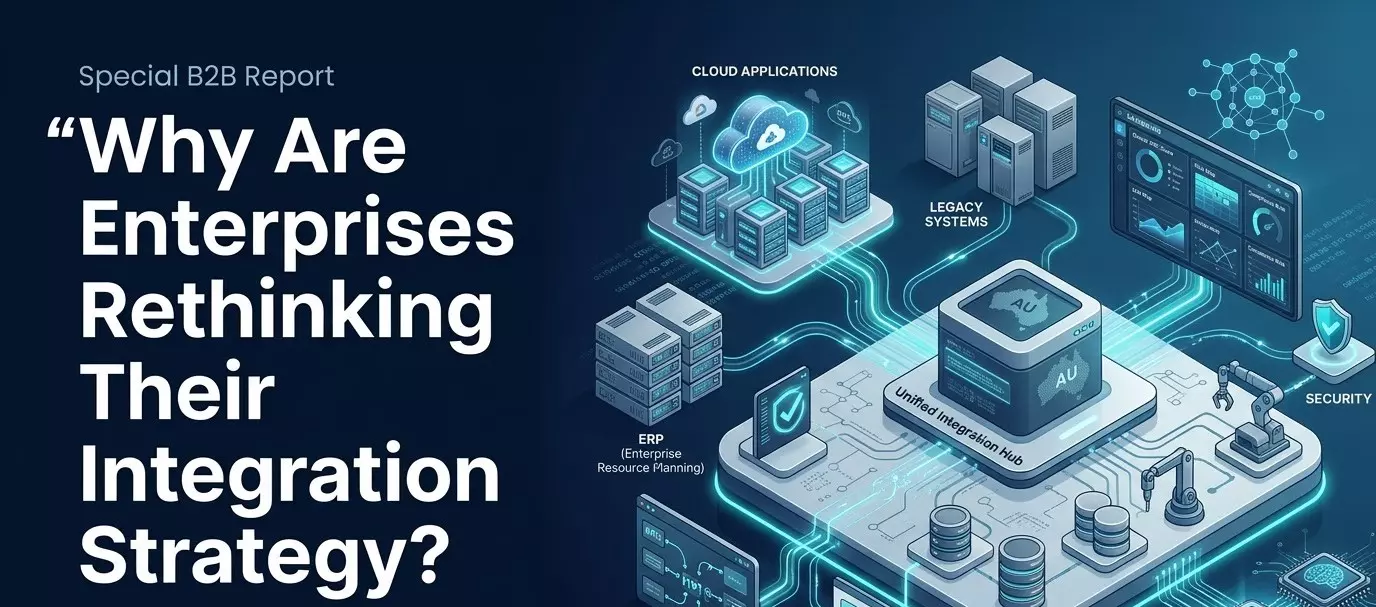
The average enterprise technology environment is rarely simple. Cloud applications sit alongside legacy software, regional systems, databases, partner platforms, and specialised tools.
As more applications are added, the connections between them can become difficult to understand and maintain.
This is one reason Boomi integration has become relevant to organisations looking for a more structured approach to enterprise connectivity.
Instead of creating isolated connections for every business requirement, an integration platform can provide a common environment for connecting applications, data, APIs, and workflows.
Boomi describes its platform around application and data connectivity, automation, APIs, and broader enterprise integration capabilities. Its current developer resources also support programmatic management of integrations, data flows, events, automation, and connectors.
Can an iPaaS approach reduce integration complexity?
An integration platform as a service, or iPaaS, can provide a central framework for managing connections across cloud and on-premises environments.
Boomi's current platform supports connectors that can connect applications and data sources, including scenarios such as Salesforce and NetSuite. Its connector architecture is intended to make it easier to unify systems, data, processes, and people.
TechForce Services' enterprise Boomi integration capabilities cover API management, managed services, EDI and B2B integration, Master Data Hub, workflow automation, AI agents, migration, and enterprise workloads.
This broader approach matters for businesses where integration is no longer limited to moving data between two applications.
How can integration support AI readiness?
AI initiatives depend heavily on access to reliable and relevant information. If customer, operational, financial, and transactional data remains trapped inside separate systems, intelligent applications have less context to work with.
Boomi's current direction increasingly connects integration with AI readiness. Its 2026 integration strategy content focuses on creating an integration foundation that supports growth, AI readiness, and long-term agility.
The same principle applies to data integration. Organisations need to understand where information comes from, how it is transformed, who can access it, and where it needs to go.
What role does legacy modernisation play?
Replacing legacy applications is not always practical. Some systems remain critical because they contain specialised processes or historical data.
Integration can provide another path by connecting those systems to newer cloud applications without immediately replacing everything.
TechForce's Boomi offering specifically addresses legacy modernisation and hybrid environments, including connections between on-premises and cloud systems. It also highlights migration planning designed to reduce disruption.
This can be valuable for enterprises that need to modernise gradually while keeping important operations running.
Read: Application Integration Services: Complete Enterprise Guide
Can workflow automation create more value from integration?
Connectivity becomes more useful when it triggers action. Data moving from one application to another can initiate approvals, update records, notify teams, or start downstream processes.
Boomi's platform includes workflow automation capabilities designed to connect human tasks with automated system actions.
Its API and integration capabilities also support programmatic management and automation across enterprise environments.
Conclusion: What Should Enterprises Expect From Boomi Integration?
Boomi integration can provide a structured foundation for connecting applications, data, workflows, and legacy systems across complex enterprise environments.
The real value comes from designing those connections around business processes rather than treating every integration as an isolated technical task.
As enterprises prepare for greater automation and AI adoption, a well-governed integration architecture can help keep data accessible, workflows connected, and technology investments easier to evolve.