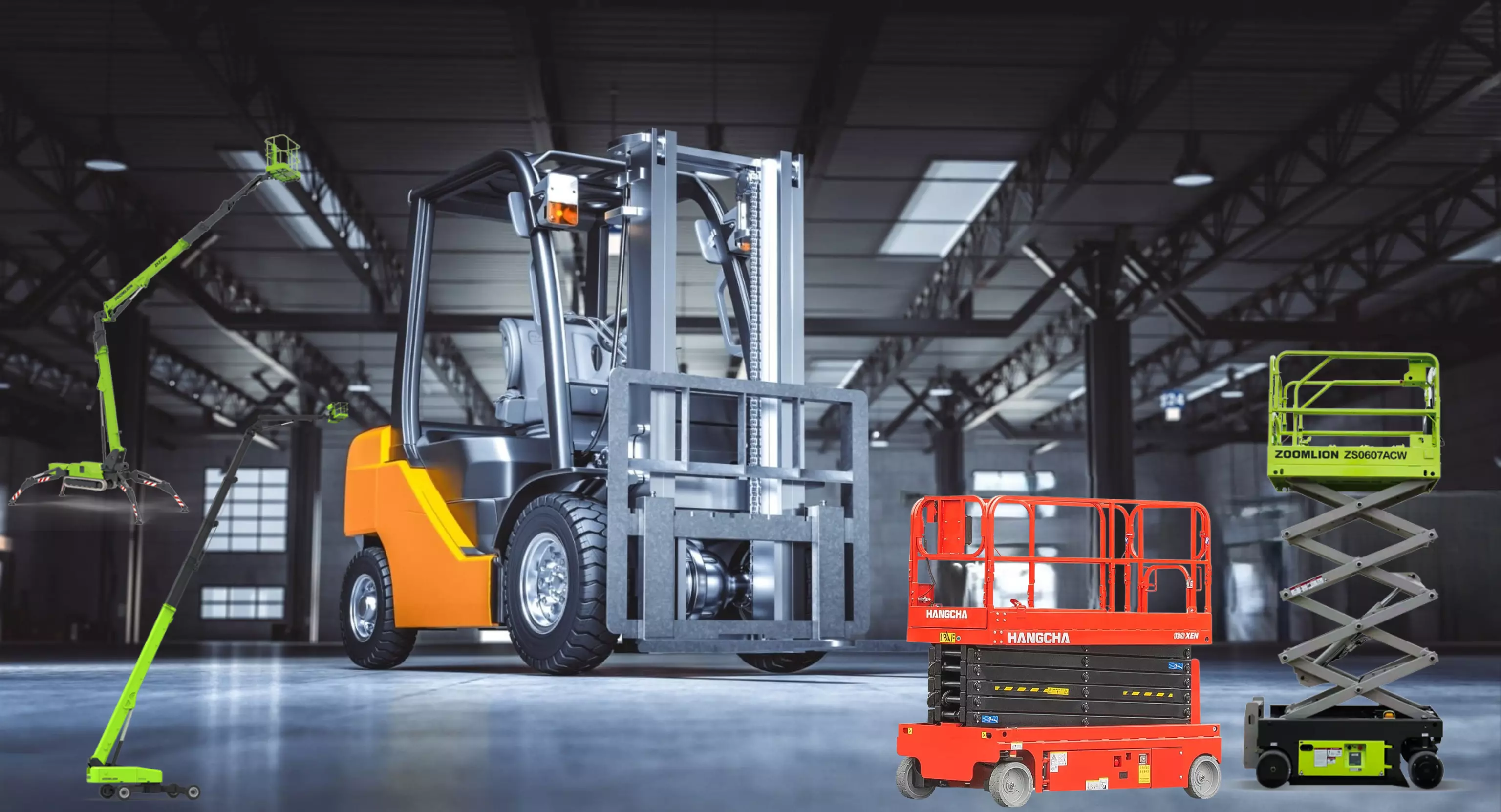
Boom Lifts: Essential Elevated Work Platforms for Modern Construction
In the world of heavy machinery and construction equipment, boom lifts stand as one of the most versatile and indispensable tools for accessing elevated work areas. These powerful machines have revolutionized how workers approach tasks at height, offering unparalleled flexibility and safety across countless industries.
Read: HRMS Software in India: The Future of Smart Workforce
What is a Boom Lift?
A boom lift is a type of elevated work platform (EWP) that uses a hydraulic arm, or boom, to elevate workers and equipment to significant heights. Unlike their counterparts, boom lifts offer both vertical and horizontal reach, making them ideal for accessing hard-to-reach areas over obstacles or around structures. This distinguishing feature sets them apart from other EWP access equipment and makes them invaluable on construction sites, warehouses, and maintenance operations.
The construction equipment industry recognizes two primary types of boom lifts: articulating boom lifts, which feature multiple joints for maneuvering around obstacles, and telescopic boom lifts, which extend straight outward and upward for maximum reach. Both configurations can reach heights ranging from 30 feet to over 180 feet, depending on the model.
Boom Lifts vs. Other Access Equipment
Understanding the differences between various types of heavy machinery designed for elevated access is crucial for selecting the right tool for your project. While boom lifts excel in reach and flexibility, other construction equipment serves different purposes.
Scissor lifts, for instance, provide a stable vertical lifting platform that moves straight up and down. They're perfect for indoor work where you need to elevate multiple workers or materials over a larger platform area. However, they lack the horizontal reach that boom lifts provide, making them less suitable for working around obstacles or over machinery.
Telehandlers, another category of versatile heavy machinery, offer lifting capabilities through their extending boom and forklift-like design. While they excel at material handling and can reach significant heights, they're primarily designed for moving loads rather than providing a stable work platform for personnel. Many modern construction sites utilize both telehandlers and boom lifts as complementary pieces of construction equipment.
Applications Across Industries
The versatility of boom lifts as EWP access equipment makes them essential across numerous sectors. Construction professionals rely on these machines for tasks ranging from exterior building maintenance and window installation to structural steel work and roofing projects. The ability to position workers precisely at height, even over obstacles, makes boom lifts superior to traditional scaffolding in many scenarios.
In warehousing and logistics, boom lifts provide safe access to high shelving and overhead systems. Maintenance teams in manufacturing facilities use this heavy machinery to service equipment, lighting, and HVAC systems. Even the entertainment industry depends on boom lifts for stage setup, lighting installation, and outdoor event production.
Safety and Operational Considerations
Operating any elevated work platform requires proper training and adherence to safety protocols. Boom lifts, like all heavy machinery, demand respect and understanding. Operators must be certified and familiar with load capacities, stability requirements, and environmental factors that can affect safe operation.
Modern boom lifts incorporate numerous safety features including automatic leveling systems, tilt sensors, emergency lowering mechanisms, and harness attachment points. When working alongside other construction equipment like telehandlers or scissor lifts, proper site coordination becomes essential to prevent accidents and ensure efficient workflow.
Choosing the Right Equipment
Selecting appropriate EWP access equipment depends on several factors: maximum working height needed, horizontal reach requirements, terrain conditions, indoor versus outdoor use, and load capacity demands. While scissor lifts might suffice for straightforward vertical access in controlled environments, boom lifts offer the flexibility needed for complex projects.
Many construction companies maintain a fleet of diverse heavy machinery, including various boom lift configurations, telehandlers, and scissor lifts, allowing them to match specific equipment to each project's unique requirements. Rental options also provide access to specialized construction equipment without the capital investment of ownership.
Read: Top 10 School ERP Platforms in India (2025 Edition)
Conclusion
As construction projects grow more complex and safety standards continue to evolve, boom lifts remain at the forefront of elevated work solutions. Their unique combination of reach, maneuverability, and safety features makes them irreplaceable among heavy machinery options.
Whether working alongside telehandlers and scissor lifts or serving as the primary EWP access equipment on a job site, boom lifts continue proving their worth as essential construction equipment in the modern industrial landscape.