Book Cover Design: The Complete Guide for Authors (2026)
You've spent months, maybe years, writing your book. Every chapter's got a piece of you in it. But here's the thing first time authors underestimate a lot.
Readers judge your book before they read a single word of it. That judgement happens in about three seconds. And it happens because of your cover. Yeah, that's it. Three seconds.
This guide walks you through everything about getting your cover right in 2026. Whether you're hiring help or trying to figure it out on your own.
Why Your Cover Matters More Than You Think
Think about the last time you scrolled through an online bookshop. You didn't read blurbs for every title, did you? You looked at covers first. Only stopped when something caught your eye. That's exactly how your future readers behave too.
A strong book cover design does three things at once, more or less. It signals genre, so a thriller reader instantly knows they're looking at a thriller.
It sets tone and mood, hinting whether the story inside is dark, funny, romantic, intense, whatever it is. And it builds trust. A polished, professional looking cover tells readers this author took their work seriously.
Self published authors often lose sales not because their writing's weak, but because their cover looks amateur next to traditionally published books sitting right beside it, on the shelf or on the webpage.
Should You Design It Yourself or Hire Help?
There's no single right answer here. Depends on your budget, your timeline, and honestly, your design skills too.
If you're comfortable with tools like Canva or Photoshop and have a good eye for typography and composition, you can put something decent together yourself. Plenty of authors do. But there's a real difference between "decent" and the kind of cover that makes a stranger stop scrolling.
That's usually where a book cover designer earns their fee, to be honest. Someone who does this for a living understands genre conventions, current trends, print bleed requirements, and how a cover needs to look different as a thumbnail versus a full size print jacket. Surprisingly technical skill, hiding behind what looks like a simple image.
What to Look For When Hiring
If you decide to bring in outside help, you'll usually come across a few different options.
Some authors go with an individual freelancer. A book cover designer working solo, often specialising in one or two genres. Others prefer working with a full book cover design agency, or a book cover design company, where you get access to a small team, multiple concept drafts, and sometimes faster turnaround because more than one person's working on your project.
Then there are book cover design experts who focus specifically on high end, award style covers. Usually for authors chasing traditional publishing deals, or entering design competitions. Their book cover design services tend to sit at a higher price point. But the polish usually shows.
If you're based in the United States and want someone familiar with the American self publishing market, specifically Amazon KDP trim sizes, IngramSpark specs, and US reader preferences, searching for book cover design USA specialists can save you a lot of back and forth later.
Whichever route you take, always ask to see a portfolio. Check turnaround time. Confirm how many revision rounds are included. And clarify exactly what file formats you'll receive at the end.
Red Flags to Watch Out For
Not every service labelled as a book cover design service is worth your money. A few warning signs worth mentioning here.
Be cautious of anyone bundling a cover with an expensive "full publishing package" promising guaranteed bestseller status. Legitimate designers sell design work, not promises about sales numbers they can't control.
Also watch out for extremely low prices paired with stock templates barely edited to fit your title. These rarely stand out in a crowded marketplace, don't get me wrong.
On that note, worth pointing out that MacLean's Publisher has been vocal about standing against vanity publishing practices, where authors get pressured into paying inflated fees for bundled services of questionable value, cover design included.
Good reminder for any author, really. Understand exactly what you're paying for. Never feel rushed into a package deal that sounds too good to be true.
Read: How to Write and Publish a Successful eBook
What Makes a Cover Actually Work
Whether you hire a designer or attempt it yourself, a few fundamentals hold true across every genre.
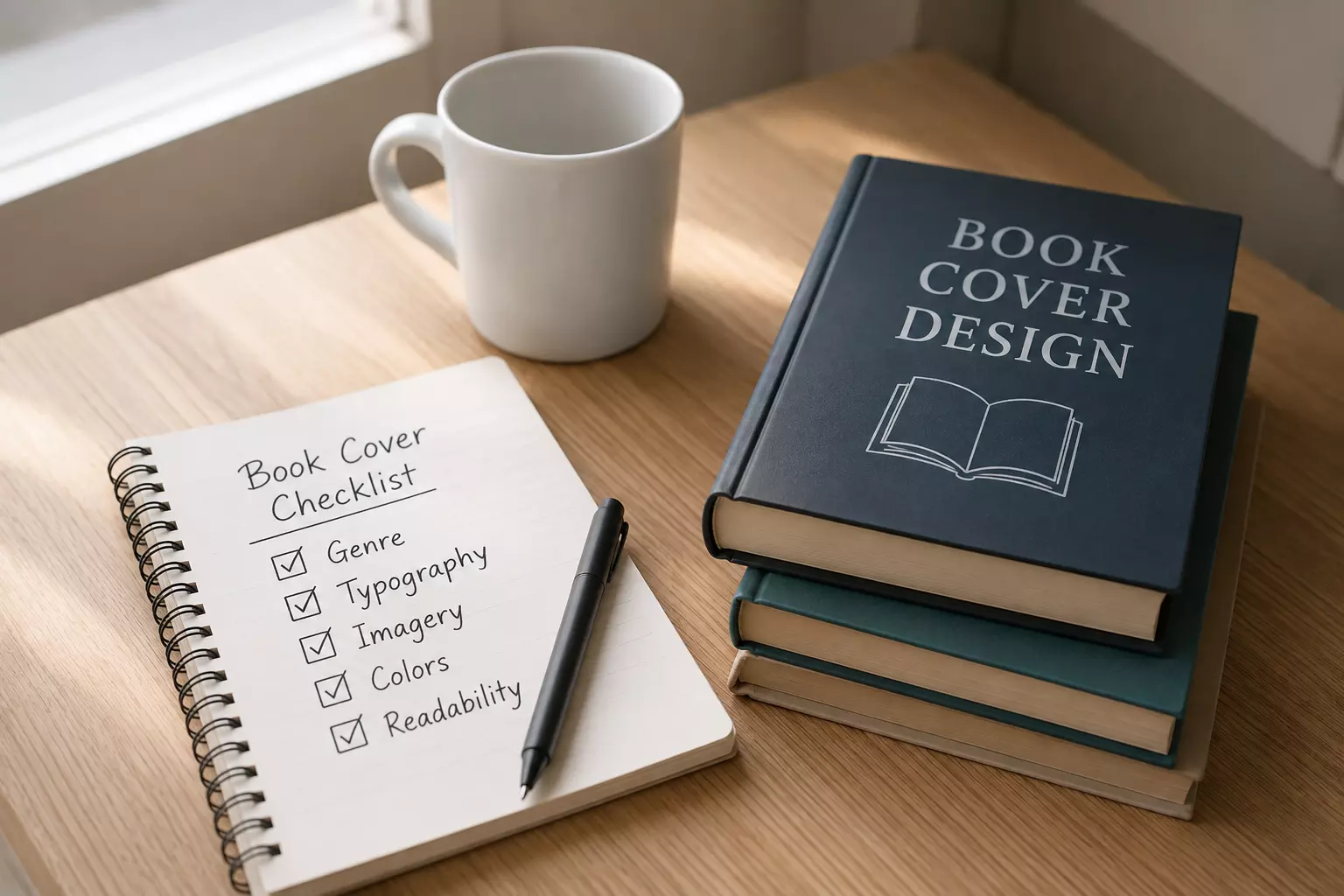
Typography needs to be readable at thumbnail size, since most buyers will see your cover as a tiny image on a phone screen before anything else.
Colour choices should match genre expectations. Dark and moody for thrillers, bright and warm for romance, clean and minimal for literary fiction. Imagery should feel intentional rather than random.
Supporting your story's tone instead of just looking "nice." And your title and author name need enough contrast against the background to actually be legible.
Experienced book cover designers balance all of this instinctively. Part of why hiring one often pays for itself in better sales performance.
Working With a Team vs a Solo Designer
There's genuine value in going with book cover designers who work as part of a bigger studio setup.
You often get more concept variety upfront, since different designers on the team may pitch different visual directions. Feedback loops can move faster too, larger studios usually have dedicated project coordinators keeping things on schedule.
That said, plenty of authors form long term relationships with a single freelance designer who comes to understand their voice and series style over multiple books. Both paths work, honestly. Comes down to whether you value variety and speed, or consistency and a closer working relationship.
Final Thoughts
Your book deserves a cover that matches the effort you put into writing it. Take time researching your options. Compare a few book cover design services before committing. And don't be afraid to ask direct questions about pricing, timelines, and what you'll actually own once the project's done.
A great cover won't fix a weak story. But a weak cover can absolutely stop a great story from ever being discovered. Invest the time here. It's worth it.